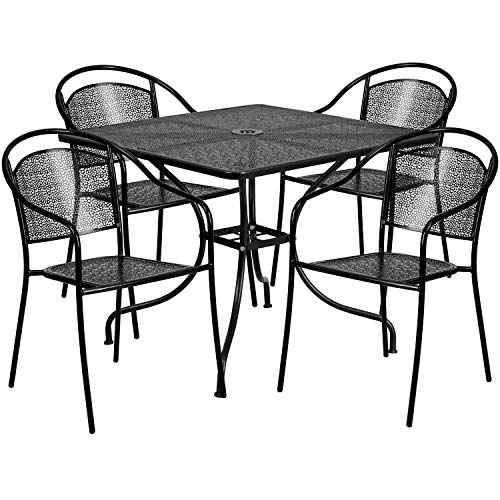
Metal Outdoor Table and Chairs: Complete Buying Guide
Everything you need to know before choosing a metal patio dining set — materials, durability, comfort features, size planning, and style matching for a backyard that works as good as it looks.
Start Your ResearchWhy this guide matters: A metal outdoor table and chairs set is a long-term investment in how you use your backyard. Unlike cushions or decor, the dining set is the anchor of outdoor living — where meals happen, where guests gather, and where family time unfolds. This guide walks you through the decisions that actually matter, so you can buy with confidence rather than guesswork.
Why Metal Outdoor Table and Chairs Are a Smart Choice
Metal outdoor dining sets have earned their place as one of the most practical patio furniture categories for good reason. A well-built metal outdoor table paired with matching chairs delivers a combination of structural stability, weather resistance, and design versatility that few other materials can match.
Here is what makes metal sets stand out:
- Weather resilience: Powder-coated steel and aluminum resist rain, humidity, and UV exposure far better than untreated wood or resin.
- Structural rigidity: Metal frames handle heat from the sun and weight from daily use without warping, sagging, or cracking.
- Low maintenance: No annual sealing, staining, or oiling required — a quick wipe-down handles most cleaning.
- Design flexibility: Metal can be shaped into modern clean lines, classic scrollwork, industrial silhouettes, or wood-look finishes.
- Pest resistance: Termites and wood-boring insects have no interest in metal, making it a smart choice in humid climates.
If you are still exploring the broader category, the metal patio furniture overview covers sofas, loungers, and storage pieces that pair with dining sets. For a focused look at dining configurations that include shade, the metal outdoor table and chairs with umbrella guide explains how to coordinate table, chairs, and canopy as one system.
Metal Types Compared: Steel, Aluminum, and Cast Iron
Not all metal is created equal. The base material determines weight, rust behavior, maintenance needs, and how the set feels when you sit down. Here is how the three most common options compare:
| Metal Type | Best For | Durability | Maintenance | Weight |
|---|---|---|---|---|
| Powder-Coated Steel | Everyday family use, windy patios | High — heavy-duty and stable | Low — wipe clean, touch up chips | Heavy (stays put) |
| Aluminum | Balconies, apartments, movable setups | High — naturally rust-resistant | Very low — rinse and dry | Lightweight (easy to rearrange) |
| Cast Iron | Traditional style, permanent placements | Very high — commercial-grade feel | Moderate — needs rust-proof finish upkeep | Very heavy (difficult to move) |
| Wrought Iron | Decorative, classic garden settings | High — solid build when coated | Moderate — inspect for rust annually | Heavy |
Aluminum is the most popular choice for homeowners who want a set they can move without strain. It will not rust, which makes it ideal for coastal areas and humid climates. The trade-off is that lighter sets can shift in strong wind, so look for chairs with weighted feet or a table with a heavier base.
Powder-coated steel is the workhorse of the category. It is heavier, which gives it a planted feel, and the powder coating provides a durable barrier against moisture and scratches. If you live in an area with gusty afternoons, steel sets are the safer bet for staying in place.
Cast iron and wrought iron deliver a heritage look that pairs beautifully with cottage and traditional gardens. They are the heaviest option and require periodic inspection for finish wear, but a well-maintained iron set can last for decades. For a deeper comparison of frame construction and finishes, see the full metal furniture material guide.
Key Factors When Choosing a Metal Dining Set
Beyond material, several practical factors determine whether a set will work in your specific space and for your specific lifestyle. Work through these before you start comparing specific models.
Seating Capacity
Count your regular household plus two guest seats. A four-person set handles most families; six-person sets suit frequent entertainers. Avoid oversized sets for a patio that will feel cramped.
Table Shape
Round tables encourage conversation and fit tight corners. Rectangular tables maximize surface area and suit long patios. Square tables are a good compromise for small courtyards.
Umbrella Compatibility
If your patio gets direct midday sun, choose a table with a pre-drilled umbrella hole and a stable base. The metal outdoor dining table with umbrella hole guide explains hole sizing and base options.
Chair Comfort
Metal seats can feel hard without cushioning. Look for chairs with contoured seats, or plan to add outdoor cushions. The metal chairs with cushions guide covers fit and fabric choices.
Stackability & Storage
If you winterize your patio or need floor space between uses, stackable chairs are a major convenience. Check whether the table has folding legs or a removable top.
Finish & Color
Powder-coated finishes come in matte black, bronze, sage, ivory, and wood-look tones. Match the finish to your home exterior and hardscape for a cohesive look.
Measure Before You Commit
The most common mistake buyers make is underestimating how much floor space a dining set needs. As a working rule, allow about 24 to 30 inches of clearance between the table edge and any wall, railing, or planter so chairs can pull out comfortably. For a four-person rectangular set, that usually means a footprint of at least 8 by 8 feet. If your space is tighter, prioritize a round or square table with stackable chairs.
Also measure your doorways and gate width if the set will be delivered assembled. Some large tables ship in one piece and will not fit through a standard side gate.
Style Directions for Metal Table and Chair Sets
Metal is a chameleon material. The same frame construction can read as sleek and contemporary or warm and traditional depending on detailing. Here are the main style lanes to consider:
Modern and Minimalist
Clean lines, thin tubular frames, and matte finishes define this look. A modern outdoor dining table with umbrella hole pairs well with sling or mesh chairs. This direction suits contemporary homes and smaller patios because visual bulk is kept low.
Industrial and Urban
Visible hardware, mixed metal-and-wood surfaces, and darker finishes give an industrial edge. These sets look at home on loft terraces and urban courtyards. For a cohesive outdoor room, pair with the modern patio design guide.
Traditional and Garden Classic
Scrollwork, lattice backs, and cast detailing bring a timeless garden feel. A metal garden table and chairs with cushions set in this style softens the metal's hard edges and invites long, lingering meals.
Wood-Look Metal
If you love the warmth of wood but want metal's durability, wood-grain powder coating delivers the look without the maintenance. The metal outdoor table that looks like wood guide explains how these finishes are applied and how they hold up over time.
Bistro and Cafe Style
Compact round tables with two or four chairs are perfect for balconies and breakfast nooks. A metal bistro table delivers cafe charm without demanding a full dining footprint.
Pairing Tables and Chairs Correctly
Tables and chairs are often sold as sets, but you can also mix and match to fit your space and comfort preferences. Here is what to keep in mind:
- Seat height matters: Standard dining chairs sit around 17 to 19 inches from floor to seat. Make sure your table's apron height leaves enough legroom — aim for at least 12 inches of clearance between seat and table underside.
- Chair width vs. table length: Allow roughly 24 inches of table edge per chair. A 60-inch rectangular table comfortably seats four to six; a 72-inch table seats six comfortably.
- Weight balance: Pair lightweight aluminum chairs with a heavier steel table for stability, or keep a matched set if wind is a concern.
- Finish consistency: If mixing brands, stick to the same finish family (all matte black, all bronze) so the set reads as intentional rather than mismatched.
If you prefer to buy chairs separately, the metal outdoor dining chairs with cushions guide covers armchair vs. side chair options and cushion fit. For armchair comfort in a lounging context, the metal patio chairs overview is a useful cross-reference.
Care and Longevity: Keeping Metal Looking New
Metal sets are low maintenance, but a little routine care dramatically extends their service life:
- Rinse and dry: Wipe down with a damp cloth after dusty spells. Dry thoroughly to prevent water spotting on powder-coated surfaces.
- Inspect for chips: Touch up any chips in the powder coating promptly with a matching touch-up pen — exposed metal is where rust starts.
- Seasonal deep clean: Use mild soap and water; avoid abrasive pads that dull the finish. For stubborn spots, a soft brush works better than scrubbing.
- Cover or store: If you live in a region with harsh winters, cover the set or store it in a shed. The patio furniture covers guide explains breathable vs. waterproof cover choices.
- Check fasteners: Tighten bolts and screws at the start of each season — vibration from wind and use can loosen hardware over time.
For a complete seasonal maintenance routine, see the weatherproofing guide. If rust spots do appear, the rust removal tips article walks through safe removal and re-sealing.
Understanding Quality Tiers
Metal dining sets fall into recognizable quality tiers. Rather than thinking in numbers, use these descriptors to calibrate what you are getting at each level:
| Tier | Typical Characteristics | Best For |
|---|---|---|
| Entry-Level | Thinner tubing, basic powder coat, sling or stamped seats, lighter frames | Occasional use, renters, balconies, first patio setup |
| Mid-Range | Thicker gauge steel or aluminum, better powder coat, contoured seats, reinforced joints | Everyday family use, regular entertaining, long-term ownership |
| Premium | High-grade aluminum or steel, multi-step finish, ergonomic chair design, welded construction | Daily use, harsh climates, design-conscious patios |
| Luxury / Commercial-Grade | Cast aluminum or wrought iron detailing, commercial warranty, exceptional finish durability | High-traffic households, hospitality settings, heritage-style gardens |
A mid-range set typically offers the sweet spot for most homeowners: noticeably more solid than entry-level, with finishes and joints built to handle years of sun and rain. Premium and luxury tiers make sense when the set will be used daily or when the patio is a design focal point.
Frequently Asked Questions
Will a metal outdoor table and chairs set rust?
Powder-coated steel and aluminum sets are designed to resist rust, but no metal is completely immune if the coating is compromised. Aluminum is naturally rust-resistant; steel relies on its powder coat as a barrier. Promptly touch up chips and keep the set dry between uses, and rust should not be a concern. Cast iron and wrought iron need more attentive finish maintenance.
Is metal furniture too hot to sit on in summer?
Direct sun can heat metal surfaces, especially darker finishes. Two simple solutions: choose a lighter finish color (ivory, sand, light gray) which absorbs less heat, or add seat cushions. Many modern sets are designed with sling or mesh seats that stay cooler than solid metal. An umbrella also keeps the seating area shaded.
How many chairs fit at a round versus rectangular table?
A 48-inch round table comfortably seats four; a 60-inch round seats six. For rectangular tables, allow about 24 inches of edge per chair: a 60-inch table seats four to six, a 72-inch seats six, and an 84-inch seats eight. Always account for pull-out space behind the chairs.
Can I leave a metal set outside year-round?
In mild climates, yes — powder-coated metal is built for outdoor exposure. In regions with heavy snow, ice, or salt air, cover the set or store it during the off-season. Cushions should always be brought inside or stored in a waterproof deck box. The table and chairs themselves will handle normal rain and sun without issue.
What is the difference between cast aluminum and tubular aluminum?
Cast aluminum is poured into molds, allowing intricate decorative detailing and a heavier, solid feel. Tubular aluminum is formed from hollow tubes, making it lighter and more modern in appearance. Cast aluminum is typical of traditional and premium sets; tubular aluminum dominates contemporary and mid-range designs.
Do I need cushions with a metal dining set?
Not strictly — many metal chairs have contoured or sling seats that are comfortable on their own. However, cushions add comfort for long meals and soften the look of the set. If you choose cushions, look for quick-dry foam and solution-dyed acrylic fabric so they can handle rain and sun.
Ready to Compare Metal Dining Sets?
Browse hand-picked metal outdoor table and chair sets below. Each listing includes current availability and detailed product information to help you narrow down your choice.
See Recommended Sets