Metal Patio Chairs Guide for Lasting Outdoor Comfort
Compare frame types, finishes, and comfort features to choose metal patio chairs built to last.
START READINGWhy metal patio chairs are a smart foundation: Metal is the workhorse of outdoor seating — it resists weather, holds its shape under daily use, and fits nearly every design style. But not all metal chairs are equal. The frame alloy, the finish, and the way joints are built determine whether a chair looks the same after five summers or starts to show its age after two. This guide helps you tell the difference before you buy.
What Sets Metal Patio Chairs Apart
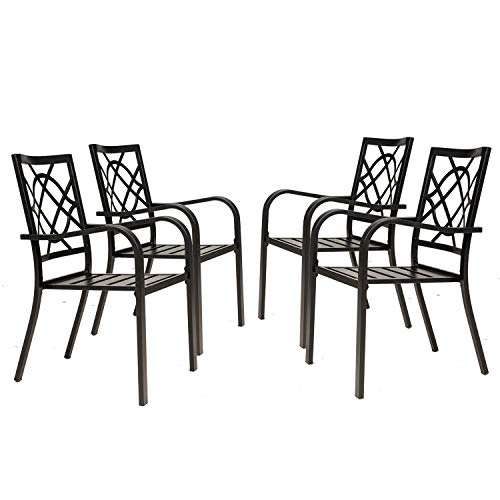
Metal patio chairs are outdoor seating pieces built with a metal frame — typically aluminum, steel, or wrought iron — often paired with mesh, sling, or cushion seating surfaces. They are popular because the material offers a rare combination: structural rigidity, slim profiles, and real weather tolerance when properly finished.
Compared to wood, metal resists rot and insects. Compared to resin, metal holds finer details and usually feels more substantial. The trade-off is that metal needs a quality coating to prevent rust or oxidation over time, and the seating surface needs to be considered separately from the frame.
Within the broader world of metal furniture, patio chairs are one of the most versatile categories. They work as primary dining seating, as accent pieces in a conversation corner, and as standalone reading chairs on a small balcony. If you are building a full set, our metal patio furniture overview covers tables and complementary pieces.
Metal Types and What They Mean for Durability
The metal used in the frame determines how the chair ages, how heavy it feels, and how much maintenance it needs. Most buyers underestimate this point and focus on appearance first — a mistake that shows up a few seasons later.
Aluminum
Aluminum is the most common metal for outdoor patio chairs. It is lightweight, naturally corrosion-resistant, and does not rust the way steel can. Powder-coated aluminum frames are the standard for durable outdoor seating. Because they are easy to move, aluminum chairs suit patios that need flexibility for cleaning or rearranging. The main limitation is that very thin aluminum can flex under heavy users, so frame gauge matters. You can read more in our guide to metal outdoor chairs.
Steel
Steel frames feel more rigid and are common in heavy-duty and commercial-grade pieces. Steel is heavier than aluminum and requires a rust-proof finish such as galvanized or powder-coated treatment. When properly finished, steel chairs last for years; when the coating chips and is ignored, rust develops quickly. Steel is a solid choice for patios where the chairs are rarely moved and weight is not a concern.
Wrought Iron
Wrought iron is traditional, decorative, and heavy. It is favored for ornate designs and for pieces that anchor a patio visually. It can rust if the finish fails, so periodic inspection is more important than with aluminum. For a lighter aesthetic that still uses traditional detailing, our metal outdoor furniture that looks like wood guide is a helpful comparison.
Sling, Mesh, and Cushion Seating
The frame is only half the chair. The seating surface affects comfort and weather tolerance just as much. Mesh and sling fabrics are breathable and dry quickly, which suits poolside and humid environments. Cushioned seats offer the most comfort for long sitting but need removable, quick-dry covers for practical maintenance. If cushions matter to you, our guide to metal chairs with cushions goes deeper.
Quick material guide
Humid or coastal: powder-coated aluminum with mesh or quick-dry cushions. Windy or exposed patios: heavier steel with reinforced joints. Traditional styling: wrought iron with an inspected powder coat. Poolside: aluminum sling chairs for quick drying.
Design Styles and Where They Fit
Metal patio chairs span a wide range of design languages. Matching a style to your patio architecture makes the seating feel intentional rather than accidental.
Modern and Minimalist
Clean lines, thin profiles, and matte finishes define the modern category. These chairs suit contemporary patios and pair easily with sleek tables. If you are coordinating styles, our modern outdoor chairs guide explores options with clean lines and understated silhouettes. A minimalist patio layout is an especially natural fit.
Traditional and Ornate
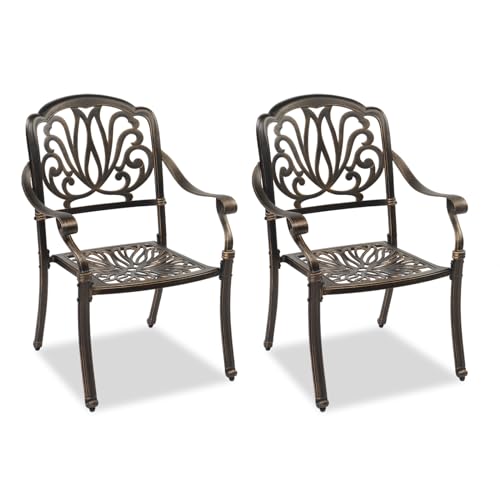
Wrought iron and cast aluminum chairs with scrollwork and detailing suit classic patios, garden settings, and heritage homes. They add visual weight and are often chosen when the chair itself is a design feature. A metal garden bench in the same style can tie the patio to the garden.
Bistro and Café
Compact metal chairs designed for pairing with small tables. Bistro chairs are a strong choice for balconies, small patios, and morning coffee corners. If that layout appeals to you, see our metal bistro table guide and the metal patio table and chairs with umbrella overview.
Rocking and Lounge Styles
Metal rocking chairs bring a relaxed element to a patio without the weight of wood. They suit porches and covered patios especially well. Our metal outdoor rocking chair and metal outdoor rocking chairs with cushions guides cover this sub-category in more depth.
Comfort, Fit, and Ergonomics
Metal frames can look excellent and still be uncomfortable if the seat height, arm height, and seat depth are not aligned with how the chair will be used.
- Seat height: Dining chairs should match the table height for comfortable arm positioning. Standard dining tables suit chairs with a seat height of roughly 17 to 18 inches.
- Armrests: Arms help when getting in and out, especially for older users. If the chair will sit at a table, ensure the armrests slide under the table edge.
- Seat depth: Deeper seats support lounging; shallower seats keep posture upright. Match the chair to whether it is primarily a dining or relaxing seat.
- Cushion choice: Cushions soften the metal frame but shift the seat height slightly. Quick-dry fill matters more than raw thickness.
If comfort without cushions is a priority, our guide to the most comfortable outdoor chairs without cushions compares shaped mesh and contoured sling designs. For reading and long sits, see the most comfortable outdoor chair for reading.
Metal Patio Chair Types at a Glance
Use this comparison to match a metal chair type to your patio, usage pattern, and maintenance habits. Tier labels reflect relative market positioning, not any numeric figure.
| Chair Type | Best For | Tier Positioning | Key Consideration |
|---|---|---|---|
| Powder-coated aluminum chair | Everyday patios, flexible layouts | Entry-level to mid-range | Check frame gauge and weld quality |
| Steel-frame chair | Windy or exposed patios | Mid-range | Confirm rust-proof finish |
| Wrought iron chair | Traditional and decorative patios | Mid-tier to premium | Inspect finish and repaint schedule |
| Sling or mesh chair | Poolside and humid climates | Mid-tier | Fabric tension and UV resistance |
| Cushioned dining chair | Comfort-focused dining sets | Premium | Removable quick-dry covers |
Metal Patio Chair Buying Checklist
These are the checks that separate a long-serving chair from a short-lived one. Run through them before you commit.
- Frame gauge: Thicker metal resists flexing and sagging, especially on chairs for heavier users.
- Weld quality: Clean, consistent welds are a reliable sign of manufacturing care.
- Finish: Powder coating is more durable than paint. Check that edges and joints are fully coated.
- Weight capacity: Confirm the rating comfortably exceeds the heaviest expected user.
- Stackability: Stacking chairs save considerable space if your patio is small or shared between zones.
- Assembly: Some chairs arrive mostly assembled; others need tools. Check before ordering.
- Replacement parts: Glides, caps, and cushion covers should be replaceable — small parts fail before frames do.
If you are coordinating chairs with a full set, the metal outdoor dining chairs with cushions guide covers matching a dining set, while our metal outdoor table guide handles the table side. If you are choosing between materials more broadly, see the longest lasting outdoor furniture material comparison.
Caring for Metal Patio Chairs
Metal chairs are relatively low-maintenance, but a simple routine keeps them looking sharp and prevents the small issues that become replacement decisions.
- Weekly: Wipe frames with a damp cloth and mild soap to remove dust and pollen.
- Monthly: Check welds, glides, and fasteners. Tighten bolts and replace worn glides.
- Seasonally: Wash the full chair and inspect for chips or scratches in the finish. Touch up with matching coating where needed.
- Before winter: Remove cushions, clean the frames, and cover or move chairs to a sheltered location if freezing is a risk.
Small touch-ups prevent rust from spreading. A chip caught in early autumn is a five-minute repair; a rusted joint found in spring often means a new chair. For weather-specific tips, see our weatherproofing guide.
Frequently Asked Questions
Are aluminum or steel patio chairs better?
Aluminum is lighter and naturally corrosion-resistant, making it the more practical everyday choice. Steel feels more rigid and suits windy or exposed patios, but requires a quality rust-proof finish to last.
Do metal patio chairs rust?
Aluminum does not rust the way steel does, but it can oxidize if the finish is damaged. Steel and wrought iron can rust when the coating fails. Routine inspection and touch-ups prevent most issues.
Can metal patio chairs stay outside in winter?
Powder-coated aluminum chairs can typically remain outside with covers, but steel and wrought iron benefit from shelter in freezing climates. Cushions should always be removed and stored indoors during wet or cold months.
Are metal chairs comfortable without cushions?
Well-designed mesh and sling chairs can be comfortable without cushions, especially for shorter sits. For long sessions, a quick-dry cushion makes a meaningful difference.
How do I stop metal chairs from scratching my patio?
Check and replace the glides at the base of each leg as soon as they wear. Rubber or nylon glides protect both the chair and the patio surface.
Final Thoughts
The right metal patio chairs balance three things: a frame material suited to your climate, a design that fits your patio's style, and a comfort level that matches how you actually sit outside. Start with the climate, then narrow by style, then confirm comfort and fit. When those align, metal chairs become a long-term investment rather than a seasonal purchase.
If you are still mapping the wider patio, our lanai patio ideas and metal patio furniture overview can help you plan seating, tables, and shade as one coherent layout.