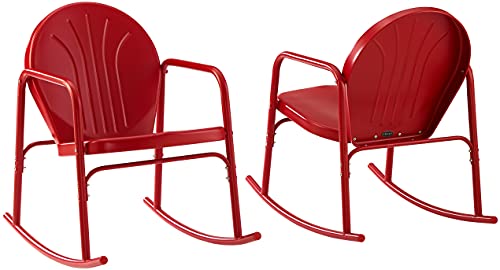
Metal Outdoor Rocking Chair: A Complete Guide
A metal outdoor rocking chair combines the soothing motion of a rocker with the durability of a metal frame. This guide covers frame materials, finishes, comfort features, and placement so you can choose a rocker that lasts season after season.
Why this matters: A rocking chair is one of the most used pieces on a porch or patio. It invites you to sit longer, read a book, and watch the evening settle in. Because it stays outdoors, the frame material matters more than with indoor furniture. Metal rockers are a strong choice for homeowners who want low maintenance, structural strength, and a look that fits both classic and modern outdoor spaces.
Why Choose a Metal Rocking Chair Outdoors
Metal is one of the most practical materials for an outdoor rocker. Unlike wood, it does not warp or crack with seasonal humidity changes. Unlike wicker, it does not unravel after long sun exposure. A well-built metal rocking chair holds its shape, resists pests, and can be cleaned with a hose and a mild detergent.
The motion is the other major advantage. Metal frames are typically stiffer than wood, which produces a smooth, controlled rock rather than a creaky sway. That rigidity is what makes a metal rocker feel stable even for older users and for households with children.
Metal also pairs well with cushions. A contoured metal seat with a removable seat pad and a back cushion delivers comfort without the maintenance of fully upholstered furniture. If you prefer cushions integrated into the design, our metal rocking chairs with cushions guide explores that variation. For a broader overview of the category, the metal outdoor chairs guide is a useful companion read.
Frame Materials: Steel, Aluminum, and Iron
Not all metal frames are equal. The three common options differ in weight, strength, and rust behavior. The table below compares them using a consistent tier system.
| Frame Material | Tier | Durability | Best For |
|---|---|---|---|
| Painted steel | Entry-level | Solid build; touch-ups needed over time | Covered porches, occasional use, starter setups |
| Powder-coated steel | Mid-range | Weather-resistant coating; very good longevity | Open patios, four-season climates, family use |
| Aluminum | Mid-range | Rust-proof finish; lightweight and easy to move | Balconies, decks, households that rearrange often |
| Cast or wrought iron | High-end tier | Heavy-duty; excellent structural longevity | Traditional porches, permanent placement, long-term ownership |
| Stainless or marine-grade metal | High-end tier | Excellent; engineered for wet environments | Coastal homes, poolside patios, high-humidity climates |
Aluminum is the lightest option and the easiest to reposition, which matters if you like to move seating between a covered porch and an open patio. Cast iron and wrought iron are the heaviest and most stable, making them a strong choice for windy areas. Powder-coated steel sits in the middle and is the most common choice for mid-range rockers. For a broader look at metal frames across furniture categories, our metal furniture guide and metal patio furniture overview are helpful references.
Finishes: What Keeps a Metal Rocker Looking New
The finish determines how long the metal resists moisture and UV exposure. A finish that fails leads to rust, and rust is the most common reason metal rockers are replaced prematurely.
Finishes to look for
- Powder coating: a baked-on finish that resists chipping and UV fading better than liquid paint.
- Rust-proof coating: a protective layer applied to all surfaces, including the underside of the frame and the rocker rails.
- Galvanized treatment: a zinc coating that sacrifices itself to protect the underlying steel.
- Textured finishes: hide scratches and small chips better than smooth glossy finishes.
Inspection tip
When a rocker arrives, check the rocker rails and the underside of the seat. These are the areas most often missed during finishing, and they are also the areas most exposed to ground moisture.
A textured powder-coated finish is a strong all-around choice for mid-range metal rockers. It hides minor wear and holds up well in sun and rain. If your patio is near the coast, prioritize marine-grade metal or a clearly labeled rust-proof finish. Our longest-lasting outdoor furniture material guide compares how different metals and coatings perform over time.
Comfort: Seat Shape, Back Angle, and Armrests
A metal rocker can be exceptionally comfortable, but comfort depends on the shape of the seat, not the softness of the material. The best metal rockers use a contoured seat pan and a curved backrest to support the body naturally.
Key comfort features
- Contoured seat pan: a slight dip in the seat keeps you from sliding forward as you rock.
- Curved backrest: supports the lower back and encourages a relaxed posture.
- Armrests at the right height: should support the forearms without lifting the shoulders.
- Rocker rail curvature: a gentler curve produces a smoother, slower motion; a deeper curve produces a more pronounced rock.
- Cushion compatibility: check that the seat is wide enough for a standard seat pad and that the back supports a back cushion.
If you plan to use the rocker for long reading sessions, adding a seat pad and a lumbar cushion makes a significant difference. Our most comfortable outdoor chair for reading guide covers posture and cushion choices in more depth. For a fully cushioned alternative, the metal chairs with cushions overview shows how integrated upholstery changes the experience.
Placement: Where a Metal Rocker Works Best
The rocker needs clearance in front and behind to move. Placement is therefore as important as the chair itself.
Porch and front entry
A covered front porch is the classic home for a metal rocker. The roof protects the frame from direct rain, and the chair becomes part of the home's welcome. Place a small side table between a pair of rockers to create a conversation spot. If you are also furnishing a porch with other seating, the front porch rocking chairs guide is a useful companion.
Covered patio or lanai
A rocker on a covered patio or a lanai patio pairs well with a lounge chair and a small outdoor table. Keep at least 24 inches of clearance behind the rocker so the rails do not hit a wall. Our metal patio chairs guide shows how rockers fit alongside other metal seating.
Garden and lawn
A metal rocker can also anchor a garden seating area. Place it on a level surface such as a stone patio or a firm lawn area. Avoid soft ground where the rails sink. The metal lawn chairs overview and metal garden bench guide cover related garden seating.
Modern and minimalist patios
A metal rocker with clean lines fits a modern patio well. Our modern outdoor rocking chair guide and minimalist patio ideas explore how rockers work in pared-back settings.
Metal Rocking Chairs vs Other Materials
Metal is not the only option, and knowing how it compares helps you make a confident decision.
Metal vs wood
Wood rockers offer warmth and a traditional look, but they require periodic sealing and can warp in humid climates. Metal rockers require less upkeep but feel firmer. A wood-look metal rocker is a middle path; our metal furniture that looks like wood guide explores that style.
Metal vs wicker and rattan
Wicker and rattan rockers are light and visually soft, but natural versions degrade in sun and rain. Synthetic resin wicker lasts longer but can still fade. Metal frames hold their shape best over many seasons. For a related comparison, the natural rattan chair guide and old rattan chair overview are useful references.
Metal vs plastic and resin
Plastic and resin rockers are light and easy to clean, but they can become brittle in cold weather and may fade in strong sun. Metal frames are heavier and more stable in wind. Our recycled plastic outdoor furniture guide covers the strengths of that category.
Care and Maintenance for a Metal Rocker
A metal rocking chair needs less maintenance than wood or fabric, but a short seasonal routine keeps the finish intact for years.
- Rinse the frame with a hose and a mild detergent at the start of each season.
- Dry thoroughly after cleaning, especially around welds and the rocker rails.
- Inspect for scratches and touch up chipped paint or powder coating promptly.
- Tighten hardware such as armrest bolts and cross braces once a year.
- Store or cover the chair during long periods of disuse, especially in coastal or snowy climates.
- Keep cushions indoors when not in use to prevent mildew and fading.
If your patio includes other metal furniture, the same care routine applies across the set. Our metal patio furniture guide and outdoor care hub cover seasonal cleaning and weatherproofing in more detail.
Frequently Asked Questions
Is a metal outdoor rocking chair durable in rain and sun?
A metal outdoor rocking chair with a powder-coated or rust-proof finish is highly durable in wet and sunny conditions. Look for reinforced welds, stainless or coated hardware, and a weather-resistant coating applied to all surfaces, including the underside of the frame.
Are metal rocking chairs comfortable without cushions?
Metal rocking chairs are supportive but firm. Most homeowners add a seat pad and a back cushion for longer sessions. A contoured seat pan and curved backrest improve comfort without cushions, especially on high-end tier models.
How much weight can a metal outdoor rocking chair hold?
Weight capacity varies by design, but heavy-duty metal rockers commonly support 250 to 350 pounds. Always check the manufacturer's stated limit and prefer models with reinforced cross braces and solid weld points for stability.
Does a metal rocking chair rust on a covered porch?
Rust risk is low on a covered porch when the chair has a rust-proof finish. Inspect the frame seasonally for scratches and touch up chipped paint promptly to maintain the protective coating.
Find the Right Metal Outdoor Rocking Chair
Explore our curated selection of metal outdoor rocking chairs. Compare frame materials, finishes, and comfort features to find the rocker that fits your porch or patio.
Explore Options