Metal Lawn Chairs: A Complete Buying and Durability Guide
Metal lawn chairs combine sturdy construction with timeless design, making them a practical choice for patios, decks, and garden seating. This guide explains frame materials, finishes, comfort features, and care so you can choose chairs that stay solid and look sharp for years.
Why Choose Metal Lawn Chairs
Metal lawn chairs have earned their place in outdoor spaces for good reason. They hold their shape, resist the warping and splitting that can affect wood, and suit a wide range of design styles — from classic wrought iron garden seating to sleek modern aluminum chairs. They are also easy to clean, which matters in yards that see pollen, dust, and the occasional muddy paw print.
The trade-off is that metal is not a single category. Aluminum, steel, and wrought iron behave very differently outdoors, and the quality of the finish often matters more than the base metal. A well-coated aluminum chair can last many seasons with minimal care, while a bare steel frame will rust within a year in a humid climate.
This guide is written for buyers in the research phase. You know you want metal seating — now you need a clear framework for comparing frames, finishes, and comfort features before you commit.
The Main Metal Types at a Glance
The table below groups the three most common metal lawn chair materials by market tier and typical use so you can narrow the field quickly.
| Material | Market Tier | Best For |
|---|---|---|
| Powder-coated aluminum | Mid-range to premium | Everyday patios, coastal areas, lightweight repositioning |
| Powder-coated or galvanized steel | Entry-level to mid-range | Sheltered patios, fixed seating, stable frames |
| Wrought iron or cast aluminum | Premium to luxury | Traditional gardens, decorative seating, long-term use |
| Metal frames with mesh or sling seats | Entry-level to mid-range | Quick-dry seating, poolside, casual yards |
Aluminum Lawn Chairs: The Rust-Free Default
Aluminum is the most common material for metal lawn chairs, and for good reason. It does not rust, it is significantly lighter than steel, and a quality powder-coated finish resists chipping and fading. In humid or coastal climates, aluminum is often the most practical choice.
Within the aluminum category, durability varies. Entry-level frames use thinner tubing and lighter welds; premium and commercial-grade frames use thicker gauge material, reinforced joints, and higher-quality coatings. For a windy or exposed location, a premium-tier frame is a worthwhile investment compared with an entry-level one.
Care Requirements
- Wipe down with a damp cloth to remove salt and pollen.
- Touch up any chips in the coating to prevent corrosion at the exposed spot.
- Check fasteners and tighten as needed.
- Store cushions separately to reduce wear on fabric and foam.
For a wider look at frame choices across seating, see our metal outdoor chairs overview.
Steel Lawn Chairs: Strength and Vigilance
Steel frames are strong and stable, and they are common in entry-level to mid-range lawn chairs. The weakness is corrosion: bare or poorly coated steel will rust quickly in humid or coastal environments. A quality powder coating or galvanized finish makes a significant difference, as does stainless hardware.
Steel is a reasonable choice for sheltered patios and fixed seating where weight and stability are priorities. If your space is exposed to rain, salt air, or high humidity, aluminum will generally serve you better over the long term.
Care Requirements
- Inspect the coating regularly for chips or scratches.
- Touch up exposed spots immediately to prevent rust.
- Keep away from standing water and store during wet seasons if possible.
If you want to compare steel against other frame options, our metal furniture guide covers the trade-offs in more detail.
Wrought Iron and Cast Aluminum: Decorative and Long-Lasting
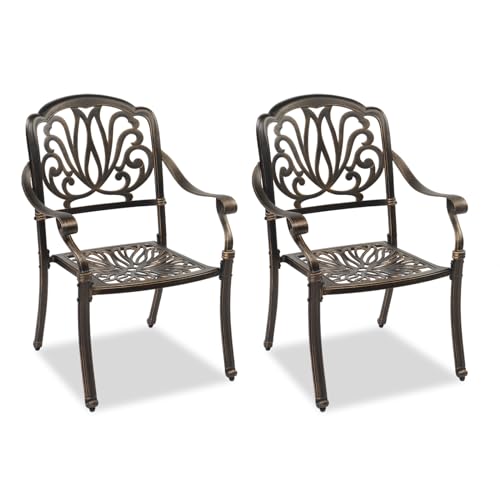
Wrought iron and cast aluminum bring a decorative, traditional character that many buyers associate with garden seating. They are heavier than tubular aluminum and often feature ornate patterns in the back and arms. Wrought iron can rust if the finish is damaged, so powder-coated versions hold up best outdoors. Cast aluminum offers a similar look with less weight and no rust risk.
These chairs suit formal gardens, cottage-style patios, and spaces where the chair itself is part of the design. Because they are heavier, they are less convenient to move frequently, so they work best in a fixed seating arrangement.
Care Requirements
- Clean with mild soap and water and dry thoroughly.
- Inspect decorative joints and touch up any chipped finish.
- Store or cover during harsh winters in cold climates.
Comfort Features That Matter
Metal chairs have a reputation for being firm, but modern designs address that with several features. Sling seats and mesh backs conform to the body and dry quickly. Contoured seats and curved backrests reduce pressure points. Armrests improve comfort for longer sitting sessions, especially for older guests.
If you want added softness, look for metal chairs designed to accept cushions. Our guide to metal chairs with cushions explains how to match cushion shape, tie-downs, and fabric to the frame. For a broader view of cushioned metal seating, see metal outdoor dining chairs with cushions.
Seat Height and Dining Compatibility
Standard dining chairs sit at a seat height that pairs with a standard dining table. If you are furnishing a dining area, confirm the chair height matches your table before ordering. For bar-height setups, look at metal bar stools with backs and arms instead of standard lawn chairs.
Finishes and Weather Resistance
The finish is often the deciding factor in how long a metal lawn chair lasts. Powder coating is the standard for outdoor metal furniture because it is durable, uniform, and resistant to chipping when applied correctly. A rust-proof finish on joints and welds matters just as much as the visible surfaces.
For coastal environments, look for chairs with stainless steel hardware and a coating rated for salt exposure. In sunny climates, UV-stable coatings reduce fading. In cold climates, finishes that flex with temperature changes resist cracking.
Color and Style Choices
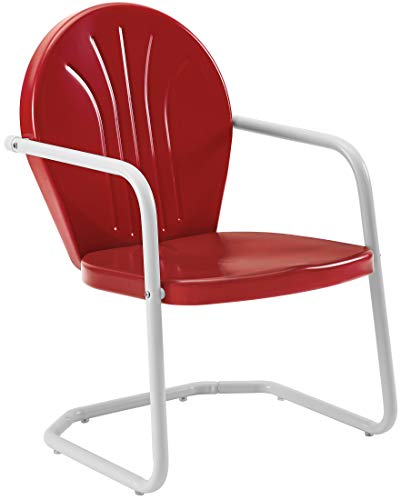
Metal lawn chairs come in a wide range of colors, from neutral grays and greens to bright statement tones. Neutral colors tend to age well and blend with changing decor, while bold colors work as accent pieces. If you plan to mix materials, our metal outdoor furniture that looks like wood guide shows how metal can complement a natural palette.
Styles and Placement Ideas
Traditional Garden Chairs
Wrought iron and cast aluminum chairs suit formal gardens, cottage patios, and spaces with established landscaping. They pair naturally with a metal garden bench or a metal garden table and chairs with cushions for a coordinated seating area.
Modern Minimalist Chairs
Sleek tubular aluminum chairs with clean lines suit contemporary patios and minimalist decks. They pair well with a metal outdoor table or a modern outdoor furniture with clean lines layout. If you prefer seating without cushions, see modern outdoor furniture without cushions.
Rocking and Porch Chairs
Metal rocking chairs bring a classic porch feel with the durability of metal. See our guide to a metal outdoor rocking chair for style and comfort considerations. Cushioned versions are covered in metal outdoor rocking chairs with cushions.
Casual and Poolside Seating
Mesh and sling metal chairs dry quickly and handle splashes well. They are a practical choice for poolside seating and casual yards. Pair them with a metal outdoor table and chairs set for a cohesive look.
A Practical Framework for Choosing
- Identify your climate stress: salt, humidity, sun, snow, or a mix.
- Decide on frame material: aluminum for rust-free lightness, steel for stability, wrought iron for decorative style.
- Choose a finish tier: entry-level, mid-range, premium, or luxury based on expected lifespan.
- Match comfort features: sling, mesh, contoured seat, armrests, or cushion-ready design.
- Confirm table height compatibility: standard dining height, counter height, or bar height.
- Plan care and storage: covers, touch-up paint, and off-season storage.
Following this order keeps the decision grounded in your environment and lifestyle rather than in marketing language. For an overview of metal patio seating across the site, see metal patio chairs.
Frequently Asked Questions
Are metal lawn chairs comfortable?
Modern metal chairs use sling seats, mesh backs, and contoured shapes to improve comfort. Adding cushions makes them comfortable for long sitting sessions, and armrests help for older guests.
Do metal lawn chairs rust?
Aluminum does not rust, and powder-coated steel resists corrosion well if the finish stays intact. Wrought iron can rust if the coating is damaged, so touch up chips promptly. Stainless hardware further reduces rust risk.
Which metal is best for coastal areas?
Aluminum with a rust-proof finish and stainless hardware is the most reliable choice for salt air. Powder-coated steel and wrought iron require more vigilance in coastal environments.
How do I clean metal lawn chairs?
Wipe with mild soap and water, rinse, and dry thoroughly. Inspect the finish each season and touch up chips to prevent corrosion at exposed spots.
Can metal lawn chairs be used with a dining table?
Yes, provided the chair height matches the table height. Standard dining chairs pair with standard dining tables, and bar-height chairs pair with bar-height tables.
Final Thoughts
Metal lawn chairs are a smart, durable choice for outdoor seating, but the category is not one-size-fits-all. Aluminum is the practical default for most yards, steel suits sheltered setups where stability matters, and wrought iron or cast aluminum bring a decorative character that lasts. Focus on finish quality, comfort features, and table height compatibility, and your metal chairs will deliver comfortable outdoor seating for many seasons.