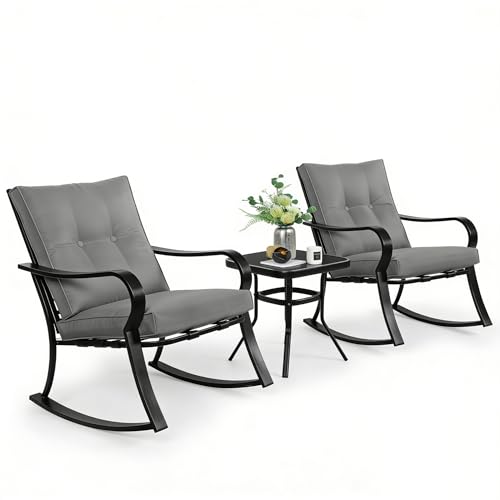
Metal Outdoor Rocking Chairs with Cushions: The Complete Buying Guide
Everything you need to know before choosing a cushioned metal rocker for your porch, patio, or garden. Compare frame materials, cushion fabrics, comfort features, and maintenance requirements to find the right fit for your outdoor space.
Start Your ResearchWhy Choose a Metal Outdoor Rocking Chair with Cushions?
A metal outdoor rocking chair with cushions combines the soothing motion of a traditional rocker with the durability of metal construction and the comfort of padded seating. For homeowners who spend long afternoons on the porch or evenings by the fire pit, this combination offers a balance of support, weather resistance, and relaxation that few other outdoor seating categories can match.
Metal frames, particularly powder-coated aluminum and high-grade steel, resist rust, warping, and insect damage far better than untreated wood. Cushions add a layer of softness that makes long sitting sessions comfortable, while removable covers simplify cleaning. Whether you are furnishing a covered front porch, a sunny deck, or a screened-in patio, a cushioned metal rocker can serve as a daily-use seat and a visual anchor for the space.
This guide walks through the key decision points: frame material, cushion construction, rocking mechanism, size and weight capacity, maintenance, and styling. By the end, you should have a clear picture of which type of metal rocking chair with cushions suits your climate, your seating habits, and your outdoor layout. For a broader look at metal seating options, you can also explore our guide to metal outdoor rocking chairs and the wider category of metal patio furniture.
Frame Materials: Aluminum, Steel, and Wrought Iron
The frame determines how long your rocking chair will last, how much maintenance it needs, and how easy it is to move. Most metal outdoor rocking chairs with cushions fall into one of three material categories.
Powder-Coated Aluminum
Aluminum is lightweight, naturally rust-resistant, and easy to reposition. A powder-coated finish adds a protective layer that resists scratches and UV fading. Aluminum frames are the most common choice for entry-level and mid-range rocking chairs because they balance durability with portability. They work well on decks and balconies where weight matters. However, very light aluminum frames can feel less stable in strong winds, so look for reinforced joints and a wide base.
High-Grade Steel
Steel frames are heavier and stiffer than aluminum, which translates to a more planted feel and less flex in the rocking motion. High-grade steel with a rust-proof finish can last many seasons, but any chip in the coating should be touched up promptly to prevent corrosion. Steel rocking chairs are a solid choice for covered porches and permanent placements where the chair will not be moved often. For homeowners who prefer the look of metal with a more traditional silhouette, steel and wrought iron models often pair well with metal chairs with cushions in the same seating area.
Wrought Iron
Wrought iron offers a classic, decorative look with intricate scrollwork and a substantial feel. It is the heaviest option and requires periodic inspection for rust, especially in coastal or humid climates. Wrought iron rocking chairs are best suited to sheltered locations and homeowners who appreciate traditional craftsmanship. They are typically positioned in the premium or luxury tier of the market.
| Frame Material | Tier Positioning | Best For | Maintenance Level |
|---|---|---|---|
| Powder-Coated Aluminum | Entry-level to mid-range | Decks, balconies, humid climates | Low |
| High-Grade Steel | Mid-range to premium | Covered porches, permanent placements | Moderate |
| Wrought Iron | Premium to luxury | Sheltered patios, traditional styling | Moderate to high |
Cushion Construction: Fabric, Foam, and Weather Resistance
Cushions are what separate a metal rocking chair from a purely utilitarian seat. They also represent the part of the chair most vulnerable to weather, so understanding cushion construction is essential for long-term satisfaction.
Fabric Choices
Solution-dyed acrylic is the benchmark for outdoor cushion fabric. The color is infused into the fibers rather than applied as a surface dye, which means it resists fading from UV exposure and holds up to repeated cleaning. Polyester blends are common in entry-level cushions; they are soft and come in many patterns but tend to fade faster in direct sun. Olefin is another option with good moisture resistance, though it can feel less soft against the skin. Whichever fabric you choose, look for a tight weave and a manufacturer note about UV resistance.
Foam and Fill
Quick-dry foam is designed with open cells that allow water to pass through instead of soaking in. This is the preferred fill for outdoor cushions because it reduces the risk of mildew and speeds drying after rain. Standard polyurethane foam feels plush but can hold moisture if water penetrates the cover. Some premium cushions combine a quick-dry core with a softer top layer for comfort. Zippered covers that can be removed for washing are a practical feature, especially on chairs used daily.
Attachment and Fit
Cushions on rocking chairs need to stay in place as the chair moves. Look for ties, elastic straps, or a non-slip underside. A well-fitted cushion that follows the seat and back contours will feel more supportive than a loose pad. If you are replacing cushions on an existing frame, measure the seat depth, seat width, and back height before ordering. Our guide to the most comfortable outdoor furniture cushions covers fill types and fit in more detail.
Rocking Mechanism, Comfort, and Ergonomics
The quality of the rocking motion depends on the runner design and the frame's rigidity. Flat metal runners sliding on a patio surface can scratch both the chair and the floor, so many models include replaceable glide pads or nylon inserts. Look for a smooth, controlled motion that does not tip too far backward. A well-designed metal rocker should feel stable when you lean back and easy to exit from a seated position.
Armrests play a larger role than many buyers expect. Wide, flat armrests give you a place to rest a book or a drink, while curved armrests look more traditional but offer less utility. Seat height matters for comfort, especially for older users; a seat that is too low can make standing up difficult. Cushion thickness affects both comfort and seat height, so factor in the cushion profile when comparing chairs. If you need extra support for reading or lounging, compare the ergonomics described in our guide to the most comfortable front porch rocking chairs.
Weight capacity is another practical consideration. Most standard metal rocking chairs support 250 to 300 pounds. Heavy-duty and commercial-grade frames are rated higher and often feature reinforced joints and wider seats. Check the stated capacity and confirm that the rocking runners are rated for the same load as the frame.
Placement, Styling, and Coordination
Metal rocking chairs with cushions work in a range of outdoor settings. On a covered front porch, a pair of rockers with a small side table creates a classic conversation spot. On an open deck, choose aluminum frames that are easy to move out of the sun or into storage. In a garden or screened porch, rocking chairs can anchor a reading corner or pair with a metal garden bench for a cohesive seating arrangement.
Color coordination matters more with metal than with wood because metal frames tend to have a uniform finish. Neutral cushion colors such as sand, charcoal, and navy pair easily with powder-coated black, bronze, or white frames. If your patio leans modern, look for chairs with clean lines and minimal ornamentation. For a more traditional look, wrought iron scrollwork and patterned cushions fit well. Our modern patio guide and minimalist patio ideas offer direction on matching seating to an overall design theme.
Consider how the chair will be used across seasons. A rocking chair placed in direct afternoon sun will fade cushions faster unless they are made with solution-dyed fabric. A chair near a fire pit should have a frame that tolerates heat radiation; keep cushions away from open flames and embers. For covered porches, a rocking chair can stay out year-round with basic care, but cushions should still be brought inside during extended wet periods.
Maintenance and Care for Metal Rocking Chairs with Cushions
Routine care extends the life of both the frame and the cushions. Metal frames should be wiped down with a mild soap solution and rinsed with clean water a few times per season. Inspect joints and welds for cracks, and touch up any chips in the powder coating with a matching touch-up paint to prevent rust. Avoid abrasive cleaners that can dull the finish.
Cushions should be brushed off regularly to remove dust and pollen. Spot-clean stains with a mild detergent and a soft brush, then rinse thoroughly and allow to air dry completely before replacing them on the chair. Mildew can develop if cushions are stored damp; a diluted vinegar solution can help treat mild mildew on solution-dyed acrylic. Store cushions in a dry, ventilated space during the off-season, and consider a breathable cover for the chair frame rather than a fully sealed plastic cover, which can trap moisture.
For steel and wrought iron frames, inspect for rust at the end of each season. Small rust spots can be sanded and treated with a rust converter before repainting. Aluminum frames need less attention but should still be checked for loose fasteners. If your chair has replaceable glide pads, replace them when they become worn to protect both the chair and your patio surface.
Key Factors to Consider Before You Buy
Use the following checklist to compare metal outdoor rocking chairs with cushions. Each factor influences comfort, durability, and how well the chair fits your space.
- Frame material and finish: Choose aluminum for low maintenance and portability, steel for stability, and wrought iron for traditional styling. Confirm the finish is described as rust-resistant or rust-proof.
- Cushion fabric and fill: Prioritize solution-dyed acrylic covers and quick-dry foam. Check for removable, washable covers and secure attachment points.
- Rocking mechanism: Test for a smooth, controlled motion and stable base. Look for replaceable glide pads or protective runners.
- Size and weight capacity: Match seat height and width to the primary user. Confirm the weight rating and check that the frame and runners are rated consistently.
- Climate suitability: In coastal or humid areas, favor aluminum and rinse frames regularly. In snowy regions, plan to store cushions and cover or move steel and iron frames.
- Style and coordination: Choose a frame finish and cushion color that complement your existing outdoor furniture and architectural style.
If you are outfitting a larger seating area, you may also want to compare these chairs with metal lawn chairs, metal patio chairs, and metal outdoor chairs to ensure a consistent look across your patio. For homeowners starting from scratch, our new homeowner outdoor guide provides a broader planning framework.
Frequently Asked Questions
What is the best metal for outdoor rocking chairs with cushions?
Powder-coated aluminum is the top choice for most homeowners because it is lightweight, rust-proof, and weather-resistant. High-grade steel offers excellent durability for stationary frames but requires a rust-proof finish and occasional touch-ups. Wrought iron provides a classic look but is heavier and needs regular maintenance.
How do I keep cushions dry on a metal rocking chair?
Choose cushions with quick-dry foam and solution-dyed acrylic fabric that resist moisture and UV rays. Store cushions indoors during heavy rain or off-season, and use a waterproof cover that allows ventilation. Elevate cushions slightly to promote airflow and dry them thoroughly after wet weather.
Can metal rocking chairs with cushions be left outside in winter?
Powder-coated aluminum chairs can generally stay outside in mild winters, but cushions should always be stored indoors. High-grade steel and wrought iron chairs should be covered or moved to a sheltered area to prevent rust. In areas with heavy snow or salt spray, store the entire chair indoors.
What weight capacity should I look for in a metal rocking chair?
Most standard metal rocking chairs support 250 to 300 pounds. For heavier users or commercial-grade use, look for frames rated at 350 pounds or more. Check that the rocking mechanism and joints are reinforced, and prefer wide seats with sturdy armrests.
Final Thoughts
Metal outdoor rocking chairs with cushions are a practical and comfortable addition to porches, decks, and patios. The right choice depends on your climate, how often you plan to move the chair, and how much maintenance you are willing to do. Aluminum frames with solution-dyed acrylic cushions offer the easiest long-term ownership experience, while steel and wrought iron models appeal to homeowners who value stability and traditional styling. Whichever direction you choose, confirm the frame finish, cushion materials, and weight capacity before you buy, and plan a simple seasonal care routine to keep both frame and cushions in good condition.