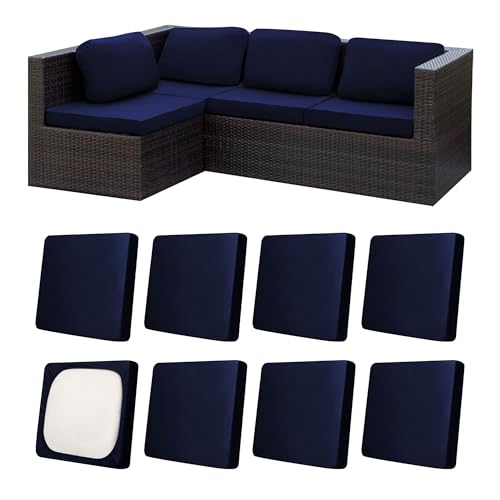
Most Comfortable Outdoor Furniture Cushions
Comfort on a patio begins with the cushion. This guide explains foam types, fabric choices, thickness, and fit so you can choose outdoor cushions that feel supportive, stay dry, and hold their shape season after season.
Why this matters: Outdoor cushions sit at the intersection of comfort and durability. A cushion that feels wonderful on day one can flatten within a season if the foam is too soft, and a cushion that lasts for years can feel stiff if the fill is too firm. The best outdoor cushions balance foam density, fabric breathability, and correct fit for the chair.
What Makes an Outdoor Cushion Truly Comfortable
Comfort is a combination of support, surface softness, temperature, and fit. On an indoor sofa, softness alone often drives the decision. Outdoors, you need all four factors to work together.
Support comes from the foam core. A high-density foam keeps its shape and holds the body up rather than letting it sink to the frame. Surface softness comes from the fabric and an outer layer of polyester fiber that cushions contact with the foam. Temperature depends on the fabric: vinyl and coated fabrics can feel hot and sticky, while solution-dyed acrylic and performance polyester breathe better. Fit determines whether the cushion stays in place or slides forward as you sit.
The best outdoor cushions are usually mid-range or high-end tier options with a layered foam core and a breathable fabric cover. Entry-level cushions can still be comfortable, but they tend to compress faster and may require replacement sooner.
If your patio includes bare metal or wood seating, cushions make a major difference in comfort. The most comfortable outdoor chairs without cushions guide and outdoor furniture without cushions overview show how to choose seating that works even before cushions are added.
Foam Types Compared: What Sits Underneath Matters
The foam core is the single strongest factor in long-term comfort. The table below compares the most common foam options using a consistent tier system.
| Foam Type | Tier | Feel | Best For |
|---|---|---|---|
| Standard polyurethane foam | Entry-level | Soft at first, compresses over time | Occasional seating, small side chairs, starter setups |
| High-density polyurethane foam | Mid-range | Firm but supportive; holds shape well | Dining chairs, everyday patio seating, family use |
| High-density foam wrapped in polyester fiber | Mid-range | Supportive core with a softer outer layer | Lounge chairs, deep seating, longer sessions |
| Memory foam | High-end tier | Conforms closely; can retain heat | Covered porches, screened rooms, cool climates |
| Quick-dry reticulated foam | High-end tier | Firm; drains water quickly | Pool areas, uncovered patios, rainy climates |
A wrapped high-density foam is the most reliable choice for everyday outdoor comfort. The dense core prevents bottoming out, while the fiber wrap adds softness where you sit and lean. Memory foam feels luxurious but absorbs heat and moisture, so it works best under a cover. Quick-dry reticulated foam is more specialized: it sacrifices some plushness for fast drainage and is the right pick for poolside or exposed seating.
If you are comparing seat types across the patio, the most comfortable outdoor lounge chair guide and outdoor lounge furniture overview cover how cushion choice changes with chair style. For seating with integrated upholstery, the metal chairs with cushions guide shows how foam and fabric are combined.
Fabric Choices: Soft, Breathable, and Weather-Ready
Fabric affects how a cushion feels against the skin, how it handles moisture, and how it looks after a season in the sun. The three most common outdoor fabric families each have a distinct personality.
Solution-dyed acrylic
Color is set into the fiber itself, which makes it highly fade-resistant and mildew-resistant. Acrylic feels soft and slightly textured, and it stays comfortable in heat. This is the strongest all-around choice for comfort and durability.
Performance polyester
Often treated with a water-repellent finish, performance polyester is smooth, quick-drying, and easy to clean. It feels cooler than coated fabrics and offers a wide range of colors and textures.
Olefin
Olefin is lightweight and highly resistant to moisture and mildew. It can feel slightly firmer than acrylic but performs well in humid climates and pool areas.
What to avoid
Vinyl and heavily coated fabrics can trap heat and moisture, which makes them uncomfortable in summer and prone to mildew in humid climates. They are practical for cleaning but rarely feel like the most comfortable choice.
Fabric choice should also match the chair. The navy and white striped chaise lounge cushions guide is a useful example of pairing pattern and fabric with a specific seat type. For seasonal swaps, the outdoor cushions overview covers color and material trends.
Thickness and Dimensions: Getting the Fit Right
A comfortable cushion is the right size for its chair. Too thin and you feel the frame; too thick and the chair becomes awkward to sit in. Measure the seat pan carefully before buying.
Recommended thickness by seat type
- Dining chairs: 2 to 3 inches thick for a supportive, upright feel.
- Lounge chairs and deep seating: 4 to 5 inches for longer sessions and a plusher feel.
- Benches and gliders: 3 to 4 inches for a balance of support and comfort.
- Chaise lounges: 2 to 3 inches is standard, with a longer pad that follows the contour of the seat.
Width and depth matter as much as thickness. A cushion that is slightly narrower than the seat looks intentional and reduces bunching. A cushion that is too wide will curl at the edges and wear unevenly. For seating with shared surfaces, such as benches or picnic tables, the metal bench guide and metal picnic tables overview are useful references for sizing.
Tie-downs and grips
Look for cushions with fabric ties or a non-slip bottom. A cushion that slides forward as you sit is not comfortable, no matter how good the foam is.
Matching Cushions to Your Seating Type
Different chairs need different cushion designs. Choosing by chair type prevents the most common comfort mistakes.
Metal patio chairs
Metal seats are firm by nature, so a mid-range cushion with a wrapped high-density foam core makes the biggest difference. Our metal patio chairs guide and metal outdoor chairs overview show which frames pair best with thick cushions.
Rocking chairs and gliders
A rocking chair is used for longer sessions, so cushion thickness of 3 to 4 inches with a firm core supports the body as it moves. The metal rocking chairs with cushions guide and front porch rocking chairs overview cover this combination in detail.
Dining and bistro sets
Dining cushions should be thinner and firmer to keep the body upright. The metal outdoor dining chairs with cushions guide and metal garden table and chairs overview show how thinner cushions support meals and conversation.
Wicker and rattan
Wicker and rattan seats often have a curved profile, which means the cushion shape matters as much as the foam. Our most comfortable outdoor wicker furniture guide covers how to choose cushions for curved seats.
If you prefer furniture that feels complete without separate pads, the no-cushion outdoor furniture overview and modern outdoor furniture without cushions guide explore designs that work with sculpted seats instead.
Keeping Cushions Comfortable Over Time
Even the most comfortable outdoor cushion loses softness if it is neglected. A short routine keeps foam responsive and fabric soft.
- Fluff cushions regularly to redistribute the fill and prevent flat spots.
- Bring cushions inside during heavy rain or store them in a waterproof box.
- Clean spills promptly with a mild detergent and a soft cloth to avoid stains setting.
- Rotate cushions between chairs so wear is spread evenly.
- Use a waterproof storage box for the off-season to protect foam and fabric.
- Replace covers before the foam fails if you like the shape and want to extend the cushion's life.
Proper storage is one of the most effective ways to keep cushions comfortable. Our large waterproof cushion storage box guide shows how to select a box that protects both foam and fabric. For broader care advice, the most comfortable durable outdoor furniture overview and outdoor care hub cover cleaning and weatherproofing routines.
Common Mistakes When Buying Outdoor Cushions
Most comfort problems come from a handful of avoidable decisions. Watch for these patterns before you commit.
- Buying soft foam for everyday seating. Soft foam feels good for a few weeks and then flattens, leaving you sitting on the frame.
- Ignoring fabric breathability. Coated fabrics trap heat and moisture, which makes cushions uncomfortable in summer and prone to mildew.
- Choosing the wrong thickness. Thin cushions on lounge seating and thick cushions on dining chairs both reduce comfort.
- Overlooking fit and tie-downs. A cushion that slides is a cushion you will stop using.
- Skipping storage. Cushions left out through winter often lose shape and color faster than those stored properly.
If you are replacing cushions for a specific chair, matching the cushion to the frame is the key step. The modern outdoor chairs guide and clean-lines outdoor furniture overview show how cushion shape complements modern frames, while the screened porch furniture guide covers comfortable cushions for sheltered spaces.
Frequently Asked Questions
What foam type is most comfortable in outdoor cushions?
High-density polyurethane foam wrapped in a softer layer of polyester fiber delivers the best balance of support and softness. Memory foam can feel comfortable but retains heat and moisture outdoors, so it is best reserved for covered porches.
How thick should outdoor seat cushions be?
A seat cushion between 3 and 5 inches thick suits most patio chairs. Dining seats work well at around 2 to 3 inches, while lounge chairs benefit from 4 to 5 inches for longer sitting sessions.
What fabric is best for comfortable outdoor cushions?
Solution-dyed acrylic and performance polyester fabrics are the strongest choices. They resist fading, moisture, and mildew while remaining soft to the touch, making them comfortable in both hot and cool conditions.
How do I keep outdoor cushions comfortable over time?
Store cushions in a dry place when not in use, fluff them regularly to redistribute the fill, and clean spills promptly. A waterproof storage box and breathable covers help preserve both foam shape and fabric softness.
Find the Most Comfortable Outdoor Cushions
Explore our curated selection of outdoor furniture cushions. Compare foam types, fabric options, and thicknesses to find the cushions that keep your patio seating supportive season after season.
Explore Options