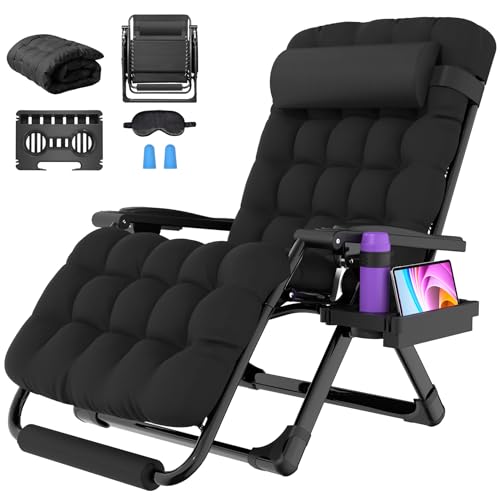
Most Comfortable Outdoor Lounge Chair: The Complete Buyer's Guide
Finding a lounge chair that truly feels comfortable is about much more than soft cushions. This guide breaks down the ergonomics, materials, and design features that make the difference between a chair you sit in briefly and one you never want to leave.
Why comfort matters: An outdoor lounge chair is an investment in your daily relaxation. Whether you are reading a book, enjoying a morning coffee, or simply watching the sunset, the right chair supports your body and enhances the time you spend outdoors. This guide helps you understand what to look for so you can choose with confidence.
What Makes an Outdoor Lounge Chair Comfortable?
Comfort is subjective, but several objective factors consistently contribute to a chair that feels great over long periods. The most comfortable outdoor lounge chairs combine supportive ergonomics, appropriate cushioning, breathable materials, and a design that suits your posture and relaxation habits.
When evaluating a lounge chair, consider how you plan to use it. A chair for sunbathing has different requirements than one for reading or conversation. The best choice balances your primary activity with the climate and space you have available. Many buyers start by exploring the broader category of most comfortable outdoor lounge furniture to understand the range of options before narrowing down to a specific chair.
Ergonomic Support
A properly contoured seat and backrest support your spine and reduce pressure points. Look for chairs with lumbar support and a seat depth that matches your leg length.
Quality Cushioning
Quick-dry foam and solution-dyed acrylic fabrics provide softness without trapping moisture. Removable, washable covers extend the life and freshness of the cushions.
Adjustable Recline
Multiple recline positions let you switch between upright reading and full relaxation. A smooth, secure locking mechanism is essential for safety and ease of use.
Breathable Materials
Sling, mesh, and woven designs allow air to circulate, keeping you cool in warm weather. Breathable fabrics also dry faster after rain or pool use.
Sturdy Frame
Powder-coated aluminum and high-grade steel resist rust and flex. A solid frame prevents wobbling and ensures the chair remains stable on uneven surfaces.
Armrests and Headrests
Padded armrests reduce shoulder strain, while an adjustable headrest supports your neck during extended lounging. These small details make a big difference.
Choosing the Right Materials for Lasting Comfort
The materials used in a lounge chair affect not only its comfort but also its durability and maintenance requirements. Here is how the most common options compare.
Frame Materials
- Aluminum: Lightweight and rust-proof, ideal for humid climates and easy repositioning. Often used in premium and high-end tier chairs.
- Steel: Heavy-duty and stable, with powder-coated finishes that resist corrosion. Excellent for windy areas where stability matters.
- Wood: Teak and acacia offer natural warmth and durability when treated properly. Wooden chairs require periodic sealing to maintain their appearance.
- Wicker and Rattan: Synthetic wicker over a metal frame provides a classic look with modern weather resistance. Natural rattan needs more careful maintenance.
Cushion and Fabric Materials
- Quick-dry foam: Allows water to drain and air to circulate, preventing mildew and keeping the cushion comfortable after rain.
- Solution-dyed acrylic: Color is infused into the fibers, resisting fading from UV exposure. This is a top-tier choice for sunny locations.
- Olefin and polyester blends: Durable and resistant to stains, often found in mid-range chairs. Good value for their class.
- Mesh and sling fabrics: Breathable and quick-drying, ideal for hot climates and poolside use.
If you prefer a chair without cushions, explore the options covered in our guide to the most comfortable outdoor chairs without cushions. Many modern sling and mesh designs provide excellent support without the maintenance that cushions require.
Comparing Lounge Chair Styles by Comfort Tier
The table below groups lounge chairs by quality tier and highlights what each tier typically offers in terms of comfort features. Use this as a starting point for your research; specific products within each tier will vary.
| Comfort Tier | Typical Features | Best For | Maintenance Level |
|---|---|---|---|
| Essential Tier | Basic sling or fabric seat, fixed recline, powder-coated steel frame | Casual use, occasional seating, balconies | Low |
| Mid-Tier | Adjustable recline, thicker cushions, aluminum frame, padded armrests | Daily relaxation, reading, sunbathing | Moderate |
| High-End Tier | Multi-position recline, quick-dry foam cushions, solution-dyed fabric, headrest | Frequent use, extended lounging, premium patios | Moderate |
| Luxury Tier | Ergonomic contouring, luxury cushioning, weatherproof premium materials, smooth recline mechanism | Resort-style comfort, daily long sessions, design-focused spaces | Regular care recommended |
Ergonomic Details That Make a Difference
Beyond materials, the shape and adjustability of a lounge chair determine how your body feels after an hour of use. Pay attention to these key ergonomic features when comparing models.
Seat Depth and Height
A seat that is too deep forces you to slouch, while a seat that is too shallow reduces support behind your knees. The ideal seat depth lets your back rest against the backrest while your feet remain flat on the ground when seated upright. Seat height should allow easy entry and exit without straining your knees.
Backrest Angle and Lumbar Support
An adjustable backrest lets you find the angle that suits your activity. For reading, a more upright position supports your neck and shoulders. For napping, a flatter recline reduces pressure on your lower back. Built-in lumbar support is especially valuable for anyone who spends long periods in the chair.
Recline Mechanism
The smoothest mechanisms are typically found in mid-range and higher-tier chairs. A good recline mechanism locks securely in multiple positions and is easy to adjust with one hand. If the chair will be used by people of different sizes, look for a mechanism that accommodates varied weights and heights.
Armrests and Headrests
Armrests should be high enough to support your forearms comfortably without forcing your shoulders upward. A headrest that adjusts to your neck height prevents strain during long lounging sessions. These features are often the difference between a chair you use for a few minutes and one you use for hours.
For a broader look at chairs designed specifically for reading, see our guide to the most comfortable outdoor chair for reading. Reading chairs often prioritize upright support and armrest comfort.
Matching Comfort to Your Lifestyle
The most comfortable chair for you depends on how and where you plan to use it. Consider these scenarios when making your choice.
Poolside and Beach Use
Quick-drying materials and resistance to chlorine and salt are essential. Sling or mesh seats with aluminum frames are excellent choices because they dry rapidly and resist corrosion. If you prefer a cushioned feel, choose cushions with quick-dry foam and removable, washable covers.
Small Patios and Balconies
Space-saving designs, such as chairs with a compact footprint or folding mechanisms, help you make the most of limited areas. Our article on modern outdoor furniture for small spaces offers additional layout ideas and product considerations.
Reading and Quiet Relaxation
Look for upright recline positions, supportive armrests, and a headrest. A chair with a higher backrest provides more neck support during long reading sessions. Comfort in this context is as much about posture support as it is about softness.
Entertaining and Conversation
Lounge chairs with a slightly more upright seat and easy entry make it simpler for guests to join and leave conversations. Swivel bases can add flexibility, allowing you to turn toward different parts of your patio.
Keeping Your Lounge Chair Comfortable Over Time
Even the most comfortable chair requires some care to stay that way. Regular maintenance protects your investment and ensures the chair remains a pleasant place to relax season after season.
- Clean cushions regularly: Brush off debris and spot-clean with mild soap and water. Most outdoor fabrics can be cleaned with a soft brush and a gentle detergent solution.
- Store cushions during bad weather: Bring cushions indoors or use a waterproof storage container during heavy rain or winter to prevent mildew and water damage.
- Use furniture covers: When the chair is not in use for extended periods, a breathable cover protects it from dust, pollen, and UV exposure.
- Check and tighten hardware: Periodically inspect bolts and joints, tightening them as needed to maintain stability and safety.
- Treat wooden frames: Apply a suitable sealant or oil to wooden frames once a year to maintain their finish and prevent cracking.
If you are comparing cushioned and non-cushioned options, our guide to most comfortable outdoor furniture cushions explains how to choose cushions that balance comfort with durability.
Frequently Asked Questions
Ready to Explore Your Options?
Now that you understand the key comfort factors, browse our recommended outdoor lounge chairs to find the one that suits your space and relaxation style.
Explore Top PicksRelated Reading
Expand your knowledge with these related guides from our site: