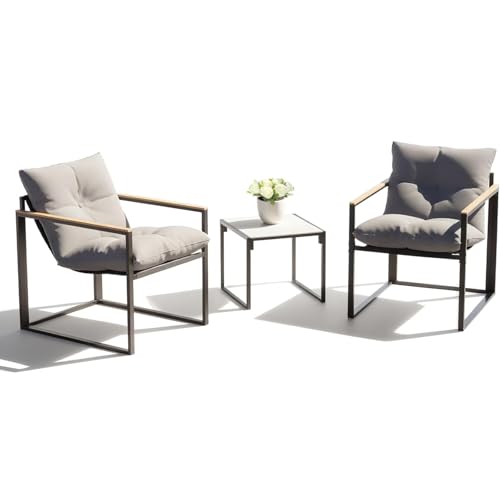
Modern Outdoor Furniture for Small Spaces
A practical guide to compact sofas, bistro sets, and space-saving designs that make balconies, courtyards, and small patios feel open, usable, and beautifully modern.
Why Modern Furniture Works in Small Spaces
Small outdoor spaces present a specific design challenge. You want seating, a place to set a drink, maybe a small table for meals, and a way to store cushions and accessories — all without the area feeling crowded. Modern outdoor furniture for small spaces solves that problem because it is designed around efficiency, clean lines, and multi-purpose use rather than decorative bulk.
Modern furniture typically has slimmer frames, lower visual weight, and fewer ornamental details. A metal sofa with thin legs reads as lighter than a heavy wood-and-upholstery piece, even when the actual dimensions are similar. A glass-topped bistro table shows more floor beneath it than a solid wood tabletop. These choices make a compact balcony or courtyard feel open rather than packed in.
Modern designs also tend to be modular and flexible. Sectional pieces can be reconfigured, folding chairs can be stacked or put away, and nesting tables can be pulled out for guests and tucked back when not in use. That flexibility is what makes small outdoor spaces genuinely livable rather than just photogenic.
Quick note: Small-space furniture is not about buying the smallest pieces available. It is about choosing pieces with the right proportions for your specific footprint, then leaving enough open floor to move comfortably. A cramped arrangement of tiny chairs feels worse than a well-placed compact sofa with breathing room around it.
Planning Your Small Outdoor Layout
Before choosing furniture, measure the actual space and sketch a simple floor plan. Use painter's tape on the ground to mark out furniture footprints, or cut paper templates to scale and move them around a drawn plan. This step saves far more time than browsing listings first and realizing later that nothing fits.
Measure the Usable Space
Measure the full length and width of the patio, balcony, or courtyard, then subtract the space taken up by railings, planters, steps, doors, and anything else you cannot move. The remaining area is the usable space, and that is what furniture must fit into while leaving walkways clear.
Define Zones
Even a small patio can have two or three zones: a seating area, a dining nook, and a planting or storage corner. A compact bistro table against one wall and a narrow sofa against another creates two zones without overwhelming the space. If the space is very tight, one primary zone with a flexible secondary use (a table that doubles as a side surface) may work better.
Leave Walking Room
Plan for at least 24 inches of clear walkway between furniture pieces, and 36 inches if you want people to pass each other comfortably. On a narrow balcony, leave enough room for a person to walk past a seated guest, otherwise the seating will not feel usable.
| Space Size | Recommended Setup | Best For | Tier Consideration |
|---|---|---|---|
| Small balcony (under 50 sq ft) | Bistro set plus one folding chair | Morning coffee, reading, one or two guests | Entry-level and mid-range folding sets work well |
| Compact patio (50–100 sq ft) | Two-seat sofa plus side table, or small dining set | Casual lounging, small dinners | Widest selection across mid-range to premium |
| Mid-size patio (100–150 sq ft) | Modular sectional plus coffee table, or full dining set | Entertaining, family use | Mid-range and high-end tier pieces are common here |
| Roof terrace (150+ sq ft) | Mixed seating and dining zones | Hosting, multi-purpose use | Premium and luxury tier sets suit larger outdoor rooms |
Key Furniture Pieces to Prioritize
With limited floor area, every piece has to earn its place. These are the furniture types that consistently work hardest in compact outdoor spaces.
Compact Sofas and Loveseats
A two-seat sofa or loveseat forms the anchor of most small outdoor seating areas. Look for sofas with slim arms, low backs, and legs that leave visible floor beneath the frame. A sofa with a removable back cushion can be pushed closer to a wall without losing comfort. If you want the look of a full sectional, a small modular piece can be reconfigured as a sofa, chaise, or corner seat, which is why modular designs work so well in tight spaces.
For the most compact layouts, a small sectional with only two or three modules is often a smarter choice than a fixed two-seat sofa because the pieces can be rearranged to fit different corners and configurations over time. The modern outdoor furniture category includes a wide range of these modular designs.
Bistro and Folding Tables
A bistro table is the classic small-space dining solution. Round tables are often better than rectangular ones in tight spaces because they have no sharp corners and can be placed in corners without wasting space. Folding tables go a step further: they can be stored away entirely when not in use, freeing the floor for other activities.
Nesting tables are another option worth considering. Two or three small tables stack under each other, so you can use one for a drink and pull out a second when guests arrive. The metal bistro table style is especially durable and works well on compact patios and balconies.
Folding and Stackable Chairs
Chairs that fold or stack are essential for small spaces. Folding chairs can be put away when not needed; stackable chairs can be stored in a corner or closet. Look for chairs with narrow profiles and clean lines so they match the modern aesthetic. A folding chair with a slim frame and a simple seat looks intentional rather than makeshift.
Lounge Chairs and Chaise Lounges
If lounging is the priority, a single lounge chair takes up much less space than a full sofa. Look for a chair with a narrow footprint and a reclined back that supports long sessions. A modern chaise lounge can work if the space is long enough, but in a very tight patio, a single lounge chair with a small side table is often the better choice.
Multi-Function Pieces
Multi-function furniture is the secret weapon of small-space design. A storage bench that doubles as seating, a coffee table with a lift-up top, or an ottoman that opens to reveal a tray are all worth considering. These pieces reduce the number of items you need and keep the space feeling open.
Materials for Compact Outdoor Furniture
The right material depends on how the space is used and how much weather it gets. All of the following materials work well in small outdoor spaces, but each has a distinct feel and care profile.
Powder-Coated Aluminum
Aluminum is the most common frame material for modern small-space furniture because it is light, rust-resistant, and can be shaped into slim profiles. A powder-coated aluminum frame handles humidity and rain well, and the finish resists fading. Aluminum furniture is easy to move, which matters in a small space where you may rearrange pieces often.
High-Density Polyethylene (HDPE)
HDPE is a weatherproof plastic that will not rot, splinter, or fade easily. It is heavier than aluminum but very low-maintenance. Modern HDPE pieces often have clean, simple shapes that suit small patios and balconies. A modern recycled plastic outdoor furniture piece can be a long-lasting choice for a compact outdoor space.
Teak and Other Hardwoods
Teak and acacia bring warmth to a modern space, and they age well when properly sealed. Wood furniture is heavier than aluminum, which is an advantage for stability and a drawback for rearranging. If the space is sheltered and you like the warmth of wood, a small wood-and-metal set can look beautiful.
All-Weather Wicker
All-weather wicker over an aluminum frame adds texture to a modern space without adding visual weight. Wicker chairs and sofas tend to look softer than bare metal, which can suit compact balconies and courtyards. The trade-off is that debris can collect between strands, so wicker needs more frequent cleaning.
Glass and Slatted Tops
Glass tabletops reflect light and visually open up the space, which is particularly valuable on a small balcony. Slatted tops drain water and feel lighter than solid surfaces. Both are worth considering if you want the space to feel airy rather than enclosed.
Visual Tricks That Make Spaces Feel Larger
Furniture placement and styling can make a small patio feel dramatically bigger. These visual strategies work alongside good furniture choices to transform a tight area into a comfortable outdoor room.
- Keep the palette consistent: Using a limited color palette — two or three related tones — reduces visual clutter and makes the space feel calmer and more open.
- Choose low visual-weight furniture: Furniture with exposed legs and open frames lets the eye see through to the floor, which makes the footprint feel smaller than it is.
- Draw the eye upward: Tall planters, vertical garden walls, and a compact umbrella or shade sail move the eye upward, making the floor area feel less constrained.
- Use mirrors: A weatherproof mirror on a sheltered wall can double the perceived depth of a narrow balcony or patio.
- Keep surfaces clear: Clutter on tables and counters visually shrinks a space. Store extras out of sight and leave the main surfaces open.
- Use layered lighting: A combination of string lights, small lanterns, and a low wall light creates depth and warmth after dark, which helps the space feel larger and more inviting.
A modern outdoor furniture with clean lines style reinforces these tricks because its simplicity does not compete with the architecture or landscape around it.
Storage and Flexibility
In a small outdoor space, storage is not an afterthought; it is part of the furniture plan. Cushions, blankets, table linens, and small accessories all need a home, and without one they will pile up on chairs or clutter the floor.
Look for furniture that includes built-in storage where possible. A storage bench, a coffee table with a lower shelf, or a compact deck box can absorb small items without adding a separate storage piece. A large deck box can be a good fit if the space can accommodate it; if the space is tight, a smaller waterproof container or a weatherproof storage cabinet mounted to a wall is often the better choice.
Flexibility is the other half of the storage story. Furniture that folds, stacks, or nests gives you the option to clear the floor when you need it, which is especially valuable on a balcony used for both dining and exercise or play. Plan the layout so that clearing one piece opens up the space enough for the next activity.
Cushions should be stored indoors or in a waterproof container during the off-season. A large waterproof outdoor cushion storage box keeps cushions dry and out of the sun, which extends their life. In very tight spaces, a small waterproof bag or bin stored in a closet works just as well.
Care in Tight Quarters
Small outdoor spaces present unique care challenges. Furniture is often closer to walls, railings, and plants, which means less airflow and more opportunity for moisture to collect. A little extra attention to cleaning and ventilation keeps the furniture looking good and prevents issues from developing.
- Clean between pieces: Dirt and leaves collect in the gaps between furniture, so plan a regular cleaning routine that includes the spaces between chairs and under tables.
- Watch for moisture: On sheltered balconies and patios, moisture can linger. Wipe down furniture after rain and let pieces air out when possible.
- Protect against wind: Small-space furniture is often lighter, which means wind can shift it. Add weighted feet or store lightweight pieces during storms.
- Maintain cushions: Bring cushions inside during rain and store them in a dry place. A quick-dry cushion is easier to manage in a compact space where there is no room to spread pieces out.
- Touch up finishes: Small chips or scratches in a powder-coated finish can be touched up with a matching pen to prevent rust from spreading.
Ready to Compare Small-Space Outdoor Furniture?
Browse curated options that match the sizing, materials, and styling discussed in this guide. Each listing includes the details that matter for compact patios and balconies, so you can compare pieces side by side.
View Recommended OptionsFrequently Asked Questions
What modern outdoor furniture works best for a small balcony?
Bistro sets, folding chairs, slim-section sofas, and modular pieces work best on small balconies. Look for furniture with a narrow footprint, light visual weight, and legs that lift the piece off the ground so the eye can see through it. Folding and stackable designs are especially useful when floor space needs to stay open.
How do I make a small patio feel larger with furniture?
Choose furniture with clean lines and a low visual profile, use a consistent color palette, and keep the number of pieces to a minimum. Glass or slatted tabletops, open-frame chairs, and vertical elements like tall planters draw the eye upward and make the space feel less crowded.
Should I choose a sectional or a sofa for a small outdoor space?
A compact sofa or a small sectional that fits the corner of your space can work well. Modular sectionals are especially useful because you can reconfigure the pieces as needed. If the space is very tight, a two-seat sofa or a loveseat paired with a single chair is often a better fit than a full sectional.
What materials are best for modern small-space outdoor furniture?
Powder-coated aluminum, high-density polyethylene, teak, and all-weather wicker are all good choices for compact outdoor furniture. Aluminum is light and rust-resistant, making it easy to move; HDPE is weatherproof and low-maintenance; teak adds warmth and lasts for decades with proper care; wicker offers texture but needs more consistent cleaning in tight spaces.
Can I use indoor furniture on a covered balcony?
Indoor furniture can work on a covered, sheltered balcony, but it will not last as long as outdoor-rated pieces. Moisture, temperature swings, and UV exposure wear down indoor upholstery and finishes over time. If you want the look of indoor furniture, choose outdoor-rated pieces designed to resemble interior styles.
How do I store small-space outdoor furniture during the off-season?
Folding and stackable furniture can be stored in a closet, storage room, or a waterproof deck box. Larger pieces should be covered with a breathable outdoor cover and kept in a sheltered spot. Cushions and textiles should be brought indoors to prevent mold and fading.