Most Comfortable Outdoor Chair for Reading
Discover the seating that transforms your patio, porch, or deck into a true reading retreat. We break down ergonomics, cushioning, materials, and posture so you can choose the right chair for long, relaxed reading sessions outdoors.
Compare Chair TypesWhy comfort matters for outdoor reading: Reading outdoors demands more from a chair than casual lounging. You need sustained back support, a seat angle that keeps your book at eye level, and materials that stay comfortable through heat, humidity, and long sessions. This guide explains exactly what separates a chair you sit in for ten minutes from one you can enjoy for hours.
What Makes an Outdoor Chair Comfortable for Reading
Comfort while reading is not simply about softness. The best outdoor reading chairs combine four structural elements: lumbar support, seat depth, recline angle, and armrest height. Each factor influences how long you can sit without shifting position or feeling strain.
Lumbar Support and Backrest Shape
A reading chair should support the natural curve of your lower back. Look for backrests with a gentle contour or an included lumbar cushion. Flat backrests force your spine into an unnatural position, which becomes noticeable after twenty to thirty minutes. Chairs with adjustable or removable lumbar pillows offer the most flexibility, letting you fine-tune support to your body.
Seat Depth and Width
Seat depth determines whether your back can rest against the backrest while your feet stay flat on the ground. A seat depth between 19 and 22 inches suits most adults. Deeper seats encourage reclining but may require a footrest or ottoman to prevent leg fatigue. Width matters too: a seat at least 22 inches wide allows you to shift position comfortably without feeling confined.
Recline Angle
The ideal reading recline sits between 100 and 110 degrees from vertical. This angle keeps your head upright enough to look at a book without neck strain while reducing pressure on the lower back. Fixed chairs with a slight recline work well for upright reading, while adjustable lounge chairs let you switch between upright and reclined positions during longer sessions.
Armrest Height and Shape
Armrests should sit at a height that lets your forearms rest naturally while holding a book, roughly level with your elbows when seated. Flat, wide armrests are more comfortable than narrow rounded ones because they distribute pressure across the forearm. Some readers prefer armrests wide enough to rest a book or e-reader on momentarily.
Cushioning and Breathability
Outdoor cushions need to balance softness with support. Foam that is too soft compresses quickly and loses support; foam that is too firm feels rigid after extended sitting. High-resilience foam wrapped in a breathable, quick-dry cover offers the best combination. Open-weave fabrics and ventilated seat bases prevent heat buildup, which matters greatly during warm afternoons. For a deeper look at cushion construction, see our guide to comfortable outdoor furniture cushions.
Chair Types Compared for Reading Comfort
Different outdoor chair styles serve different reading habits. The table below compares the most common options across the factors that matter most for sustained reading comfort. Tiers reflect relative market positioning, not absolute values.
| Chair Type | Best For | Recline | Cushioning | Tier |
|---|---|---|---|---|
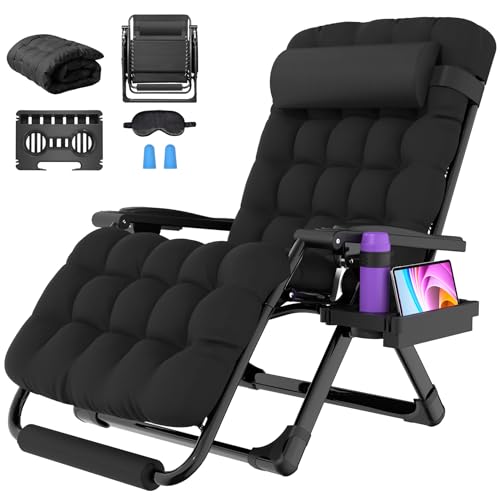
| Adjustable Outdoor Lounge Chair | Long reading sessions, adjustable posture | Multi-position | Deep, contoured | Top-tier |
| Deep Cushioned Armchair | Upright reading with strong lumbar support | Fixed, slight | Plush, high-resilience | Top-tier |
| Sling or Woven Chair | Casual reading, warm climates | Fixed, gentle | Minimal | Mid-tier |
| Adirondack Chair | Casual reading, upright posture | Fixed, upright | Optional pad | Mid-tier |
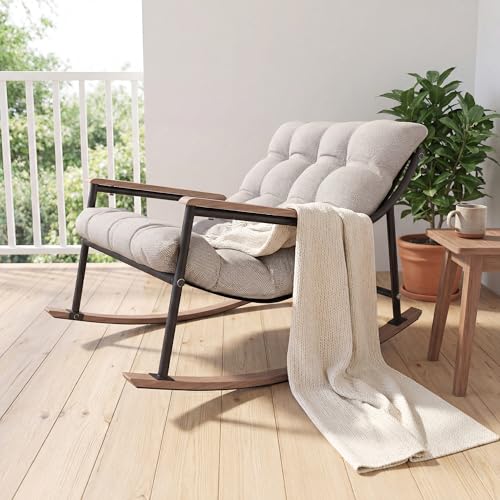
| Rocking Chair | Short reading sessions, gentle motion | Fixed, rocking | Moderate | Mid-tier |
| Chaise Lounge | Reclined reading, sunbathing with a book | Multi-position | Moderate to deep | Top-tier |
| Folding Camp Chair | Portable reading, occasional use | Fixed | Light | Entry-level |
For most readers, an adjustable outdoor lounge chair or a deep cushioned armchair provides the best balance of posture control and sustained comfort. If you prefer an upright reading position, a modern lounge chair with a firm backrest and supportive cushions often works better than a deeply reclined model. Readers who enjoy switching between sitting up and leaning back should prioritize chairs with multi-position recline.
If your reading spot is on a covered porch, a cushioned armchair with a high back offers excellent support and blocks drafts. Our guide to comfortable screened porch furniture covers additional considerations for enclosed outdoor spaces.
Ergonomic Details That Separate Good Chairs From Great Ones
Beyond the broad categories, several smaller design details have an outsized effect on reading comfort. These are the features worth checking before you commit.
Seat Height and Foot Support
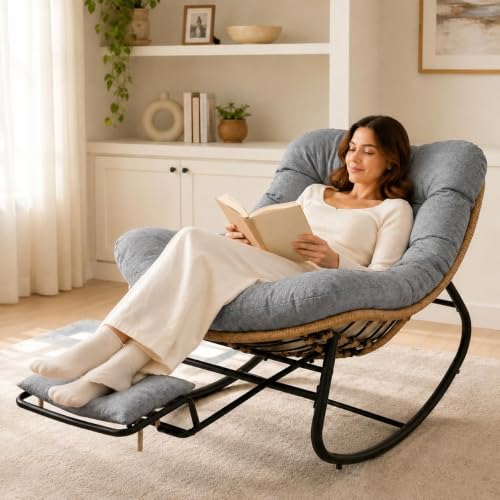
A seat height between 16 and 18 inches lets most adults place their feet flat on the ground without pressure behind the knees. If the chair sits higher, a footrest or ottoman becomes important for long reading sessions. Chairs that pair with a matching ottoman offer the most relaxed reading posture, especially for reclined positions.
Backrest Height
Backrests that reach at least mid-shoulder provide better support for the upper back and neck. Low-back chairs force you to hold your head and shoulders in a more active position, which becomes tiring during extended reading. A high backrest also blocks wind and glare from behind, improving the reading experience on breezy days.
Frame Rigidity and Sway
A stable frame prevents the subtle rocking or flexing that distracts during reading. Powder-coated aluminum and high-grade steel frames offer the best rigidity-to-weight ratio. Wicker and rattan frames can be comfortable but may flex more under weight, which some readers find distracting. For readers who want a rock-solid seat, a metal outdoor chair with a reinforced frame is a dependable choice.
Armrest Usability
Wide, flat armrests double as temporary book rests and cup holders. Chairs with narrow, rounded armrests are less useful for readers who like to set a book down briefly or hold an e-reader at arm's length. Some chairs include integrated side tables or cup holders, which reduce the need to reach for a separate table.
Materials and Weather Resistance for Reading Chairs
Outdoor reading chairs face sun, rain, and temperature swings. Material choice affects both comfort and longevity. The best options balance breathability, durability, and low maintenance.
Frame Materials
- Powder-coated aluminum: Lightweight, rust-resistant, and rigid. Ideal for chairs that stay outdoors year-round.
- High-grade steel: Very stable and durable, but heavier. Look for rust-proof finishes if the chair will be exposed to rain.
- Teak and acacia: Naturally weather-resistant woods that age gracefully. Require occasional sealing to maintain appearance.
- Resin and high-density polyethylene: Extremely weather-resistant and low maintenance. Often used in Adirondack and stacking chairs.
- Wicker and rattan: Comfortable and visually warm, but natural versions need protection from prolonged moisture. Synthetic versions offer better weather resistance.
Cushion Fabrics
Solution-dyed acrylic and olefin fabrics resist fading and moisture better than standard polyester. Quick-dry foam cores allow water to drain and air to circulate, preventing mildew. Removable, washable covers extend the life of the cushions and keep the chair fresh through the seasons. For readers in humid climates, breathable mesh or sling seats can be more comfortable than solid cushions because they allow air to move beneath you.
Readers who prefer a natural, textured look might consider natural rattan chairs paired with quick-dry cushions. Those who want minimal maintenance often gravitate toward cushionless modern outdoor furniture, though cushionless designs require careful attention to seat contour for reading comfort.
How to Set Up a Reading Nook Around Your Chair
The chair is the centerpiece, but the surrounding setup determines how enjoyable the reading experience becomes. A few practical additions make a noticeable difference.
- Side table: Place a small table within arm's reach for a book, drink, or reading glasses. A stacking side table works well in compact spaces.
- Shade: Direct sun causes glare and heat buildup. A patio umbrella or a pergola provides comfortable shade for daytime reading. Consider an offset umbrella with a weighted base for flexible positioning.
- Lighting: For evening reading, add a battery-powered clip light or a nearby floor lamp. Avoid overhead lighting that casts shadows on the page.
- Footrest: An ottoman or a small stool supports your legs in a reclined position and reduces pressure on the lower back.
- Wind and insect protection: In mosquito-prone areas, a screened porch or a patio mister system improves comfort. See our guide to mosquito control for practical solutions.
If your reading space is small, a space-conscious outdoor furniture set can combine a comfortable chair with a compact table without crowding the area. For a cohesive look, consider pairing the chair with a minimalist patio layout that keeps the focus on comfort and calm.
Common Mistakes When Choosing a Reading Chair
Many buyers focus on appearance and overlook the details that determine long-term comfort. These are the most frequent pitfalls.
- Choosing style over seat depth: A chair that looks elegant but forces you to perch on the edge will not support long reading sessions.
- Ignoring recline angle: A chair that leans too far back strains the neck; one that sits fully upright tires the lower back. Test the angle before buying.
- Underestimating cushion quality: Thin or low-density foam compresses within weeks. Look for high-resilience foam and removable covers.
- Overlooking armrest height: Armrests that are too low or too high force your shoulders into an uncomfortable position while holding a book.
- Skipping weather protection: Even weather-resistant chairs benefit from covers during off-seasons. Neglecting protection shortens the chair's useful life.
Frequently Asked Questions
What makes an outdoor chair comfortable for reading?
An outdoor reading chair needs proper lumbar support, a seat depth that allows your back to rest against the backrest, an optimal recline angle between 100 and 110 degrees, and breathable cushioning that retains shape. Armrests at the right height for holding a book are also essential.
Is a lounge chair or an Adirondack chair better for reading?
Lounge chairs with adjustable recline and deep cushioning generally outperform Adirondack chairs for long reading sessions. Adirondacks offer a fixed, upright-to-slight-recline posture that suits casual reading, while adjustable lounge chairs let you dial in the exact angle for extended comfort.
Should I choose cushions or a cushionless outdoor reading chair?
Cushioned chairs deliver superior comfort for reading because they distribute pressure and absorb the hardness of the frame. Cushionless designs made from flexible sling or woven materials can still be comfortable for shorter sessions but typically lack the sustained support needed for long reading periods.
How do I protect an outdoor reading chair from weather?
Choose weather-resistant frames such as powder-coated aluminum or high-grade resin, use quick-dry cushions with solution-dyed acrylic covers, and store or cover the chair during off-seasons. Regular cleaning and applying appropriate sealants for wood frames extend the chair's lifespan.
Ready to Find Your Reading Chair?
Explore our recommended outdoor chairs below and compare features that matter for long, comfortable reading sessions.
View Recommended Chairs