Mushroom Stacking Resin Side Table Guide
A small outdoor accent table with outsized impact — how to choose, stack, and style resin mushroom tables.
START READINGWhy this little table matters: The mushroom stacking resin side table has become one of the most quietly useful pieces in outdoor living. It holds a drink, supports a book, fills an awkward gap between chairs, and — because it stacks — disappears neatly when the patio needs to open up for guests. This guide explains what to look for so your table survives sun, rain, and daily use for years, not seasons.
What Is a Mushroom Stacking Resin Side Table?
A mushroom stacking side table is a compact outdoor accent table with a distinctive silhouette: a round or gently domed top supported by a stem-like base, echoing the shape of a mushroom. The "stacking" descriptor refers to the way these tables nest into one another when not in use, which makes them especially practical for small patios, balconies, and multi-purpose outdoor areas.
Resin plastic construction is what makes this category work. Resin is weather-tolerant, lightweight, and available in a wide range of finishes, from matte pastels to stone-look textures. It does not rust like metal or warp like untreated wood, and it can be wiped clean in seconds. For homeowners who want a functional accent piece without ongoing maintenance, resin is a sensible foundation.
Within the broader world of modern recycled plastic outdoor furniture, the mushroom stacking table sits at the practical end: less of a statement piece than a beautifully executed utility item. That is precisely its appeal.
Design Variations and Shape
Within the mushroom stacking category, design variations matter more than they might seem. The shape affects how the table fits next to seating, how stable it feels under weight, and how easily it stacks.
Classic Domed Mushroom
The original silhouette: a smooth, rounded cap and a tapered stem. This design suits soft, organic patio styles and pairs naturally with wicker or rounded lounge chairs. It is also the easiest shape to stack, since the domed top seats neatly into the concave base of the table beneath it.
Flat-Top Mushroom
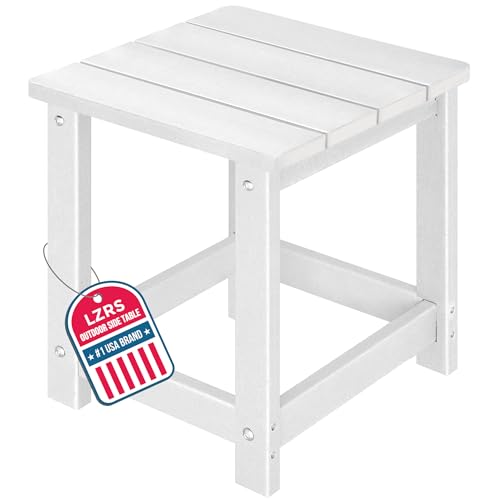
A variation with a flatter top, more like a traditional side table. These are better for holding glasses and plates without wobble, and they suit more contemporary patios. If your patio leans modern, this is the version to prioritize — our modern outdoor furniture guide offers broader context for the aesthetic.
Textured and Stone-Look Finishes
Many resin tables are molded with surface texture that mimics stone, concrete, or wood grain. These finishes add visual interest and hide minor scuffs better than smooth plastic. For a natural look without natural maintenance, this category is a strong option — the same principle behind metal outdoor furniture that looks like wood.
Resin Materials and What to Look For
Not all resin is created equal. The quality of the resin and the UV treatment are the two biggest factors in how well a mushroom stacking table holds up outdoors.
High-Density Polyethylene (HDPE)
HDPE is the resin most often used in durable outdoor furniture. It resists moisture, does not crack easily under temperature swings, and holds color well when UV-stabilized. Tables made from HDPE are typically in the mid-range to premium tier and last noticeably longer than thinner, lighter plastic designs.
Polypropylene and Blended Resins
Polypropylene is lighter and more flexible. It works well for entry-level pieces where weight matters, but very thin polypropylene can become brittle under prolonged sun exposure. Blended resins sit between these two categories and are common in the mid-tier.
UV Stabilization
UV-stabilized resin resists fading and yellowing. Without this treatment, a colored table can fade significantly after one or two summers. If the table will sit in direct sun, prioritize UV stabilization over any other feature.
Finish and Color
Matte finishes hide fingerprints and small scratches better than glossy ones. Lighter colors stay cooler to the touch in hot sun. If you plan to coordinate with adjacent seating, matching resin tones to nearby cushion colors or frame finishes helps the small table feel intentional rather than incidental.
Quick material guide
Sunny or exposed patios: UV-stabilized HDPE with a matte finish. Humid or coastal: HDPE or blended resin that resists moisture retention. Small balconies: lightweight polypropylene for easy stacking and repositioning.
Placement and Styling Ideas
The mushroom stacking table is most useful when it is placed where it is actually needed. These are the most common and successful positions.
Between Two Lounge Chairs
A small side table between two chairs creates a conversation nook instantly — somewhere to set a drink, a book, or a small planter. This is the classic placement and probably the single most useful spot for a mushroom table.
Beside a Lounge Chair or Daybed
Beside a lounge chair or a lounger bed, a mushroom stacking table is the perfect reading companion. Two stacked at slightly different heights create a layered look and add visual interest without occupying much space.
As a Small Planter Stand
Placed near a doorway or beside a larger planter, a mushroom table elevates a small potted plant, adding a second tier of greenery to the patio. Combined with an outdoor large box planter, the table helps build a layered planting arrangement.
In a Small Patio or Balcony
For small patios and balconies, the stacking feature is the real advantage. Two tables can be stacked for storage between uses, and a single table placed beside a bistro chair turns a tiny space into a usable morning coffee corner. Our modern outdoor furniture for small spaces guide covers additional strategies for compact patios.
As a Fire Pit Accessory
Placed near a fire pit but not directly next to it, a mushroom table holds drinks, small plates, or a lantern. Because resin does not conduct heat like metal, it stays comfortable to the touch even when close to a fire. Just be sure to keep resin tables a safe distance from direct flame.
Mushroom Stacking Tables at a Glance
Use this comparison to match a mushroom stacking side table to your patio and use habits. Tier labels reflect relative market positioning, not any numeric figure.
| Table Type | Best For | Tier Positioning | Key Consideration |
|---|---|---|---|
| Basic polypropylene mushroom table | Small balconies, occasional use | Entry-level | Confirm UV stabilization |
| HDPE mushroom stacking table | Everyday patio use | Mid-range | Check stability and stacking fit |
| Textured stone-look resin | Natural, textured patios | Mid-tier to premium | Inspect finish durability |
| Flat-top modern resin table | Contemporary patios | Mid-tier | Check top stability for drinks |
| Designer sculptural mushroom | Statement accent piece | Luxury | Premium resin and finish quality |
Buying Checklist for Mushroom Stacking Tables
These are the details that separate a table that lasts for years from one that becomes wobbly after a single season.
- UV stabilization: The single most important feature if the table will sit in direct sun.
- Weight and stability: A table that is too light tips easily. Check the base weight or whether it has a weighted insert.
- Stacking fit: Verify the tables nest cleanly without wobbling. Poor stacking leads to scratches and instability.
- Top diameter: Small tops look neat but hold little. A slightly wider top is more practical if you plan to use the table for drinks and plates.
- Finish: Matte finishes hide wear better than glossy ones. Textured finishes hide more still.
- Weathering ability: Check whether the manufacturer recommends indoor or outdoor use — some decorative resin tables are only meant for covered patios.
- Portability: If the table will move often, lightweight HDPE or polypropylene is easier to reposition.
For a broader comparison of outdoor accent pieces, our most comfortable durable outdoor furniture guide covers what to look for across the entire patio. If you are building a full layout, the modern patio ideas page is a useful reference for cohesive styling.
Caring for Resin Stacking Tables
Resin tables are among the easiest outdoor pieces to maintain. A short routine keeps them looking sharp for many seasons.
- Weekly: Wipe with a damp cloth and mild soap to remove dust, pollen, and spills.
- Monthly: Rinse more thoroughly and inspect for any cracks or discoloration.
- Seasonally: Deep-clean with a soft brush and mild detergent. Avoid abrasive cleaners that dull the finish.
- Before winter: Stack and store indoors or in a sheltered area if freezing is likely, since some resins can become brittle in extreme cold.
If the tables stay outdoors year-round, covering them during long wet periods helps preserve the finish. For more tips, see the broader outdoor care resources.
Frequently Asked Questions
What does "stacking" mean on a mushroom side table?
Stacking means the table is designed to nest on top of an identical table, so multiple tables can be stored compactly when not in use. This is especially useful for small patios and seasonal storage.
Is resin plastic safe to leave outside year-round?
UV-stabilized HDPE resin can typically stay outside year-round, though covering during long wet or freezing periods extends its life. Very thin polypropylene tables are best stored indoors during harsh weather.
How much weight can a resin mushroom table hold?
Most quality resin side tables can support a drink, a plate, a book, or a medium-sized planter. They are not designed as seats or step stools — check the manufacturer's rated weight if you plan to place anything heavy on top.
Will a resin table fade in the sun?
UV-stabilized resin resists fading well. Non-stabilized resin can fade after one or two summers of direct sun. Check for UV-stabilized resin if the table will sit in full sun.
Do resin side tables match metal or wicker patio furniture?
Yes — resin is a neutral material and coordinates well with most patio furniture. A matte resin finish pairs especially well with metal frames and natural wicker, bridging the two aesthetic camps.
Final Thoughts
The mushroom stacking resin side table is a small, practical piece that quietly improves how a patio functions. Its value lies in the combination of three things: a lightweight but stable build, weather-tolerant resin, and the stacking feature that lets it disappear when space is at a premium. Choose a UV-stabilized design with a solid base, place it where you actually need it, and it will earn its spot on the patio for many seasons.
If you are building a complete patio layout, pair this guide with the minimalist patio ideas for a clean arrangement, or explore the mid-century modern outdoor furniture collection for complementary seating.