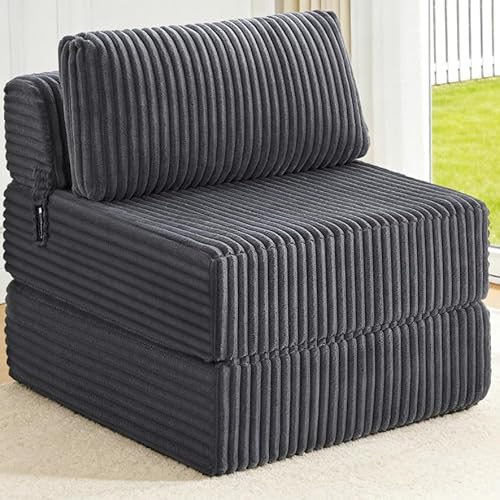
Lounger Bed Guide for Outdoor Relaxation
Discover how to choose, place, and care for a lounger bed that turns your patio into a true retreat.
START READINGWhy a lounger bed deserves careful thought: A lounger bed is one of the most rewarding outdoor purchases you can make — and one of the easiest to get wrong. It blends the comfort of an indoor daybed with the durability demands of an outdoor environment, so the choice involves more than picking a nice-looking frame. This guide covers the styles, materials, placement strategies, and care routines that help homeowners make a confident decision.
What Is a Lounger Bed?
A lounger bed is an outdoor seating piece that combines the reclining comfort of a lounger with the sprawl-friendly surface of a daybed. Where a standard lounge chair supports one person in a semi-upright or flat position, a lounger bed typically offers a wider platform — often large enough for two people to sit side by side, read, nap, or simply stretch out.
This hybrid nature is exactly why the category is popular with homeowners who want more from their patio than a row of upright chairs. A lounger bed becomes the anchor of a relaxation zone: it invites long afternoons, casual conversation, and the kind of unstructured time that makes an outdoor space feel like an extension of the home.
It is worth distinguishing a lounger bed from related pieces. A traditional lounger is generally narrower and built for solo reclining. A lounger sofa leans more toward seated conversation. The lounger bed sits between them: generous in surface area, relaxed in posture, and designed to be the most comfortable seat on the patio.
Types of Lounger Beds and Where They Fit
The category splits into a few practical sub-types. Knowing which one matches your space and habits narrows the field quickly.
Platform and Daybed-Style Loungers
These feature a flat or gently angled platform with a thick cushion, often with a low backrest at one or both ends. They work well in open patios and poolside settings where a low, clean silhouette suits the architecture. If your space leans modern or minimalist, a platform lounger bed is usually the most natural fit.
Reclining Lounger Beds
These add an adjustable backrest — sometimes multi-position, sometimes fully flat — so the piece can shift between reading posture and full recline. They are the most versatile option for households where the lounger bed needs to serve different people and different moods. The trade-off is more mechanical parts, so build quality matters more here than in simpler designs.
Canopy and Shade Loungers
A canopy lounger bed includes an integrated fabric hood or frame for shade. These are especially useful in sun-exposed patios or coastal settings where a fixed umbrella is impractical. If shade is a priority, they pair naturally with a broader shade plan using a large outdoor umbrella for the surrounding seating.
Convertible and Multi-Use Loungers
Some lounger beds convert between flat and seated configurations, or include a pull-out section that extends the surface. They suit patios that serve double duty — a quiet lounging spot by day, a casual seating area in the evening. Households that also need occasional guest sleeping arrangements sometimes look at a lounge sofa bed as a complementary piece.
Materials: Choosing for Climate and Longevity
Because a lounger bed spends its life outdoors, material choice determines how it ages far more than styling does. The frame, the cushion filling, and the fabric each play a distinct role.
Frame Materials
Aluminum remains the most practical frame material for outdoor lounger beds: it is light enough to move for cleaning or rearranging, and it resists corrosion well when finished properly. Powder-coated steel offers a more rigid, heavier feel and is common in premium and commercial-grade pieces, but it depends on a rust-proof finish to last. Teak and other hardwoods bring warmth and longevity, provided the wood is sealed periodically. Synthetic resin wicker over an aluminum core is a strong middle path — traditional in look, low in maintenance.
Cushions and Fill
Lounger beds live or die by their cushions. Quick-dry foam is the standard for outdoor use because it resists waterlogging and mildew. Removable, washable covers make seasonal maintenance far easier. For a deep lounger bed that stays outside year-round, look for drainage channels in the cushion core and breathable covers.
Fabrics
Solution-dyed acrylic and olefin are the most reliable outdoor fabrics, offering strong fade resistance and mildew tolerance. Lighter colors stay cooler in direct sun; darker tones hide minor soiling. If your lounger bed sits under a canopy or pergola, you have more flexibility, but UV-resistant fabric is still worth prioritizing.
Climate quick guide
Humid or coastal: aluminum or synthetic wicker with solution-dyed acrylic covers. Dry and sunny: powder-coated steel or sealed teak with UV-resistant fabric. Cold winters: lightweight aluminum frames that are easy to store, plus removable cushions.
Sizing and Placement for Comfort and Flow
A lounger bed is a large piece. Placed well, it becomes the centerpiece of the patio; placed poorly, it crowds circulation and feels out of scale. These principles help you get it right.
Measure the Footprint First
Allow at least 24 to 30 inches of clearance on the long sides and more at the foot of the bed for easy access. In smaller patios, an L-shaped arrangement with a low side table works better than a central placement that blocks walking paths.
Orient Toward the View or the Sun
Most lounger beds are oriented toward whatever the patio looks out on — a garden, a pool, or a fire feature. In sun-exposed spaces, angle the bed so the head end is in shade during the hottest hours, or pair it with a canopy or nearby umbrella.
Define the Zone
A lounger bed naturally creates a relaxation zone. Anchor it with an outdoor rug, a low side table, and perhaps a small planter. Keep it distinct from dining areas so each zone has a clear purpose. If your patio is part of a larger layout, a large outdoor table elsewhere on the patio helps separate dining from lounging.
Consider the Access Route
Lounger beds near doors or steps need enough room for people to pass comfortably, even when the bed is occupied or the cushions are being aired. A quick walk-through with a tape measure prevents the most common post-purchase regret.
Lounger Bed Types at a Glance
Use this comparison to match a lounger bed style to your space, usage pattern, and maintenance habits. Tier descriptions reflect relative market positioning, not any numeric figure.
| Lounger Bed Type | Best For | Tier Positioning | Key Consideration |
|---|---|---|---|
| Platform daybed | Minimalist patios, poolside | Entry-level to mid-range | Low frame must match nearby seating scale |
| Reclining lounger bed | Versatile daily use | Mid-tier | Check recline mechanism and lock |
| Canopy lounger bed | Sun-exposed patios, coastal areas | Mid-tier to premium | Confirm fabric UV rating and canopy stability |
| Wicker lounger bed | Traditional and coastal styles | Mid-range to premium | Prefer synthetic resin over natural wicker |
| Designer double lounger | Statement outdoor rooms | Luxury | Premium materials and weather coatings |
Lounger Bed Buying Checklist
These checks address the details most buyers only notice after the piece is already on the patio. Run through them before you commit.
- Weight capacity: Confirm the rating comfortably supports two adults if the bed is sized for shared use.
- Frame warranty: Structural coverage matters more on adjustable or canopy models with moving parts.
- Cushion attachment: Ties, straps, or hook-and-loop fasteners prevent cushion movement on breezy days.
- Cushion thickness: Thicker is not always better — quick-dry cores matter more than raw thickness.
- Assembly: Lounger beds vary widely in how much assembly is required. Check before ordering if tools are a concern.
- Weather coating: Powder-coated metal and sealed hardwood last noticeably longer than unfinished alternatives.
- Storage flexibility: If the bed will be stored seasonally, folding or stackable designs save significant effort.
If you plan to coordinate the lounger bed with other seating, our guide to matching outdoor dining and conversation sets explains how to align finishes without buying a full bundle. The materials guide is also useful for comparing durability across frame types.
Caring for a Lounger Bed
A well-maintained lounger bed can serve comfortably for many seasons. The routine is simple but worth keeping consistent.
- Weekly: Brush off debris, wipe frames, and shake cushions to prevent moisture buildup.
- Monthly: Check fasteners, recline mechanisms, and canopy hardware for early signs of wear.
- Seasonally: Deep-clean cushion covers according to the fabric care label and reseal wood frames if applicable.
- Before winter: Remove cushions, store them indoors, and cover or move the frame to shelter if freezing is a risk.
Small habits prevent big replacements. A minor split in a weld or an early mildew patch is a repair when caught soon; caught late, it becomes a full replacement. For broader weather-specific guidance, see our longest lasting outdoor furniture material comparison.
Frequently Asked Questions
Is a lounger bed the same as a daybed?
They overlap, but a lounger bed typically emphasizes recline and outdoor durability, while a daybed emphasizes seated lounging. Many outdoor lounger beds function as daybeds and vice versa.
Can a lounger bed stay outside all year?
Aluminum and synthetic wicker frames can typically remain outside with covers, but cushions should be stored during wet or freezing months. Wood frames benefit from seasonal sealing and shelter.
How much space does a lounger bed need?
Plan for at least 24 to 30 inches of clearance on the long sides and additional room at the foot. In small patios, an L-shaped placement against a wall or railing maximizes usable space.
What cushion material is best for a lounger bed?
Quick-dry foam with removable, solution-dyed acrylic covers is the most reliable combination for outdoor use. Look for drainage channels and mildew-resistant treatment.
Should a lounger bed match other patio furniture?
It does not need to match exactly, but shared finishes, material families, and one or two visual cues help the patio feel cohesive. Coordinating with nearby seating is usually enough.
Final Thoughts
The right lounger bed is the one that fits your space, your climate, and how you actually use your patio. Start with the role the piece will play — solo retreat, shared relaxation, or shaded lounging — then narrow by frame material, cushion quality, and footprint. When those align, the lounger bed stops being an outdoor purchase and becomes the spot you gravitate toward every weekend.
If you are still mapping out the wider space, pair this guide with our lanai patio layout ideas or the lounge chairs collection to build a complete outdoor plan. For covered patios, the large outdoor dining table with umbrella hole guide can help balance lounging with dining in a shared layout.