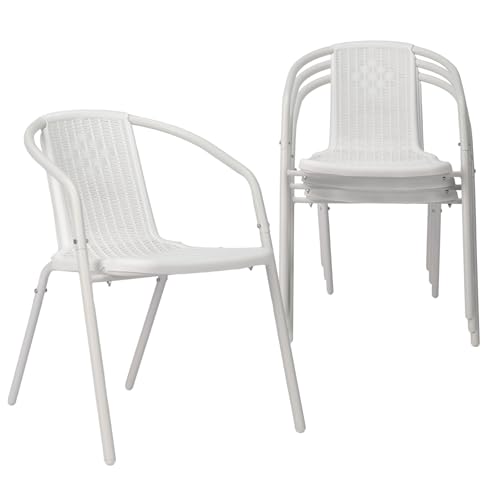
Outdoor Chairs Made From Recycled Plastic
Eco-friendly seating that combines sustainability, weather resistance, and long-term durability. Learn how recycled plastic chairs are made, what to look for, and which tier fits your patio.
Why recycled plastic deserves a place on your patio: Outdoor chairs made from recycled plastic offer a practical answer to a common dilemma — wanting durable, low-maintenance outdoor furniture without relying on freshly harvested timber or energy-intensive metals. Modern recycled poly lumber transforms post-consumer and post-industrial plastic waste into solid, weather-resistant seating that holds up season after season. This guide walks you through the material, the construction, the styles, and the buying considerations so you can make a confident, informed choice.
What Are Outdoor Chairs Made From Recycled Plastic?
Recycled plastic outdoor chairs are built primarily from recycled high-density polyethylene (HDPE), often sourced from milk jugs, detergent bottles, and industrial plastic scrap. The plastic is cleaned, melted, and extruded or molded into lumber-like boards — commonly called poly lumber or recycled plastic lumber — which are then assembled into chair frames, seats, and backrests. Some models use injection-molded recycled plastic shells, while others combine recycled plastic slats with powder-coated metal frames.
The appeal is straightforward: plastic does not absorb water, does not rot, and is naturally resistant to termites and other wood-boring insects. When manufacturers add UV stabilizers and fade-resistant pigments, the result is seating that can stay outdoors year-round with minimal attention — a genuine advantage for homeowners who want their patio to look good without constant upkeep.
How Recycled Plastic Chairs Are Made
The production process is what gives these chairs their environmental story and their physical properties. Understanding it helps you evaluate quality claims when comparing products.
- Collection and sorting: Post-consumer and post-industrial plastics are gathered and separated by type. HDPE is the most common feedstock because it is durable, easy to reprocess, and widely available.
- Cleaning and shredding: The sorted plastic is washed to remove labels and residue, then shredded into flakes or pellets.
- Melting and extrusion: The flakes are melted and extruded into continuous boards or injected into molds. Color pigments and UV stabilizers are typically blended in at this stage so the color runs through the material rather than sitting on the surface.
- Fabrication and assembly: Boards are cut, routed, and assembled into chair components. Hardware — usually stainless steel or coated steel — joins the pieces. Higher-tier manufacturers use reinforced joinery and thicker profiles for added rigidity.
- Finishing: Some chairs receive a brushed or wood-grain texture for a more natural look. Others are left smooth. No painting or sealing is required afterward.
Key Benefits of Recycled Plastic Outdoor Chairs
Homeowners researching this category usually care about three things: how long the chair will last, how much maintenance it demands, and whether it genuinely delivers on its eco-friendly promise. Recycled plastic scores well on all three when you choose a well-made product.
- Weather resistance: Unlike wood, recycled plastic does not absorb moisture, so it will not swell, warp, crack, or rot. It handles rain, humidity, and temperature swings without the seasonal sealing that timber requires.
- Low maintenance: A periodic wash with mild soap and water is usually all that is needed. No staining, no oiling, no sanding.
- Insect and pest resistance: Termites and carpenter bees have no interest in plastic, which makes these chairs a sensible choice in regions where wood furniture is vulnerable.
- Environmental value: Each chair diverts a meaningful amount of plastic waste from landfills. The material is also often recyclable again at the end of its life, closing the loop further.
- Color retention: Pigments blended throughout the material resist fading better than surface-painted finishes. Mid-range and premium chairs with UV stabilizers hold their appearance particularly well.
- Weight and stability: Recycled plastic chairs are substantial enough to stay in place on windy decks, yet manageable enough to rearrange when you entertain.
Popular Styles and Configurations
Recycled plastic is a versatile material, and manufacturers have adapted it to nearly every outdoor seating format. The right style depends on how you use your patio — casual lounging, dining, or entertaining.
Adirondack Chairs
The classic deep-seat, wide-arm silhouette is one of the most common recycled plastic formats. These chairs are ideal for fire pit circles, lawns, and casual conversation areas. Their slatted construction suits the material well, and the generous proportions make them a favorite for relaxation. If this style appeals to you, explore our outdoor Adirondack chair guide for a deeper look at sizing and placement.
Dining and Bistro Chairs
Recycled plastic dining chairs often pair a molded or slatted seat with a sturdy frame. They work well around a matching table for everyday meals and casual gatherings. For compact spaces, a recycled plastic bistro chair set can anchor a small balcony or breakfast nook without overwhelming the area.
Lounge and Club Chairs
Deeper, lower-slung lounge chairs made from recycled plastic offer a more contemporary look. Many are designed with thicker cushions, though the plastic frame itself remains the weather-resistant core. These suit poolside settings and covered porches where comfort is the priority.
Bar-Height and Counter-Height Chairs
Recycled plastic is increasingly used for taller seating around outdoor bars and counter tables. The material’s rigidity supports the taller frame geometry well. If you are outfitting a bar area, our outdoor bar stools with backs overview can help you match seat height to your table.
Benches and Bench Seating
Recycled plastic benches bring the same weather resistance to shared seating. They are a practical option for garden borders, entryways, and dining areas that need flexible seating. Browse outdoor bench seats for styles that coordinate with recycled plastic chairs.
Understanding Quality Tiers
Not all recycled plastic chairs are built to the same standard. The category spans a wide range, from lightweight hollow-shell designs to dense, furniture-grade poly lumber construction. The table below outlines the tiers you will encounter so you can align your expectations with the product you are evaluating.
| Tier | Typical Construction | Best For |
|---|---|---|
| Entry-level | Hollow or thin-walled molded plastic; lighter frames; basic UV protection | Occasional use, seasonal setups, renters, and casual seating |
| Mid-range | Solid poly lumber slats or thicker molded shells; stainless hardware; UV-stabilized color | Everyday patio use, family seating, and mixed-material outdoor spaces |
| Premium | Dense, heavy-duty poly lumber; reinforced joinery; commercial-grade hardware; refined textures | Full-time outdoor exposure, high-use households, and design-forward patios |
| Luxury / Commercial-grade | Furniture-grade recycled polymer blends; precision joinery; long warranties; designer finishes | Hospitality settings, premium residential projects, and long-term investment |
A practical rule of thumb: mid-range chairs usually offer noticeably smoother edges, tighter joinery, and more consistent color than entry-level models. Premium and commercial-grade options add further refinements in density and finish, but the mid-range tier is where most homeowners find the best balance of durability and design.
What to Check Before You Buy
When you have narrowed your shortlist, run through these checks to avoid surprises after delivery.
- Recycled content disclosure: Look for brands that state the percentage of post-consumer or post-industrial recycled material. Transparent sourcing is a good signal of overall quality.
- UV stabilization: Confirm that UV inhibitors are part of the formulation. This is the single biggest factor in how well the color holds up over time.
- Hardware quality: Stainless steel or coated steel fasteners resist corrosion far better than untreated metal. Check the hardware specification, especially if your patio is coastal.
- Weight and stability: Heavier chairs stay put in wind. If you have a windy deck, favor denser solid poly lumber over hollow shells.
- Seat height and dimensions: Measure your table height and available space before ordering. Bar-height and counter-height seating are not interchangeable, and chair depth matters in tight areas.
- Assembly requirements: Most chairs ship flat-packed or partially assembled. Verify what tools you will need and whether the brand offers pre-assembled options.
- Warranty: A meaningful warranty signals manufacturer confidence. Compare coverage lengths and what the warranty actually covers — structural integrity, color retention, or both.
Caring for Recycled Plastic Chairs
One of the strongest arguments for this material is how little it asks of you. Routine care is simple:
- Wash with mild soap and water using a soft brush or cloth. Avoid abrasive pads that can dull the surface.
- Rinse after cleaning and allow to air dry. No sealing or oiling is required.
- For stubborn marks, a diluted vinegar solution or a manufacturer-approved cleaner is usually sufficient.
- Store cushions separately during off-season months, and consider a breathable cover if the chairs sit unused for long periods.
- In coastal environments, rinse hardware occasionally to remove salt buildup and extend fastener life.
Explore Related Outdoor Seating
Recycled plastic chairs sit within a broader category of durable outdoor seating. If you are still comparing materials or layouts, these guides can help you round out your plan:
Frequently Asked Questions
Are outdoor chairs made from recycled plastic durable?
Yes. Quality recycled plastic chairs are engineered to resist moisture, UV rays, rot, and insects. High-grade recycled poly lumber often outlasts untreated wood and requires less maintenance than traditional materials.
Do recycled plastic outdoor chairs fade in the sun?
Reputable manufacturers add UV stabilizers and color pigments throughout the material, not just on the surface. Mid-range and premium chairs generally hold color well, though all outdoor materials experience some gradual fading over many seasons of direct sun exposure.
How heavy are recycled plastic patio chairs?
Recycled plastic chairs are typically heavier than aluminum but lighter than solid concrete. The weight actually helps them stay put in windy conditions. Entry-level hollow designs are lighter, while solid poly lumber chairs are denser and more substantial.
Do recycled plastic chairs require assembly?
Many models ship partially assembled or flat-packed with basic hardware. Assembly is usually straightforward with common tools. Higher-tier brands often pre-assemble major sections to simplify setup.
Ready to Choose Your Seating?
Recycled plastic outdoor chairs are a smart choice for homeowners who want durable, weather-resistant seating with a lower environmental footprint. By focusing on construction quality, UV stabilization, and the right style for your space, you can invest in chairs that will serve your patio comfortably for years. Browse the recommended options below to compare specific models and features.