Outdoor Dining Set with Chairs and Bench: The Complete Buyer's Guide
Everything you need to know before choosing a bench-and-chair dining set for your patio, deck, or backyard — seating layouts, materials, durability, care, and how to match the set to your space.
Explore Recommended SetsWhy this guide matters: An outdoor dining set with chairs and bench is one of the most practical furniture investments a homeowner can make. It blends the social warmth of bench seating with the individual comfort of chairs, and it often seats more people than an all-chair set of the same footprint. This guide walks you through the decisions that actually matter — layout, material, climate fit, and long-term care — so you can choose with confidence.
What Makes a Bench-and-Chair Dining Set Different
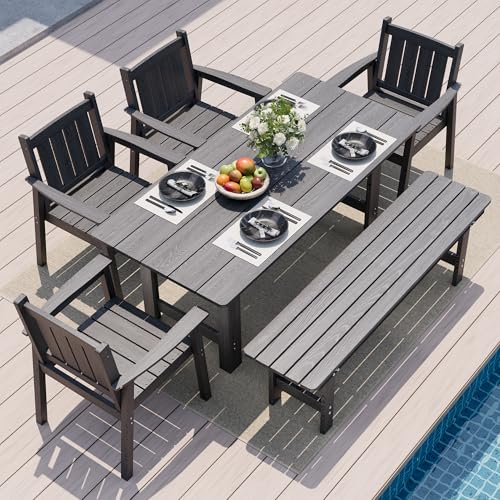
Most patio dining furniture follows one of three layouts: all chairs, all benches, or a hybrid set with a bench on one side and chairs on the other. The hybrid layout — the outdoor dining set with chairs and bench this guide focuses on — is popular for good reason. The bench side lets children and larger groups sit together comfortably, while the chair side gives adults individual back support and the ability to push back from the table.
Compared with an all-chair set, a bench configuration typically seats one to two more people per table length. It also creates a cleaner visual line, because benches slide completely under the tabletop when not in use. That makes bench sets especially useful on compact patios, where every square foot of walking space counts.
The trade-off is flexibility. A bench seat is shared, so one person shifting position affects neighbors. Chairs adjust individually and are easier for guests with mobility concerns. The hybrid layout solves this by offering both — bench seating on one long side and chairs on the opposite side or at the table ends.
Seating Layouts: How Many People Will You Seat?
Before comparing materials, map out your realistic guest count. Most bench-and-chair sets fall into three common configurations:
- Four-seat layout: A rectangular or round table with one bench and two chairs. Ideal for couples and small families, and the most space-efficient option for balconies and compact patios.
- Six-seat layout: A longer rectangular table with one bench on the long side, three or four chairs on the opposite side, and optionally end chairs. This is the most common family configuration and works well for casual entertaining.
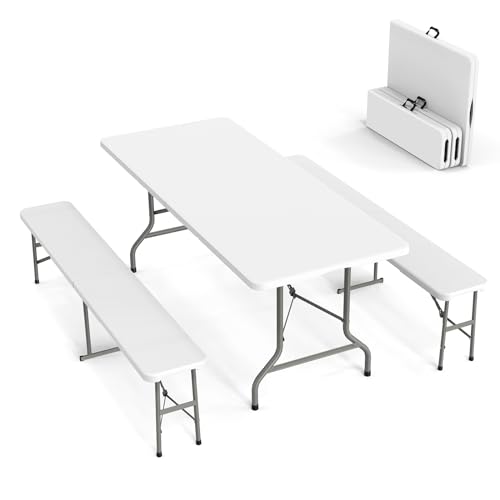
- Eight-seat and larger layouts: Long tables with benches on both long sides plus end chairs. Best for homeowners who host frequently and have a dedicated dining zone. Consider an extendable outdoor dining table and chairs if your guest count varies.
If your outdoor dining area is tight, a small dining table set for 4 with bench is a smart starting point. If you have a full-size patio and host larger groups, a 6-piece farmhouse dining set with bench delivers the classic bench-and-chair feel with more room.
Materials Compared: Wood, Aluminum, Resin, and Metal
Material choice determines how your set ages, how much maintenance it needs, and how well it matches your climate. Here is a practical comparison of the materials most commonly used for bench-and-chair dining sets.
| Material | Best For | Durability Profile | Maintenance Level | Market Tier |
|---|---|---|---|---|
| Cedar & Pine | Classic, rustic, and farmhouse looks | Solid build; benefits from annual sealing | Moderate — seal and oil yearly | Entry-level to mid-range |
| Teak & Hardwood | Long-term investment pieces | Naturally weather-resistant; ages gracefully | Low to moderate — occasional oiling | Premium to luxury |
| Powder-Coated Aluminum | Humid, coastal, and rainy climates | Rust-proof finish; lightweight yet rigid | Low — wipe clean | Mid-range to premium |
| Resin & Poly Lumber | Low-maintenance family use | Weather-resistant; resists moisture and UV | Very low — soap and water | Essential to mid-tier |
| Wrought Iron & Steel | Traditional and ornamental styles | Heavy-duty; needs rust care in wet climates | Moderate — touch up coating | Mid-range to high-end tier |
Wood sets
Wood remains the most popular choice for bench-and-chair dining sets because the bench itself is a wood-native concept. Cedar and southern yellow pine are common in entry-level and mid-range sets; both are sturdy and easy to refinish. Teak and other hardwoods sit in the premium and luxury tiers, offering decades of service with minimal intervention. If you like the picnic-table aesthetic, a 72-inch southern yellow pine rectangle picnic table is a strong anchor piece.
Aluminum sets
Powder-coated aluminum is the best all-around choice for humid and coastal climates. The coating is a rust-proof finish, and the frame stays light enough to reposition before a storm. A mid-range aluminum set typically offers smoother frame joints and better welds than an entry-level model, which shows in long-term stability.
Resin and poly sets
Resin furniture has improved dramatically. High-grade resin resists moisture, UV fading, and insect damage with almost no maintenance. It is an efficient long-term choice for families who want a set they can hose down and forget. A resin outdoor dining table with umbrella hole pairs well with resin benches and chairs for a fully weather-ready setup.
Metal sets
Wrought iron and steel deliver a traditional, ornamental look and heavy-duty stability. The trade-off is weight and rust care. In dry climates, a 5-piece wrought iron patio dining set can last for decades. In wet climates, look for a powder-coated wrought iron patio furniture finish and plan to touch up any chips promptly.
Table Shape and Size: Rectangular, Round, or Oval
Bench seating pairs most naturally with rectangular tables, because a straight bench follows the straight table edge. A rectangular outdoor dining table and chairs with umbrella hole is the most common configuration and gives you the most seating per linear foot.
Round tables work with curved benches or a mix of one curved bench and several chairs. A white round outdoor table with umbrella hole is a friendly choice for smaller groups because everyone can see everyone. Oval tables offer a middle ground: the long axis accommodates a bench, while the rounded ends soften the look and improve traffic flow around the table.
Whatever the shape, confirm the table has a pre-drilled umbrella hole if you plan to add shade. A white resin patio table with umbrella hole and a 11 ft cantilever patio umbrella with base make a practical pairing for sunny dining zones.
Comfort Details Most Buyers Overlook
Bench seating is only comfortable when a few details are right. Pay attention to these before you commit:
- Bench depth and height: A bench seat depth of roughly 14 to 16 inches and a seat height of 17 to 18 inches suits most adults at a standard 28 to 30 inch dining table. Benches that are too deep encourage slouching; too shallow, and they feel unstable.
- Contoured seat tops: Flat planks are traditional but firm. Slightly contoured bench tops distribute weight better and reduce pressure points during long meals.
- Cushion compatibility: Many benches accept a thin bench pad, and chairs benefit from seat cushions. Coordinate with a patio chair cushion set of 4 for a unified look.
- Back support on chairs: Since the bench side has no backrest, the chairs on the opposite side carry the comfort load. Look for chairs with a slight recline and supportive back angle. A set of outdoor wicker dining chairs set of 4 can upgrade a basic table.
- Table apron clearance: Make sure the table apron does not press against knees when seated on the bench. A deeper apron looks substantial but reduces legroom.
Weather Resistance and Climate Fit
Your climate should drive the material decision more than any other factor. In coastal and humid regions, choose aluminum or high-grade resin and prioritize a rust-proof finish on any metal hardware. In dry, sunny climates, wood and powder-coated metal both perform well, though UV-stable finishes matter for anything left in direct sun.
In freezing climates, benches and chairs that stay outdoors year-round should be weather-resistant and easy to cover. If you plan to store the set during winter, lighter aluminum and resin sets are far easier to move than solid wood or wrought iron. A large waterproof outdoor storage container can hold cushions and small accessories between seasons.
For guidance on seasonal protection, see our winter storage guide and our broader weatherproofing guide.
How to Choose the Right Bench-and-Chair Set for Your Space
Work through these decisions in order. Each one narrows the field quickly:
- Step 1 — Count seats. Decide your everyday guest count and add two for flexibility. This sets the table length and bench configuration.
- Step 2 — Measure the footprint. Mark the table outline on your patio with tape, then add chair pull-out space. Benches need less rear clearance, which often makes a bench set the only option that fits.
- Step 3 — Match material to climate. Humid or coastal: aluminum or resin. Dry and sunny: wood or powder-coated metal. Mixed seasons with storage: aluminum or resin for portability.
- Step 4 — Decide on shade. If the table sits in full sun, choose a model with an umbrella hole or plan a cantilever umbrella that reaches over the table without a center pole.
- Step 5 — Confirm care commitment. Wood needs annual sealing; resin and aluminum need occasional cleaning. Be honest about the maintenance you will actually do.
If you want a quick comparison of a few complete configurations, a 5-piece outdoor table and chair set and a bar dining set are useful reference points for layout and proportions. For a more compact option, a 3-piece bistro set with umbrella hole shows how small a functional dining footprint can be.
Care and Maintenance for Bench Dining Sets
Bench-and-chair sets age well when maintained on a simple seasonal rhythm:
- Monthly during use: Wipe down the table and bench with mild soap and water. Check joints and fasteners for looseness.
- Seasonally: Inspect wood for dryness and apply a sealer or oil as recommended. Touch up any powder-coating chips on metal frames to prevent corrosion.
- Before winter: Clean and fully dry the set, bring cushions indoors, and cover with a breathable waterproof cover. A patio table cover with umbrella hole zipper protects the table without removing the umbrella.
- Annually: Tighten hardware, inspect bench planks for splinters or cracks, and refresh protective finishes.
For a broader maintenance checklist, see our outdoor care section. If you keep pets around the dining area, our pet-friendly outdoor tips cover scratch protection and fabric choices.
Common Buying Mistakes to Avoid
- Choosing the table before measuring the space. Always tape out the footprint, including chair pull-out clearance, before buying.
- Ignoring bench height. A bench that is too high or too low relative to the tabletop ruins the dining experience for everyone on that side.
- Underestimating rust risk. In wet climates, unprotected steel hardware corrodes quickly. Confirm rust-proof finishes on all fasteners, not just the frame.
- Skipping the umbrella hole. Adding shade later is much harder without a pre-drilled hole. If the table sits in sun, plan for it now.
- Forgetting storage. Cushions and bench pads need somewhere dry to live. Factor in a storage box or indoor space before you buy.
Frequently Asked Questions
Is an outdoor dining set with chairs and bench better than an all-chair set?
A bench and chair combination seats more people per table length and creates a cozy picnic feel, while an all-chair set offers individual adjustability. Many families prefer the mixed layout because benches are easy to slide under the table and work well for children.
What material is best for an outdoor dining set with bench?
Solid wood such as cedar or teak, powder-coated aluminum, and high-grade resin are all strong choices. Wood delivers a classic look, aluminum resists rust and stays light, and resin handles moisture with minimal maintenance. Match the material to your climate and storage habits.
How many people can a bench and chair dining set seat?
Most rectangular sets with one bench and several chairs seat four to six adults. Longer tables with two benches plus end chairs can seat eight or more. Always check the manufacturer's recommended seating count and the table's usable length.
Do bench dining sets work on small patios?
Yes. Benches tuck fully under the table and free up walking space, which makes them ideal for compact patios and balconies. A small table with a bench and two chairs is one of the most space-efficient layouts available.
How do I protect an outdoor dining set with bench in winter?
Clean and dry the set, apply a wood sealer or touch up powder coating as needed, and use a fitted waterproof cover. Store cushions indoors. In freezing climates, bring lighter aluminum or resin sets inside if space allows.
Ready to Compare Bench-and-Chair Dining Sets?
Browse our curated selection of outdoor dining sets with chairs and benches, chosen for solid construction, sensible layouts, and weather-ready finishes.
View Recommended Sets