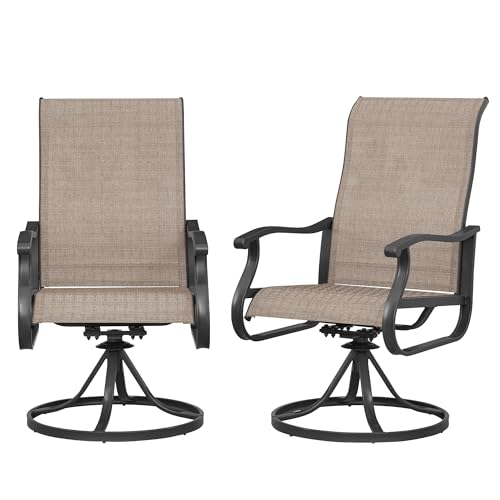
Outdoor Swivel Rockers: The Complete Buying Guide
Discover how to choose the perfect motion seating for your patio. From smooth swivel mechanisms to weather-resistant materials, everything you need to make an informed decision.
Start ReadingWhy outdoor swivel rockers? These chairs combine the gentle motion of a rocker with the versatility of a full 360-degree swivel, making them ideal for conversation-friendly patios, decks, and poolside lounges. Whether you are outfitting a new outdoor space or upgrading tired seating, this guide covers the materials, mechanisms, and design considerations that matter most.
What Makes a Great Outdoor Swivel Rocker?
Swivel rockers are more than just chairs that move. They are a blend of engineering, comfort, and outdoor resilience. A quality swivel rocker should feel stable when stationary, move smoothly through its full range of motion, and withstand the elements season after season. The best models excel in three key areas: frame durability, mechanism smoothness, and cushion comfort.
Frame Durability
High-grade aluminum and powder-coated steel resist rust and corrosion. Look for welded joints, reinforced stress points, and finishes rated for outdoor exposure.
Swivel Mechanism
Sealed ball bearings and reinforced steel plates provide smooth rotation and rocking. Premium mechanisms are tested for thousands of cycles without loosening.
Cushion Comfort
Solution-dyed acrylic or olefin fabrics resist fading and mildew. High-density foam with quick-dry cores keeps cushions comfortable and dry after rain.
Stability & Safety
A wide base and low center of gravity prevent tipping. Check weight capacity ratings and ensure the rocker has a secure locking mechanism if needed.
Understanding the Motion: Swivel vs. Rock vs. Glide
Outdoor motion furniture comes in several configurations, and understanding the differences helps you choose the right fit for your lifestyle. A swivel rocker offers two distinct motions: a full 360-degree rotation and a gentle back-and-forth rock. This combination is ideal for open seating arrangements where guests want to turn toward each other or face different areas of the yard. A glider, by contrast, moves horizontally forward and backward on a fixed track, providing a smoother, more linear motion without rotation. If you prefer a calm, repetitive glide and do not need directional flexibility, a glider may suit you better. For those who want a stationary option with a hint of movement, a standard outdoor swivel chair without the rocking function is a simpler choice. Many homeowners pair swivel rockers with a outdoor side table to create a complete conversation set, and some models are designed as part of a matching set of two for a cohesive look.
Materials Matter: What to Look For
The materials used in your swivel rocker determine how long it lasts and how well it handles weather. Here is a breakdown of the most common frame and cushion materials:
| Material | Best For | Key Characteristics |
|---|---|---|
| Aluminum | Year-round outdoor use | Lightweight, rust-proof, powder-coated finishes, ideal for coastal areas |
| Powder-Coated Steel | Stability and durability | Heavier weight, strong frame, requires occasional rust checks if scratched |
| Wicker / Rattan | Traditional and coastal styles | UV-resistant synthetic weaves over aluminum frames, comfortable and stylish |
| Teak / Hardwood | Natural, rustic aesthetics | Dense grain, naturally weather-resistant, may need periodic oiling |
| Solution-Dyed Acrylic | Cushion fabrics | Fade-resistant, mildew-resistant, quick-drying, long-lasting color |
| Olefin | Cushion fabrics (mid-range) | Good moisture resistance, colorfast, softer hand feel |
Quality Tiers: What to Expect at Each Level
Outdoor swivel rockers are available across a range of quality tiers. Understanding what each tier offers helps you align your expectations with the product you choose. The descriptors below reflect relative market positioning and build quality, not specific figures.
| Tier | Best For | Typical Characteristics |
|---|---|---|
| Entry-Level | Occasional use, covered patios | Standard steel frames, basic swivel mechanisms, thinner cushions, shorter warranty periods |
| Mid-Range | Regular outdoor use, family patios | Aluminum or reinforced steel frames, smoother swivel bearings, denser foam, solution-dyed fabrics |
| Premium | Year-round exposure, high-traffic decks | Heavy-duty aluminum or teak frames, sealed swivel mechanisms, high-resilience cushions, extended warranties |
| Luxury | Designer outdoor spaces, commercial-grade | Custom finishes, precision-engineered motion systems, premium quick-dry cushions, exceptional durability and craftsmanship |
When comparing tiers, consider that mid-range models typically offer a noticeable improvement in swivel smoothness and cushion longevity over entry-level options, while premium and luxury tiers focus on refined motion control, superior materials, and extended service life. For many homeowners, the mid-range tier provides the best balance of performance and durability for everyday outdoor living.
Key Features to Evaluate Before You Buy
Buying Checklist
- Swivel range: Most models offer full 360-degree rotation, but some are limited to 180 degrees. Full rotation is better for open seating arrangements.
- Rocking motion: Test the rock for smoothness and stability. A quality rocker should have a consistent, gentle motion without creaking or wobbling.
- Weight capacity: Check the manufacturer's rating. Standard models support 250–350 pounds; heavy-duty options support more.
- Frame finish: Powder-coated finishes resist chipping and fading. Look for double-coated or marine-grade finishes for coastal areas.
- Cushion attachments: Straps, ties, or hook-and-loop fasteners keep cushions in place during windy conditions.
- Assembly requirements: Some models require partial assembly. Check whether tools are included and how complex the process is.
- Warranty coverage: Frame warranties typically range from 1 to 5 years; premium models may offer longer coverage on frames and mechanisms.
Advantages of Swivel Rockers
- Two motions in one chair: rotation and rocking
- Ideal for conversation-friendly seating arrangements
- Easy to get in and out of for guests with mobility considerations
- Adds a dynamic, relaxing element to outdoor spaces
- Available in a wide range of styles and materials
Considerations
- Requires more clearance space for rocking motion
- Swivel mechanisms can wear over time in entry-level models
- Heavier than stationary chairs, making them harder to move
- May need periodic lubrication for smooth operation
- Some models have limited weight capacity ratings
How to Integrate Swivel Rockers into Your Patio Design
Swivel rockers work best when they are part of a cohesive outdoor layout. Because they rotate, they are particularly well-suited for circular or semi-circular seating arrangements around a fire pit, coffee table, or conversation area. Pair them with a table with a built-in fire pit for a cozy evening setup, or place two rockers opposite a patio sofa to create a balanced seating group. If you have a complete outdoor setting, adding one or two swivel rockers can introduce motion without disrupting the overall design. For smaller spaces, a compact swivel rocking chair with cushions offers comfort without overwhelming the area. Consider pairing rockers with outdoor string lights and a side table to complete the look and feel of a relaxing retreat.
Ready to Explore Your Options?
Browse our curated selection of outdoor swivel rockers and find the right fit for your patio, deck, or porch.
View Recommended ProductsFrequently Asked Questions
A swivel rocker combines two motions: a full 360-degree rotation and a gentle back-and-forth rocking motion. A glider moves horizontally forward and backward on a fixed track, offering a smoother, more linear motion without rotation. Swivel rockers give you more directional flexibility, making them ideal for conversational seating arrangements, while gliders are often preferred for a calm, repetitive motion.
Durability depends on the materials and construction. High-grade aluminum frames with powder-coated finishes resist rust and corrosion well. Premium swivel mechanisms use sealed bearings or reinforced steel plates that withstand outdoor exposure. Fabrics should be solution-dyed acrylic or olefin, which resist fading, mildew, and moisture. Entry-level models may use standard steel hardware that requires more maintenance. Always check the warranty and weather-resistance ratings before purchasing.
Measure your available space and account for the rocking motion, which requires clearance behind and in front of the chair. A typical swivel rocker needs about 36 to 42 inches of depth to rock safely without hitting walls or other furniture. For small balconies or tight decks, look for compact models with a smaller footprint. Always leave at least 24 inches of walking space between chairs for comfortable movement.
Many premium and mid-range models are designed for year-round outdoor use, especially those with aluminum frames and solution-dyed fabrics. However, extreme weather conditions such as heavy snow, ice, or prolonged direct sunlight can accelerate wear. Using a fitted furniture cover during off-seasons and extreme weather will extend the life of the swivel mechanism, cushions, and frame finish. Entry-level models may need to be stored or covered more diligently.
Most quality outdoor swivel rockers support between 250 and 350 pounds. Premium and commercial-grade models often support 400 pounds or more, with reinforced frames and heavy-duty swivel bases. Always check the manufacturer's specified weight capacity, as exceeding it can damage the swivel mechanism and compromise safety. If you need a higher capacity, look for models explicitly rated for heavier users.
Regular maintenance keeps the swivel smooth and extends its lifespan. Clean the mechanism area with a damp cloth to remove dirt and debris, then apply a silicone-based lubricant to the moving parts every few months. Avoid using oil-based lubricants, which attract dust. Check for loose bolts and tighten them as needed. If the swivel becomes stiff or wobbly, inspect the bearings or plates for wear and replace them if necessary.