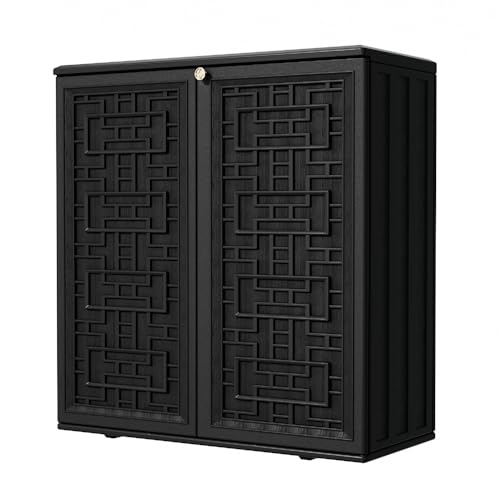
Outdoor Waterproof Storage Cabinet with Shelves: The Complete Buying Guide
Quick summary: An outdoor waterproof storage cabinet with shelves protects cushions, tools, grill accessories, and electronics from rain, UV, and temperature swings. The right choice depends on climate, what you store, and how much space you have. This guide explains materials, shelf configurations, placement, and maintenance so you can choose with confidence.
If you have ever lugged wet cushions into the garage after a sudden downpour, you already understand the value of a dedicated outdoor storage cabinet. A waterproof cabinet with shelves keeps your patio essentials dry, organized, and within reach — without turning your living room into a drying rack. But not all cabinets are created equal, and the phrase “waterproof” is used loosely in the marketplace.
This guide walks you through the practical details: what “waterproof” actually means, which materials perform best in wet and sunny climates, how shelf layouts affect usability, and how to place and maintain the cabinet so it lasts for years. By the end, you will know exactly which type of cabinet fits your patio, your climate, and your storage needs.
What “Waterproof” Really Means for an Outdoor Cabinet
In outdoor furniture, “waterproof” and “water-resistant” are often used interchangeably, but they describe different levels of protection. A water-resistant cabinet sheds rain and splashes but may allow moisture inside during prolonged storms or high humidity. A truly waterproof cabinet uses sealed gaskets, overlapping door edges, and a raised base to keep water out even in heavy rain.
For most homeowners, a well-built weather-resistant cabinet is sufficient for everyday patio use. If you store electronics, paper goods, or high-value cushions, look for models explicitly described as waterproof with sealed door gaskets and a tight-fitting lid or door. Also consider ventilation: a completely sealed cabinet can trap condensation, so some designs include small vents or breathable panels to balance water protection with airflow.
Key waterproofing features to look for
- Sealed gaskets around doors and lids to block wind-driven rain.
- Overlapping or interlocking door edges that channel water away from the interior.
- Raised base or feet to keep the cabinet off wet ground and allow air circulation.
- Sloped tops so water runs off rather than pooling.
- Rust-proof hardware such as stainless steel hinges and latches.
Materials: Which Cabinet Stands Up to the Outdoors?
The material determines durability, maintenance, and appearance. Here is how the most common options compare for an outdoor waterproof storage cabinet with shelves.
| Material | Best For | Durability & Care |
|---|---|---|
| High-density polyethylene (HDPE) / Resin | Wet climates, coastal areas, low-maintenance patios | Never rusts or rots; UV-stabilized versions resist fading. Wipe clean with soap and water. Top-tier for weather resistance. |
| Powder-coated galvanized steel | Security-focused storage, tools, heavy items | Strong and lockable; powder coating resists rust. Inspect for scratches and touch up as needed. Mid-range to premium. |
| Marine-grade HDPE | Premium patios, harsh sun and salt spray | Exceptional UV and moisture resistance; color goes through the material. Minimal care. Luxury tier. |
| Wood (teak, cedar) with sealant | Design-focused patios, covered areas | Beautiful but requires annual sealing. Not ideal for direct rain unless specifically treated. Mid-range to premium. |
| Thin resin or painted steel | Light use, covered porches | Entry-level option; may warp, fade, or rust over time. Suitable for seasonal or sheltered use. |
For most patios exposed to rain and sun, resin or HDPE is the safest choice. If you need to secure tools or electronics, powder-coated steel adds lockable protection. Wood is best reserved for covered areas where its appearance can be appreciated without constant moisture exposure.
Shelf Layouts: Vertical vs. Horizontal Configurations
The shelves inside the cabinet determine how usable the space really is. A single tall compartment is great for long-handled tools and folded umbrellas, while multiple shelves keep smaller items organized and accessible.
Common shelf configurations
- Adjustable shelves: The most flexible option. You can move shelves to accommodate tall items like propane tanks or stack smaller bins.
- Fixed shelves: Sturdy and simple, but less adaptable. Best when your storage needs are predictable.
- Half-shelf design: One side has shelves for small items, the other is open for tall items. A practical compromise for mixed storage.
- Vertical cabinet with tall shelves: Ideal for cushions, umbrellas, and folded chairs. Often called an outdoor vertical storage cabinet with shelves.
Think about what you will actually store. Cushions need wide, deep shelves. Grill tools and small accessories work well on narrower shelves. Long items like umbrellas and poles need at least one tall compartment. If your needs are mixed, an adjustable or half-shelf design is the most versatile.
For more ideas on keeping cushions dry and organized, see our guide to an outdoor waterproof storage box for cushions, which complements a shelf cabinet nicely.
Placement: Where the Cabinet Works Best
Even the best cabinet can fail if placed poorly. Follow these placement guidelines to maximize protection and lifespan.
- Choose a level, raised surface. A concrete patio slab or deck is ideal. Avoid direct soil, which holds moisture and invites pests.
- Keep it out of sprinkler spray. Constant wetting from irrigation accelerates wear and can force water into seams.
- Provide some shade. Partial shade reduces UV stress and temperature swings, especially for resin and wood cabinets.
- Anchor tall cabinets. Use the manufacturer’s anchoring kit to secure the cabinet to a wall or slab in windy areas.
- Leave a small gap from walls. A few inches of clearance improves airflow and prevents moisture buildup behind the cabinet.
If your patio is small, a vertical cabinet uses footprint efficiently. For tighter spaces, consider an outdoor vertical storage cabinet waterproof model that stacks storage upward without crowding the seating area.
What to Store (and What to Keep Elsewhere)
A waterproof cabinet with shelves is versatile, but not everything belongs inside. Here is a practical breakdown.
Good candidates for the cabinet
- Seat and back cushions (ensure they are fully dry before storing).
- Grill tools, brushes, and small accessories.
- Folded umbrellas and outdoor table linens.
- Gardening gloves, hand tools, and small pots.
- Outdoor games, candles, and lanterns.
- Weatherproof cabinets for electronics, such as a small speaker or charging station, if the cabinet is sealed and ventilated.
Keep these elsewhere
- Propane tanks (store in a well-ventilated, shaded area away from the cabinet).
- Pesticides and chemicals (follow label instructions; many require locked, ventilated storage).
- Damp items — always dry cushions and textiles before storing to prevent mildew.
For electronics and sensitive gear, look for a purpose-built solution such as outdoor weatherproof cabinets for electronics. These often include sealed cable ports and extra gasketing.
Maintenance: Keeping the Cabinet Waterproof Over Time
Even a well-sealed cabinet needs occasional attention. A simple seasonal routine keeps it performing for years.
Seasonal maintenance checklist
- Inspect gaskets and seals for cracks or compression. Replace worn gaskets promptly.
- Clean the exterior with mild soap and water; avoid abrasive cleaners that scratch coatings.
- Check hinges and latches for rust or looseness; lubricate metal parts lightly.
- Clear debris from the top and base to prevent water pooling and pest nesting.
- Touch up scratches on painted steel to prevent rust.
- Air out the interior on a dry day to release trapped moisture.
- Re-anchor or tighten fasteners before storm season.
If you also store furniture outdoors, our guide to outdoor waterproof material for garden furniture explains how to choose and care for weather-resistant pieces that pair well with your cabinet.
Size and Capacity: Matching the Cabinet to Your Patio
Measure before you buy. A cabinet that is too small leads to clutter; one that is too large can overwhelm a small patio. Consider these practical size categories.
- Compact (entry-level footprint): Fits a few cushions and small tools. Good for balconies and small patios.
- Mid-size: Accommodates a full set of dining cushions, grill tools, and a few accessories. The most common choice.
- Large / vertical: Holds deep-seating cushions, folded umbrellas, and seasonal items. Best for families or frequent entertainers.
Also check door clearance and shelf depth. Deep shelves hold more but can be harder to reach. Measure your largest cushion or storage bin and compare it to the cabinet’s interior dimensions before deciding.
Frequently Asked Questions
What does waterproof mean for an outdoor storage cabinet?
Waterproof implies the cabinet is designed to prevent water from entering the interior even during heavy rain or splashing. Look for sealed gaskets, overlapping doors, and raised bases. Many quality cabinets are also weather-resistant, meaning they resist moisture, UV, and temperature swings over long periods.
Which material is best for an outdoor waterproof cabinet with shelves?
Resin and high-density polyethylene are top-tier for wet climates because they never rust or rot. Powder-coated galvanized steel is excellent for security and structural strength. Marine-grade HDPE is premium and maintenance-free. Entry-level options often use thinner resin or painted steel, which need more care.
Can I keep cushions and electronics inside an outdoor storage cabinet?
Yes, if the cabinet is truly waterproof and well-ventilated. For cushions, ensure the interior stays dry and allows some airflow to prevent mildew. For electronics or small appliances, choose a cabinet with sealed doors and consider adding a desiccant pack; some models are purpose-built as weatherproof cabinets for electronics.
How should I place a waterproof outdoor cabinet with shelves?
Place it on a level, raised surface such as a patio slab or deck, not directly on soil. Keep it out of direct sprinkler spray and ensure the base is above standing water. If possible, position it in partial shade to reduce UV stress and temperature swings.
Do I need to anchor an outdoor storage cabinet?
Yes, especially in windy areas. Tall vertical cabinets can tip in strong gusts. Use the manufacturer’s anchoring kit to secure it to a solid wall, deck, or concrete slab. Anchor points are typically located on the back panel and base.
Putting It All Together
An outdoor waterproof storage cabinet with shelves is one of the most practical additions to any patio. It protects your investments, reduces clutter, and makes entertaining easier because everything is exactly where you need it. Focus on three decisions: material (resin or steel for most climates), shelf layout (adjustable or half-shelf for flexibility), and placement (level, raised, and partially shaded).
Once those are settled, the cabinet becomes a long-term organizer that pays for itself in convenience and protection. Pair it with thoughtful storage for cushions and electronics, and your patio will stay ready for spontaneous gatherings — rain or shine.
Ready to explore options? Browse curated waterproof storage cabinets with shelves and find the configuration that fits your patio.
View Recommended Cabinets