Why Choose a Wood-Burning Fire Pit?
Wood fire pits remain the most traditional and sensory-rich way to enjoy an outdoor fire. They offer a number of distinct advantages over alternative fuel types:
- Authentic ambiance: Real flames, embers, and the sound of crackling wood create an unmatched atmosphere for gatherings.
- Heat output: Seasoned hardwood produces substantial radiant heat, extending your patio season well into cooler months.
- Fuel flexibility: You can burn locally sourced firewood, which is often readily available and simple to store.
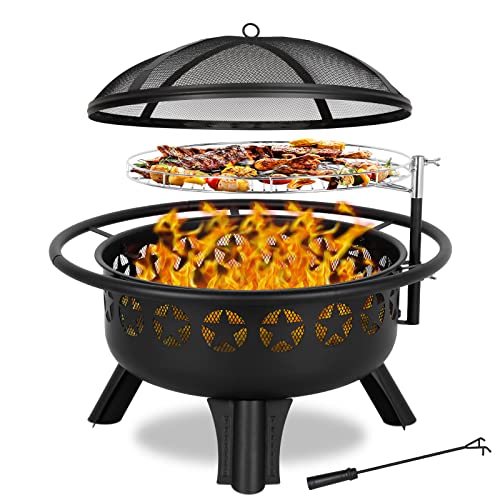
- Cooking potential: Many models accept grill grates or swing-away cooking arms for open-fire cooking.
- No fuel line or tank: There is no propane connection or electrical outlet required, so placement is more flexible.
That said, wood fire pits require more attention than gas units — ash cleanup, spark management, and smoke control all factor into ownership. Understanding these trade-offs early will help you decide whether wood is the right fuel for your outdoor space.
Types of Outdoor Wood Fire Pits
The market breaks down into several distinct formats, each suited to different patios, budgets, and usage patterns. Below is a practical overview of the main categories.
Steel Bowl Fire Pits
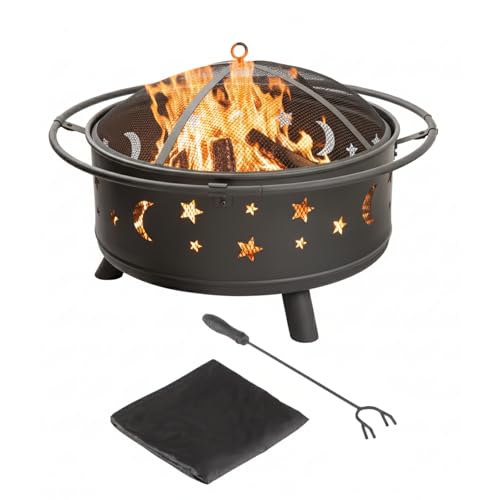
Simple, portable bowls with a mesh spark screen. Ideal for first-time buyers and casual use on lawns or patios. Light enough to reposition seasonally.
Cast Iron & Powder-Coated Models
Thicker walls, better heat retention, and decorative detailing. Often include a poker, screen, and built-in log grate. A solid long-term choice for regular use.
Stainless Steel & Stone Surrounds
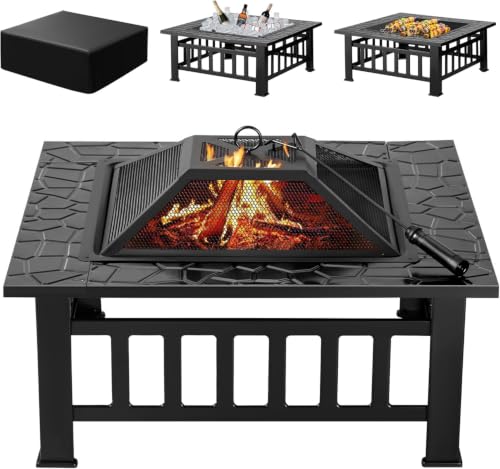
Heavy-duty construction with rust-resistant finishes, stone or copper accents, and wider bowls for larger fires. Designed as permanent patio centerpieces.
Portable vs. Permanent Installations
Portable fire pits are freestanding and can be moved between the lawn, patio, and deck (with proper heat shielding). They are the simplest starting point and suit renters or households that rearrange their outdoor layout frequently. Permanent installations — such as stone-ringed pits, built-in masonry bowls, or sunken fire features — anchor a patio as a focal point but require professional planning, local permits, and a fixed footprint. Most homeowners begin with a portable wood fire pit and upgrade to a permanent build once they understand how often they actually use it.
Smokeless and Low-Smoke Designs
Traditional wood fires produce smoke, which can be a nuisance in tight neighborhoods. Low-smoke fire pit designs use secondary air channels to re-burn particulates, dramatically reducing visible smoke. These models typically carry a higher tier classification because of their engineered airflow, but they are well worth considering if you live close to neighbors or entertain frequently. If smoke is your primary concern, compare them directly with gas alternatives before committing to wood.
What to Look For When Buying
Use the following criteria to narrow your shortlist. Each factor has a real impact on how the pit performs, how long it lasts, and how pleasant it is to own.
Material and Build Quality
- Stainless steel — the top-tier choice for coastal or humid climates; resists rust and heat discoloration better than painted steel.
- Cast iron — excellent heat retention and a classic look, but heavy and requires periodic re-seasoning to prevent rust.
- Powder-coated carbon steel — a balanced mid-range option; durable when the coating stays intact, but chips expose the metal beneath.
- Copper and natural stone — premium aesthetics with strong heat performance; stone surrounds double as a safety barrier.
Look for thick gauge metal (described as heavy-duty or reinforced in product listings), welded seams rather than rivets, and a raised log grate that improves airflow and reduces incomplete combustion.
Size and Heat Output
Fire pit diameter should match both your patio footprint and the number of people you typically host. As a rule of thumb:
- Small (under 26 inches): two to four people, balconies, and compact patios.
- Medium (26–36 inches): four to six people, the most versatile size for typical backyard patios.
- Large (over 36 inches): six or more, open yards, and permanent installations.
Keep in mind that a larger bowl needs more fuel and produces more radiant heat — in a small courtyard, a medium pit will feel more comfortable than an oversized one.
Safety Features
Prioritize models that include a spark screen, a heat-resistant poker, and a protective lid or cover. Some designs add mesh side panels to contain embers or a raised base to keep the bowl off heat-sensitive surfaces. If you plan to place the pit on a wooden patio table or near seating, verify the manufacturer’s clearance guidance first.
Accessories to Plan For
A fire pit works best as part of a small ecosystem of gear. Budget for a weather-resistant cover, a heat shield if you use it on a deck, and a firewood storage rack. When arranging seating, a set of outdoor patio chairs placed in a loose circle around the pit creates a natural conversation layout.
Placement and Site Preparation
Correct placement is the single most important safety decision you will make. Follow these guidelines:
- Distance from structures: keep at least 10 feet (about 3 meters) from the house, fences, sheds, and overhanging branches.
- Surface: place on a non-combustible surface such as concrete, stone, or gravel. Never place directly on grass, mulch, or dry leaves.
- Deck use: only with a fire pit explicitly rated for decks and always on a heat-resistant pad. Many wood models are designed for ground-level patios.
- Wind direction: position the pit so prevailing winds carry smoke away from the seating area and open windows.
- Overhead clearance: avoid using the pit beneath a wooden pergola or low canopy; embers can rise and ignite structures.
- Local regulations: check municipal burn ordinances and any HOA rules before your first fire.
If your patio is small or enclosed, consider a small patio layout guide to arrange the pit and seating without crowding the walkways.
Choosing and Storing Firewood
The quality of your firewood directly affects heat output, smoke levels, and how often you need to tend the fire.
- Use seasoned hardwood: oak, hickory, ash, and maple burn hot and clean. Softwoods like pine ignite quickly but produce more creosote and sparks.
- Moisture content: aim for wood that has dried for at least six months; damp wood smokes heavily and generates less heat.
- Size: split logs into pieces that fit comfortably inside the bowl with room for airflow around them.
- Never burn: treated lumber, painted wood, plywood, or household waste — these release toxic fumes.
- Storage: keep firewood elevated on a rack and covered, but allow airflow so it continues to dry. A waterproof storage box works well for small quantities.
Fire Pit Safety Essentials
Wood fires are safe when handled with basic discipline. Build these habits into every session:
- Keep a bucket of water, a garden hose, or a fire extinguisher within arm’s reach.
- Never leave a burning fire unattended — extinguish it fully before going inside or to bed.
- Keep children and pets at a safe distance, and establish a clear “no-go” zone around the pit.
- Do not use accelerants like lighter fluid once the fire is established; use a chimney starter or kindling instead.
- Avoid burning on windy days, when embers can travel unpredictably.
- Allow ashes to cool for at least 24 hours before disposal, and place them in a metal container.
Quick Safety Checklist
- Clear zone of at least 10 feet in all directions
- Non-combustible surface beneath the pit
- Spark screen in place during use
- Water source or extinguisher nearby
- Fire fully extinguished before leaving
Maintenance and Seasonal Care
A well-maintained wood fire pit can last many seasons. The routine is straightforward:
After Each Use
Once the fire is completely out and the pit is cool to the touch, remove loose ash with a metal scoop. A thin layer of ash actually protects the bowl from moisture, so there is no need to scrub it bare every time.
Monthly and Seasonal Tasks
- Scrub the interior with a stiff brush to remove built-up creosote and residue.
- Wipe the exterior with mild soap and water; avoid abrasive cleaners on painted or coated finishes.
- Touch up scratches on steel models with heat-resistant paint to prevent rust.
- Inspect welds, handles, and the spark screen for wear.
- Apply a light coat of oil to cast iron surfaces to maintain seasoning.
Off-Season Storage
During wet or cold months, cover the pit with a fitted waterproof cover and store it in a sheltered spot if possible. Elevate it off the ground to prevent standing water from pooling in the bowl. Before the next season, inspect for rust, tighten any loose hardware, and replace worn screens.
Wood vs. Alternative Fire Pit Fuels
Understanding how wood compares to other fuel types helps you confirm the right choice for your lifestyle.
| Feature | Wood | Propane | Natural Gas |
|---|---|---|---|
| Ambiance | Authentic flames, crackle, and scent | Clean flame, adjustable height | Clean flame, fixed connection |
| Setup | No utilities; fuel purchased separately | Tank required; easy to relocate | Professional line installation |
| Smoke & Ash | Some smoke; ash cleanup required | No smoke or ash | No smoke or ash |
| Heat Output | High radiant heat | Moderate, adjustable | Moderate, steady |
| Best For | Traditional backyard gatherings | Renters and flexible layouts | Permanent patio installations |
If you are still weighing formats, our broader fire pit buying guide compares all fuel types side by side. And if you want the fire pit to anchor a complete seating arrangement, explore conversation sets with a fire pit table for a coordinated look.
Styling Your Fire Pit Area
A fire pit is more than a heat source — it is the social heart of the patio. A few thoughtful touches elevate the whole zone:
- Seating: arrange chairs or a sofa in a loose semicircle facing the fire. Wicker and wood seating both pair naturally with a rustic fire feature.
- Side tables: place a small table between chairs for drinks and snacks; a wood side table keeps the look cohesive.
- Lighting: string lights or lanterns extend the evening without competing with the fire’s glow. See our outdoor lighting ideas for layering options.
- Shade and shelter: a patio umbrella nearby provides daytime shade, though it should be closed during fires.
- Softening the ground: an outdoor rug defines the seating zone and adds warmth underfoot — keep it well away from the pit itself.
- Planters: a pair of wooden planters flanking the area frames the space without blocking sightlines.
Frequently Asked Questions
What material is best for an outdoor wood fire pit?
Stainless steel and heavy-duty cast iron offer the best durability and heat resistance. Powder-coated steel is a solid mid-range option, while copper and natural stone deliver premium aesthetics and reliable heat retention.
How far should a wood fire pit be placed from a house?
A common safety guideline is at least 10 feet (about 3 meters) from any structure, overhanging branches, or combustible materials. Always follow local regulations and the manufacturer’s instructions.
Can a wood fire pit be used on a wooden deck?
Only if the fire pit is specifically rated for deck use and placed on a non-combustible heat shield or pad. Many wood-burning models are designed for ground-level patios, so verify the manufacturer’s guidance first.
How do I clean and maintain a wood fire pit?
Empty ash once fully cooled, scrub the bowl with a stiff brush, and wipe down the exterior with a mild soap solution. For steel models, touch up scratches with heat-resistant paint and store the pit under a cover during off-season months.