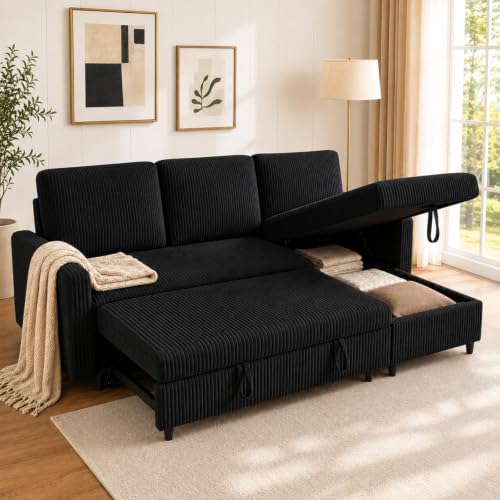
Small Sectional Couch with Pull Out Bed: The Complete Guide
Everything you need to know before choosing a compact sleeper sectional — sizing, mattress quality, storage, placement, and long-term care — so your space works beautifully by day and comfortably by night.
Why this guide matters: A small sectional couch with a pull out bed solves two problems at once — seating during the day and a guest sleeping spot after dark. But compact sleeper sectionals vary widely in mechanism quality, mattress comfort, and footprint. This guide walks you through the decisions that actually affect daily satisfaction, from L-shaped versus chaise layouts to memory foam versus coil mattresses, so you can buy with confidence.
What Makes a Sectional "Small" Enough for a Compact Room
A sectional earns the "small" label when its footprint stays within practical limits for apartments, guest rooms, and open-plan living areas. Most compact models measure roughly 80 to 100 inches along the longest wall, with seat depths under 40 inches. The key specification many buyers overlook is the extended footprint — a pull out bed adds 30 to 48 inches of depth in front of the sofa, so a piece that fits perfectly as a sofa can overwhelm the room when opened.
Always plan for two footprints: the sofa configuration and the bed configuration. Leave at least 18 to 24 inches of walking clearance around the piece in both states. If you are working with a tight living room, a small L-shaped couch with pull out bed often fits more efficiently than a long straight sofa because the corner uses wasted floor space.
Sofa Footprint
The day-to-day dimensions. Typical compact sectionals run 80–100 inches long and 55–75 inches deep including the chaise or corner return.
Bed Footprint
The extended dimensions when the pull out bed is open. Add 30–48 inches of depth in front of the seating area plus clearance to walk around.
Corner Clearance
Plan 18–24 inches of walking space on all open sides. This keeps the room comfortable even when the bed is deployed for guests.
L-Shaped, Chaise, and Storage Layouts Compared
The three most common compact sleeper layouts each solve a different problem. An L-shaped sectional maximizes corner seating and works well in square rooms. A chaise sectional adds a lounging spot but needs a longer wall. A storage chaise sectional combines lounging with hidden storage — a major advantage in small homes where linens and blankets compete for space.
If storage is a priority, compare a sectional with storage chaise and pull out alongside a small sectional sleeper sofa with storage. Both let you keep bedding, throws, and guest essentials out of sight while preserving the sleeper function. For buyers who want maximum utility in one piece, a sectional with storage and pull out bed or a small sectional with storage and pull out delivers seating, sleeping, and storage in a single footprint.
| Layout | Best For | Trade-Off |
|---|---|---|
| L-shaped sectional | Square living rooms and corner placement | Requires a clear corner and careful measurements |
| Chaise sectional | Long walls and lounging-focused rooms | Chaise extends further into the room |
| Storage chaise sectional | Small homes that need hidden bedding storage | Slightly higher tier than basic chaise models |
Pull Out Bed Mattress Types: What to Expect by Tier
The mattress is where compact sleeper sectionals differ most. Entry-level pull out beds typically use a thin innerspring or basic foam mattress — fine for occasional overnight guests, but not ideal for multi-night stays. Mid-range models step up to layered foam or coil-and-foam combinations with better support. Premium and luxury sleeper sectionals often include memory foam mattresses with a dedicated topper layer, delivering comfort closer to a standard guest bed.
If frequent hosting is part of your plan, look for a sleeper sectional with memory foam mattress or a sleeper sectional sofa with storage chaise. Both pair a more supportive sleeping surface with practical storage, which matters when guests need somewhere to put their belongings. For buyers comparing options, a small couch with chaise and pull out bed is a useful reference point for how compact sleepers balance seating comfort against bed size.
Entry-Level Mattress
Basic foam or thin innerspring. Best for occasional guests and short stays. Add a topper for extended visits.
Mid-Range Mattress
Layered foam or coil-and-foam construction. Noticeably better support and durability than entry-level options.
Premium & Luxury Mattress
Memory foam with added comfort layers. Closest to a traditional guest bed and suited to frequent hosting.
Pull Out Mechanism Quality and Long-Term Durability
The folding mechanism determines how smoothly the bed opens and how long the piece lasts. Entry-level mechanisms use basic metal frames and simple hinges. Mid-range models add reinforced tracks and smoother folding hardware. Premium and commercial-grade mechanisms use heavy-duty steel frames with tested weight ratings and smoother glides.
When evaluating a sofa, check three things: the weight rating of the sleeper mechanism, whether the frame is reinforced at the folding joints, and how the mattress stores when closed. A well-specified mechanism is one of the clearest signals of a small sectional sleeper sofa with storage built to last. Upholstery matters too — durable construction and a tightly tailored cover reduce wear at the folding points where stress concentrates.
- Mechanism rating: Look for a stated weight capacity that comfortably exceeds the number of people who will use the bed.
- Frame reinforcement: Check for reinforced joints at the folding points and a solid build in the base.
- Mattress storage: Confirm how the mattress folds or stores and whether bedding can stay on when closed.
- Upholstery durability: Prefer tightly tailored covers and durable construction at high-stress seams.
Placement Strategies for Small Rooms and Guest Spaces
Placement makes or breaks a compact sleeper sectional. In a living room, position the longest side along a solid wall and keep the open side facing the room's focal point. In a guest room or studio, orient the sofa so the bed opens toward open floor rather than a doorway. If the room is genuinely tight, a small space patio furniture mindset applies indoors too: multifunction pieces, vertical storage, and clear walkways matter more than raw size.
For very compact apartments and balconies, it helps to compare with compact outdoor solutions like a small outdoor patio set or a small balcony furniture set to see how manufacturers approach space-saving design. The same principles — measured footprints, folding functions, and clear circulation — carry over indoors.
Care and Maintenance for Sleeper Sectionals
Routine care keeps the mechanism smooth and the upholstery presentable. Vacuum the sofa weekly and the mechanism monthly. Lubricate metal joints according to the manufacturer's guidance, and avoid overloading the bed frame beyond its stated rating. Fold and unfold the mechanism gently and fully; partial folding stresses hinges and tracks.
For upholstery, rotate and fluff cushions regularly to distribute wear, and spot-clean spills promptly with a mild upholstery cleaner. If the sleeper sits near a window, protect the fabric from prolonged direct sun to slow fading. When the room is not in guest use, leave the bed closed to reduce dust accumulation on the mattress.
Buying Checklist: How to Evaluate Any Compact Sleeper Sectional
Use this checklist before committing to any model. It focuses on the specifications that drive daily comfort and long-term satisfaction rather than marketing claims.
- Measure both footprints: Confirm the sofa and extended bed dimensions fit your room with 18–24 inches of clearance.
- Verify the mattress tier: Match mattress quality to how often guests will sleep over.
- Test the mechanism concept: Read reviews about opening smoothness and frame stability.
- Check storage capacity: Confirm the storage compartment size and accessibility if you need it.
- Review upholstery durability: Look for tightly tailored covers and durable construction at stress points.
- Confirm assembly and delivery: Check whether the piece arrives in sections and what assembly is required.
Buyers who want a single piece to cover seating, sleeping, and storage should prioritize a sectional with storage and pull out bed or a sleeper sectional sofa with storage chaise. Those who mainly need a compact L-shape should compare a small L-shaped couch with pull out bed against a small sectional sleeper sofa with storage to see which layout fits their room shape better.
Frequently Asked Questions
What size room does a small sectional couch with pull out bed fit in?
Most compact sleeper sectionals are designed for rooms between roughly 10 by 10 feet and 12 by 14 feet. Always measure the footprint in both sofa and bed configurations, and leave at least 18 to 24 inches of walking clearance around the piece.
Is a pull out bed mattress comfortable for everyday sleeping?
Entry-level sleeper mattresses are best for occasional guests. Mid-range and premium models with memory foam or coil layers offer better support for frequent use. A mattress topper can further improve comfort for extended stays.
Do small sleeper sectionals come with storage?
Many do. Storage chaise models and sectionals with hidden compartments under the seating are common. Storage is especially valuable in compact rooms where every square foot counts.
How do I maintain a pull out bed mechanism?
Vacuum the mechanism regularly, lubricate metal joints per the manufacturer's guidance, and avoid overloading the bed frame. Fold and unfold it gently to keep the folding hardware aligned.