Square Glass Patio Table with Umbrella Hole: The Complete Guide
A glass-top square table with a center umbrella hole blends elegance with practical shade. Learn how to choose the right size, frame, glass type, and umbrella pairing before you buy.
Why this guide matters: If you have already narrowed your search to a square glass patio table with an umbrella hole, you are past the browsing stage and into decision mode. This guide answers the questions that usually stall a purchase: Will the glass hold up outdoors? What size umbrella fits? How does the hole affect stability? What frame material is right for your climate? Read on and you will be ready to choose with confidence.
Why Choose a Square Glass Patio Table with an Umbrella Hole?
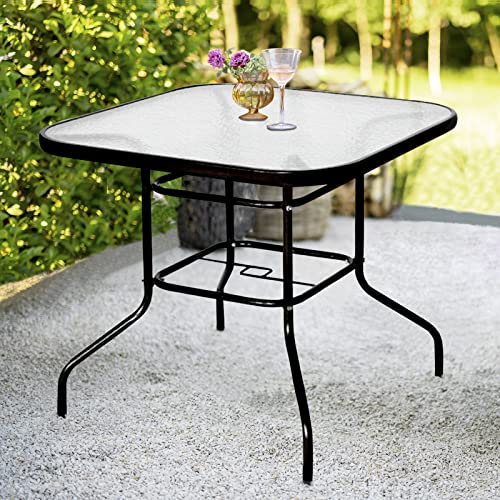
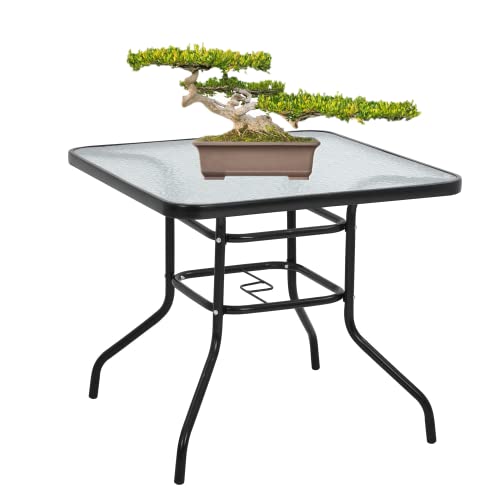
A square glass patio table with an umbrella hole solves two common outdoor dining problems at once. The square shape gives every diner comfortable elbow room and fits neatly into corners, on small decks, and against walls, making it a strong pick for compact or semi-enclosed spaces. The glass top reflects light, keeps the table visually light, and is easy to wipe clean after meals or rain. The center umbrella hole lets you add shade without a separate freestanding umbrella, so the table and shade occupy a single footprint.
Compared with rectangular or round tables, a square glass table is especially practical when you want a defined dining zone that does not overwhelm the patio. If space is tight, pair it with space-saving furniture ideas such as stackable chairs or benches that tuck underneath. For a broader comparison of shapes and frames, see the square outdoor dining table with umbrella hole guide.
Glass Types and Frame Materials Explained
Not all glass patio tables are built the same. The glass and the frame together determine durability, safety, and how the table ages outdoors.
Tempered Glass Is the Baseline
Tempered glass is heat-treated for strength and, if it breaks, shatters into small blunt granules rather than sharp shards. This is the minimum standard for any outdoor glass table. Look for the term "tempered" in the product spec and check that the panel is fully supported by a rim rather than resting loosely on brackets. A beveled or polished edge reduces chipping and is a sign of careful finishing.
Frame Materials: Aluminum, Steel, and Resin Wicker
The frame carries the structural load and holds the umbrella, so material choice matters as much as the glass:
- Powder-coated aluminum: Lightweight, rust-resistant, and easy to move. A great match for coastal or humid climates. Mid-range and premium aluminum frames usually have thicker walls and better welds.
- Powder-coated steel: Heavier and very stable, which helps when an umbrella is mounted. Entry-level steel frames need regular inspection for chips that can lead to rust; high-end tier frames use galvanized or rust-proof finishes.
- Resin wicker over a metal frame: A softer, more decorative look that pairs well with glass tops. Synthetic resin wicker is weather-resistant and requires little upkeep; see the synthetic resin wicker outdoor furniture overview for care details.
- Teak or solid wood frames: Warm and long-lasting, but heavier and require periodic sealing. Browse teak furniture if you want a natural look under a glass top.
Sizing: Matching the Table, Umbrella, and Space
Getting the size right prevents the two most common regrets: a table that crowds the patio and an umbrella that is too small to shade the seating area. Use the table below as a starting framework, then confirm the umbrella pole diameter and hole size in the product spec before ordering.
| Table Size (square) | Typical Seats | Recommended Umbrella Canopy | Best For |
|---|---|---|---|
| 32–36 inches | 2–4 | 6–7.5 ft | Balconies, small patios, breakfast nooks |
| 40–42 inches | 4 | 7.5–9 ft | Standard patios, couples and small families |
| 46–48 inches | 4–6 | 9–10 ft | Larger decks, frequent entertaining |
| 54 inches and up | 6–8 | 10–11 ft | Spacious patios and full outdoor dining rooms |
Leave at least 30 to 36 inches of clear space around the table for chairs to pull out comfortably. If your patio is tight, measure the chair footprint with the table pushed against a wall. For more layout help, read the measurement guide. If you are still deciding between a glass top and a metal top, the square metal patio table with umbrella hole comparison is a useful next step, and larger groups can look at the square outdoor dining table for 8 with umbrella hole.
The Umbrella Hole: What It Does and What It Doesn't
The umbrella hole stabilizes the pole at table height, but it does not anchor the umbrella. Wind leverage on a canopy is significant, so a weighted base is non-negotiable. There are two common setups:
- Under-table base: A heavy plate or water-filled base sits beneath the table's center. This is the most stable arrangement and works well with most square glass tables.
- Over-table base: A base rests on the tabletop around the pole. Convenient for quick setup, but it takes up table surface and is generally less stable in gusty conditions.
Check the hole diameter in the spec sheet; most poles are roughly 1.5 to 2 inches, and a snug fit reduces wobble. For umbrella options and bases, explore table umbrella selections and standing umbrella base choices. If you want solar-powered shade, a solar outdoor umbrella can pair nicely with the table.
Care and Maintenance for a Glass Patio Table
A glass table is easy to live with when you follow a simple routine:
- Wipe after meals: Use a soft cloth and mild soapy water; avoid abrasive pads and ammonia-based cleaners that can cloud the surface.
- Protect the edges: Do not drag the table across rough paving. Chipped edges are the most common cause of glass failure.
- Cover in winter: Use a fitted cover designed for tables with an umbrella hole, remove the umbrella, and store the glass in a sheltered spot if possible. The square patio table cover with umbrella hole guide explains the fit.
- Inspect the frame: Touch up powder-coat chips promptly to prevent rust, and check the umbrella base and pole collar for tightness each season.
For a full seasonal routine, see the weatherproofing guide and outdoor care resources. Adding string lights above the table makes evening dining more inviting and pairs well with the glass top's reflective surface.
How to Choose: Entry-Level, Mid-Range, and Premium Tiers
Glass tables are available across quality tiers. Use these descriptors to compare products consistently without focusing on numeric figures:
- Entry-level tier: Tempered glass with a lighter steel or aluminum frame. Suitable for sheltered patios and seasonal use. Inspect welds and confirm the glass is supported by a full rim.
- Mid-range tier: Thicker frame walls, better powder coating, and more refined edge finishing. A solid choice for year-round outdoor use in most climates.
- Premium / high-end tier: Heavy-duty frames, commercial-grade finishes, and precise umbrella collar fittings. Often paired with teak or high-grade aluminum and built for exposed locations.
Whatever tier you choose, prioritize the frame and glass support over decorative details. If you are weighing upgrades elsewhere in your patio setup, the splurge vs save guide helps you decide where extra quality pays off. Homeowners building out a full outdoor room may also compare this table with a square outdoor table or a stainless steel outdoor table and chairs setup.
Frequently Asked Questions
Is tempered glass safe for an outdoor patio table?
Yes. Tempered glass is heat-treated to resist impact and, if it breaks, shatters into small blunt granules instead of sharp shards. Choose a table that explicitly lists tempered glass and uses a full support rim.
What size umbrella fits a square glass patio table with an umbrella hole?
Match canopy to table size: roughly 6–7.5 ft for a 36-inch table, 7.5–9 ft for a 42-inch table, and 9–10 ft for 48-inch and larger tables. Confirm the hole diameter and pole size in the spec.
Do I need an umbrella base if my table has an umbrella hole?
Yes. The hole stabilizes the pole but does not anchor it. Use a weighted under-table base or a heavy over-table base, especially in windy locations.
How do I protect a glass patio table in winter?
Use a fitted cover for tables with umbrella holes, remove and store the umbrella, and shelter the glass panel if possible. Avoid stacking heavy items on the glass and never drag the table across rough surfaces.