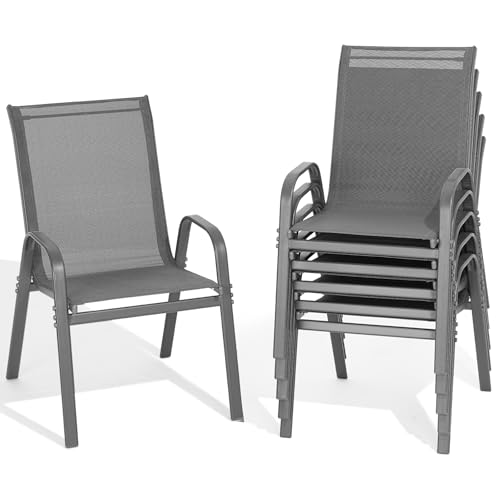
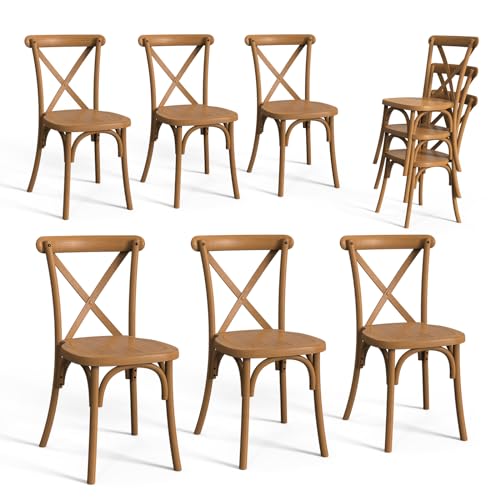
Stackable Outdoor Dining Chairs Set of 6: The Complete Buying Guide
Everything you need to choose a space-saving, weather-ready dining set that seats six comfortably and stores neatly when the party is over.
Why a stackable set of six makes sense: A stackable outdoor dining chairs set of 6 combines full-table seating with the flexibility to clear your patio in seconds. Whether you host weekend barbecues, family dinners, or simply want a tidy outdoor space, this guide explains the materials, stacking mechanisms, comfort features, and care routines that matter most before you buy.
Why Choose a Stackable Outdoor Dining Chairs Set of 6?
A six-chair dining set is the sweet spot for most households. It seats a full family plus guests, yet remains manageable on a standard patio or deck. The stackable feature adds a layer of practicality that fixed chairs cannot match.
- Space-saving storage: When not in use, the chairs nest into a single column, freeing up floor area for cleaning, games, or seasonal storage.
- Flexible entertaining: Pull out only the chairs you need. Two for a morning coffee, six for a dinner party.
- Easier maintenance: Stacking exposes the patio surface, making sweeping, pressure washing, and re-sanding far simpler.
- Seasonal convenience: Move the entire stack indoors or under cover during storms, winter, or extended absences.
- Consistent design: A matching set of six delivers a cohesive look that mismatched chairs rarely achieve.
If your outdoor area doubles as a multi-purpose space, explore more space-saving furniture ideas to round out the layout.
Materials: What Holds Up Outdoors?
The frame material determines weight, stacking ease, weather resistance, and long-term durability. Here is how the most common options compare.
Powder-Coated Aluminum
Aluminum is lightweight, rust-resistant, and easy to stack. A powder-coated finish adds scratch and UV protection. It is the most common choice for mid-range and premium stacking sets because it balances durability with portability.
High-Grade Steel
Steel frames feel more substantial and resist wind uplift better than aluminum. Look for galvanized or powder-coated steel to prevent rust. Steel sets are typically heavier, so stacking them requires a bit more effort but rewards you with a solid, stable seat.
Resin and Plastic
Resin chairs are the lightest and most weather-tolerant option. They resist moisture, insects, and fading, and they stack in tall columns. Entry-level resin sets are popular for casual patios, while premium resin blends mimic wood grain and offer a more refined look.
Synthetic Wicker over Metal Frame
Wicker-style chairs bring texture and a softer aesthetic. High-quality synthetic wicker resists UV damage and moisture. Check that the underlying frame is aluminum or coated steel, since the wicker itself is not structural.
Weather-Resistant Wood
Teak, eucalyptus, and acacia are the go-to outdoor woods. Teak is the top-tier choice for natural oil content and longevity. Wooden stacking chairs are heavier and require periodic sealing, but they age gracefully and suit rustic or coastal designs. Pair them with a teak furniture table for a unified look.
Quality Tiers at a Glance
Use this tier framework to match a set to your usage intensity and design goals. Tiers reflect relative market position and build quality, not numeric figures.
| Tier | Best For | Typical Build Traits |
|---|---|---|
| Entry-level | Occasional use, balconies, rental spaces | Lightweight resin or thin-gauge aluminum, simple stacking, basic UV coating |
| Mid-range | Regular family dining, covered patios | Powder-coated aluminum or steel, reinforced joints, comfortable contoured seats |
| Premium | Frequent entertaining, full-sun exposure | Heavy-duty frames, high-grade synthetic wicker, fade-resistant finishes, refined detailing |
| Luxury / Professional-grade | Hospitality-style setups, long-term investment | Solid teak or marine-grade materials, commercial-grade welds, exceptional finish quality |
For help weighing a long-term investment against a starter set, see our splurge vs save breakdown.
Stacking Design and Storage Footprint
Not all stacking chairs stack equally well. A well-designed set of six should nest into a stable column without wobbling or scratching.
- Stacking height: Check how many chairs the manufacturer specifies for safe stacking. A set of six should stack as a complete group.
- Nesting profile: Chairs with tapered legs and recessed seats stack more compactly than flat-seat designs.
- Armrest clearance: Armrests can prevent tight nesting. If storage space is tight, consider armless or low-profile arm designs.
- Protective glides: Rubber or plastic feet protect both the chair finish and the patio surface when stacked.
- Weight per chair: Lighter chairs are easier to stack and move, but heavier chairs resist wind better. Balance the two based on your climate.
If you are building a compact dining zone, pair the stack with a square outdoor dining table with umbrella hole to maximize seating in a small footprint.
Comfort Features That Matter
A dining chair is only as good as its seat. Long dinners and lively conversations demand more than a flat plastic slab.
Seat Contour and Depth
Contoured seats distribute weight more evenly. A seat depth of roughly 16 to 18 inches suits most adults. Deeper seats feel lounge-like but can make it harder to reach the table.
Backrest Angle
A slight recline supports the lower back during long meals. Too upright feels rigid; too reclined pushes you away from the table. Test the angle against your dining table height.
Armrests
Armrests help guests rise from the table and add comfort. However, they can limit stacking compactness and prevent chairs from tucking fully under the table. Decide which matters more for your space.
Cushions and Pads
Many stackable chairs accept tie-on cushions. Look for quick-dry foam and solution-dyed fabrics. For replacement or upgrade options, see outdoor furniture cushions.
Weight Capacity
Check the rated weight capacity per chair. Premium and commercial-grade sets typically support higher loads and feel more stable under heavier guests.
Pairing the Set with the Right Table
The chairs are only half the equation. The table shape and size determine how comfortably six people can dine.
- Rectangular tables seat six efficiently and suit narrow patios.
- Square tables work well in compact corners and encourage conversation. See a square outdoor dining table for 8 with umbrella hole if you want room to expand.
- Round tables soften the layout and eliminate sharp corners in tight spaces.
- Umbrella compatibility: If your patio gets full sun, choose a table with a central hole. A square glass patio table with umbrella hole pairs nicely with light metal stacking chairs.
Measure the table height and the chair seat height before committing. Most dining chairs sit 17 to 19 inches from floor to seat, and most dining tables stand 28 to 30 inches tall.
Weather Resistance and Longevity
Outdoor furniture faces sun, rain, wind, and temperature swings. The right set should shrug off the elements with minimal intervention.
- UV stability: Look for UV-stabilized resin or solution-dyed finishes that resist fading.
- Rust prevention: Powder-coated aluminum and galvanized steel resist corrosion. Touch up chips promptly.
- Drainage: Seats with drainage channels or slats prevent water pooling after rain.
- Hardware quality: Stainless steel or coated fasteners outlast untreated hardware.
- Wind resistance: Heavier chairs and weighted bases stay put during gusts. In windy regions, stack or store chairs during storms.
For a broader maintenance routine, see our weatherproofing guide.
Pre-Purchase Checklist for a Set of Six
- Measure your patio and table footprint, including chair pull-out space.
- Confirm the chairs stack as a group of six without wobbling.
- Check seat height against your dining table height.
- Decide between armrests (comfort) and armless (compact stacking).
- Verify the frame material suits your climate and sun exposure.
- Review the weight capacity and warranty terms.
- Plan storage: a corner of the garage, a shed, or a covered spot on the patio.
- Confirm the finish matches your table and surrounding decor.
Care and Maintenance
A few simple habits keep a stackable set looking sharp for years.
- Rinse frames and seats with mild soap and water, then dry before stacking.
- Inspect welds, bolts, and glides each season and tighten as needed.
- Touch up paint chips on metal frames to prevent corrosion.
- Reapply sealant to wooden chairs according to the manufacturer's schedule.
- Store or cover the stack during winter or prolonged wet weather.
- Avoid stacking wet chairs for long periods to prevent moisture trapping.
If your set includes a cover, check our patio table cover guide for complementary protection ideas.
Frequently Asked Questions
What are the main benefits of a stackable outdoor dining chairs set of 6?
A stackable set of six saves storage space, simplifies off-season storage, allows flexible seating for gatherings, and makes cleaning the patio floor much easier. Stacking designs also reduce the footprint when chairs are not in use.
Which materials are best for stackable outdoor dining chairs?
Common materials include powder-coated aluminum, high-grade steel, resin, synthetic wicker over a metal frame, and weather-resistant woods such as teak. Aluminum and resin are the most popular for stacking sets because they are lightweight and resist rust, while premium wood and metal models offer a more substantial feel and longer service life.
How many chairs can typically be stacked at once?
Most stackable outdoor dining chairs allow stacking of four to eight chairs, depending on the design. A set of six is usually designed to stack together in one compact column, which is ideal for small patios, balconies, and seasonal storage.
Do stackable chairs work with standard outdoor dining tables?
Yes. Most stackable dining chairs are designed to fit under standard dining-height tables, typically around 28 to 30 inches from floor to tabletop. Check the seat height and arm height of the chairs to ensure they tuck under your table and allow comfortable legroom.
How should stackable outdoor chairs be maintained?
Rinse frames with mild soap and water, dry them thoroughly before stacking, and inspect hardware and welds each season. For metal frames, touch up scratches with matching paint to prevent corrosion. For wood models, reapply a weather-resistant sealant as recommended. Store or cover the stack during harsh weather to extend service life.
Final Thoughts
A stackable outdoor dining chairs set of 6 is one of the most practical investments you can make for a functional patio. It delivers full seating for family and guests without permanently sacrificing floor space. Focus on the frame material, stacking design, seat comfort, and weather resistance, and the set will serve you through many seasons of outdoor dining.
For more inspiration, explore our guides on stackable outdoor chairs and stackable lawn chairs to compare styles and layouts.