Steel Fire Pit Rings: The Complete Buying Guide
Everything you need to know about choosing a durable, safe, and long-lasting steel fire pit ring for your backyard — materials, sizes, installation, and care.
Why a Steel Fire Pit Ring Matters: A fire pit ring is the structural backbone of any wood-burning fire feature. It contains the fire, protects your patio surface, and defines the focal point of your outdoor living space. Choosing the right steel grade and design ensures years of safe, enjoyable evenings under the stars.
What Is a Steel Fire Pit Ring?
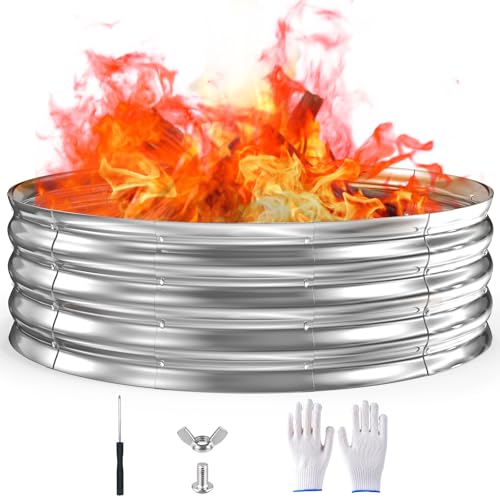
A steel fire pit ring is a circular or square metal insert designed to line the inside of a fire pit. It acts as a heat-resistant barrier between the fire and the surrounding materials — whether that's stone, brick, pavers, or bare ground. Unlike decorative fire bowls, a ring is typically set into the ground or a masonry surround, creating a clean, permanent fire feature.
Steel rings are popular because they are strong, heat-resistant, and available in a wide range of sizes. They work with wood-burning fires and can be paired with a grate, spark screen, or cooking accessories. If you are building a fire pit from scratch, a steel ring simplifies the process by providing a ready-made firebox.
Steel Grades and Materials Explained
Not all steel fire pit rings are created equal. The grade of steel directly affects heat resistance, durability, and how the ring ages over time. Here is a breakdown of the most common materials:
- Carbon Steel (Mild Steel): The most common choice for residential fire rings. It offers solid heat resistance and develops a natural rust patina over time. Entry-level and mid-range rings typically use 11- to 14-gauge carbon steel.
- Stainless Steel: Premium and high-end tier rings use stainless steel for superior rust resistance and a clean, modern look. Ideal for humid climates or coastal areas where rust is a concern.
- Corten Steel (Weathering Steel): A high-grade steel that forms a protective rust layer, which slows further corrosion. This material is popular in modern landscape design and sits in the premium tier.
- Powder-Coated Steel: A mid-range option where carbon steel is coated with a heat-resistant powder finish. This adds a layer of protection and a uniform appearance, though the coating may wear over time with heavy use.
Thickness is measured in gauge, with lower numbers indicating thicker steel. For residential use, 11-gauge to 7-gauge steel offers a solid balance of durability and heat resistance. Commercial-grade rings typically use 7-gauge or thicker steel for long-term heavy use.
Key Features to Compare
Ring Diameter
Common sizes range from 24 to 48 inches. A 30- to 36-inch ring suits most small to mid-size patios, while 40- to 48-inch rings work well for larger gathering areas.
Steel Thickness
Thicker steel (lower gauge) holds heat better and resists warping. Entry-level rings often use 14-gauge, while high-end tier models use 7-gauge or thicker.
Rim Design
A reinforced or rolled rim adds structural strength and a finished look. Flat rims are simpler but can warp under intense heat over time.
Drainage Holes
Pre-drilled drainage holes prevent water accumulation, which can accelerate corrosion. This is a small but important detail for longevity.
Assembly Style
Some rings arrive as pre-welded single pieces; others are sectional and bolt together. Sectional rings are easier to transport and install in tight spaces.
Finish
Uncoated steel develops a rustic patina. Powder-coated or stainless options maintain a cleaner appearance and resist rust in humid climates.
Steel Fire Pit Ring Tiers at a Glance
To help you compare options without focusing on numbers, here is a tier-based framework for understanding the market:
| Tier | Best For | Typical Materials | Durability Notes |
|---|---|---|---|
| Entry-Level | Occasional use, first-time fire pit builders | 14- to 11-gauge carbon steel | Solid for light use; may develop surface rust over time |
| Mid-Range | Regular weekend use, family backyards | 11- to 9-gauge carbon steel or powder-coated | Better heat resistance and slower wear; good value for its tier |
| Premium | Frequent use, design-focused patios | 9- to 7-gauge steel or Corten steel | Heavy-duty construction; resists warping under sustained heat |
| High-End Tier | Long-term installations, coastal or humid climates | Stainless steel or thick Corten steel | Rust-proof finish options; a long-term investment |
How to Choose the Right Size
Size is one of the most important decisions you will make. A ring that is too small will feel cramped and may not contain the fire safely; one that is too large can overwhelm a small patio and consume more wood than necessary.
- Small patios (up to 100 sq ft): A 24- to 30-inch ring is usually sufficient for 2–4 people.
- Mid-size patios (100–200 sq ft): A 30- to 36-inch ring comfortably seats 4–6 people.
- Large patios or backyard gathering areas: A 40- to 48-inch ring accommodates larger groups and creates a stronger focal point.
Always check local fire regulations before installation. Most areas require a minimum clearance — often 10 feet — from structures, fences, and overhanging branches. Also confirm whether your neighborhood allows wood-burning fires or requires a gas-powered alternative.
Installation Basics
Installing a steel fire pit ring is a straightforward DIY project for most homeowners, though larger or heavier rings may benefit from professional help. Here is a general overview of the process:
- Choose a level, safe location. Keep the fire pit away from low-hanging branches, structures, and flammable materials.
- Mark and excavate. Outline the ring's footprint and dig a shallow depression — typically 6 to 10 inches deep — to accommodate the ring and a layer of gravel for drainage.
- Add a base layer. Spread a layer of gravel or crushed stone at the bottom to improve drainage and provide a stable foundation.
- Set the ring. Place the steel ring into the excavation, checking that it sits level. For a more finished look, surround it with pavers, brick, or stone.
- Add a grate or screen. Consider a fire grate to elevate the wood for better airflow, and a spark screen for safety.
If you are pairing your fire pit with seating, browse our guides to cedar Adirondack chairs or wrought iron patio sets for a cohesive outdoor living space. For smaller spaces, a small outdoor patio set with fire pit can combine seating and fire in one efficient footprint.
Care and Maintenance
A steel fire pit ring is designed to handle heat, but a little care extends its life significantly:
- Clean out ash regularly. Excessive ash traps moisture, which accelerates corrosion. Wait until the fire is fully extinguished and the ring is cool before cleaning.
- Inspect for rust. Surface rust is normal on carbon steel, but deep pitting should be addressed. For tips on treating rust, see our rust removal guide.
- Store or cover during off-season. If your ring is portable, store it in a dry place during winter. Permanent rings can be covered with a waterproof tarp.
- Avoid accelerated corrosion. Choose a ring with drainage holes and avoid leaving standing water inside the firebox.
If you are also maintaining other outdoor metal pieces, our guide to outdoor waterproof material for garden furniture covers broader weatherproofing principles.
Design Ideas for Your Fire Pit Area
A steel fire pit ring is more than a functional insert — it is an opportunity to anchor your backyard design. Consider these ideas:
- Surround with stone or pavers: A ring of flagstone or brick creates a built-in look and doubles as a safe border.
- Pair with a seating arrangement: Curved benches or a mix of sun chairs and wicker porch chairs define the gathering zone.
- Add lighting: String lights or solar-powered lanterns extend the usable hours of your fire pit area. See our solar lighting options for inspiration.
- Incorporate a side table: A round patio coffee table or umbrella side table keeps drinks and snacks within reach.
For a more complete outdoor room, explore our screened-in deck ideas or consider a portable outdoor fireplace as an alternative for smaller spaces.
Frequently Asked Questions
What gauge steel is best for a fire pit ring?
For residential use, 11-gauge to 7-gauge steel offers a solid balance of durability and heat resistance. Commercial-grade rings typically use heavier 7-gauge or thicker steel for long-term heavy use.
Will a steel fire pit ring rust?
Uncoated carbon steel will develop surface rust over time, which many homeowners accept as a rustic patina. Stainless steel and powder-coated options resist rust significantly better, especially in humid climates.
What size fire pit ring do I need?
A 30- to 36-inch ring suits most small to mid-size patios, while 40- to 48-inch rings work well for larger gathering areas. Always check local fire regulations and maintain at least 10 feet of clearance from structures.
Can a steel fire pit ring be used with a wood-burning fire?
Yes. Heavy-duty steel rings are specifically designed for wood-burning fires. Choose a high-grade steel with a reinforced rim and ensure proper drainage at the base for longevity.
Do I need a fire pit ring if I already have a stone fire pit?
A steel ring adds a heat-resistant barrier between the fire and the stone, which can help prevent cracking and extend the life of your masonry. It also makes ash cleanup easier and creates a cleaner visual line.
Ready to Build Your Fire Pit Area?
Explore our recommended steel fire pit rings below and find the right fit for your backyard.