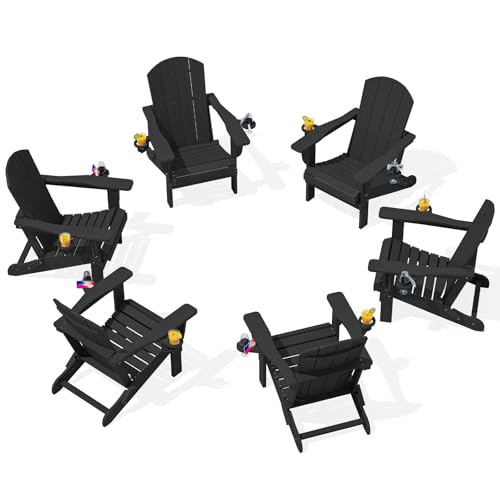
The classic Adirondack chair has long been a symbol of relaxed outdoor living. Its wide armrests, deeply reclined back, and generous seat were originally designed for lounging on uneven terrain, and that same silhouette remains one of the most recognizable forms in outdoor furniture today. What has changed is the material science behind it. Plastic Adirondack chairs with cup holders combine that timeless shape with modern resin engineering and practical convenience, making them a compelling choice for homeowners who want durable, low-maintenance seating that is ready for everyday use.
If you are researching this category, you likely already know you want an Adirondack-style chair and you have decided that plastic construction makes sense for your climate, lifestyle, or maintenance preferences. The open questions are usually about which plastic formulation performs best, whether a cup holder is genuinely useful, how these chairs compare with wood or composite alternatives, and which features separate a well-built chair from a flimsy one. This guide answers those questions in detail so you can move from research to a confident decision.
We will walk through the practical benefits of a built-in cup holder, compare plastic against wood and other materials, break down the features that matter most, and explain how to match chair size and style to your space. We will also cover weather resistance, care routines, and a final checklist you can use while shopping. By the end, you should have a clear picture of what a good plastic Adirondack chair with a cup holder looks like and how to identify one that will serve you well for years.
Why a Built-In Cup Holder Matters
At first glance, a cup holder may seem like a minor detail. In practice, it is one of the most frequently used features on outdoor seating. Adirondack chairs are designed for long, unhurried sessions—reading, watching the sunset, supervising children in the pool, or simply enjoying a quiet morning. During those sessions, people naturally want a drink within easy reach. Without a dedicated holder, drinks end up on the armrest, on the ground, or balanced precariously on a nearby table that may be too far away to reach comfortably from the chair's reclined position.
A built-in cup holder solves this problem elegantly. Because it is molded or mounted directly into the armrest, it keeps a glass, can, or tumbler stable even when the chair shifts slightly on grass or gravel. This stability reduces spills, protects your drink from insects and debris, and frees your hands for other activities. Many models place the holder in the right armrest, while others offer dual holders or a combination of a cup holder and a small tray for a phone, sunglasses, or snacks. If you frequently host guests or spend hours outside, this feature quickly proves its worth.
It is also worth noting that a cup holder can influence the structural design of the chair. Chairs with molded holders typically have slightly wider or reinforced armrests to accommodate the recess, which can add rigidity. In some premium and commercial-grade models, the holder is integrated into a larger accessory console that includes a phone slot or drainage channel to prevent water pooling. When evaluating options, treat the cup holder as both a convenience feature and a signal of how thoughtfully the chair was engineered.
Practical tip: If you often use tall tumblers or insulated bottles, check the holder's interior depth and diameter. Some holders are designed for standard cans and short glasses, while others accommodate taller drinkware or include a removable insert for flexibility.
Plastic vs. Wood vs. Resin: Understanding the Material Landscape
The term "plastic" covers a wide range of materials, and the differences between them matter. Traditional wooden Adirondack chairs, typically made from cedar, pine, or teak, offer a natural look and a classic feel. However, wood requires regular sealing, staining, or painting to resist moisture and sun damage, and it can develop splinters, cracks, and rot over time. For homeowners who prefer minimal upkeep, this ongoing maintenance is a significant drawback.
Plastic Adirondack chairs fall into several subcategories. High-density polyethylene (HDPE) is a common choice because it is durable, resistant to moisture, and available in a wide range of colors. Recycled plastic lumber, often made from post-consumer milk jugs or other recycled plastics, offers similar performance with an environmental benefit. Resin and polypropylene blends are frequently used in entry-level and mid-range chairs; they are lightweight and resistant to water, though they may be more susceptible to UV fading and brittleness over many years unless treated with UV stabilizers.
Composite materials, which blend plastic with wood fiber, occupy a middle ground. They mimic the appearance of painted wood while offering better moisture resistance, though they can be heavier and are often positioned in higher tiers. When comparing materials, focus on three factors: UV stability, impact resistance, and color consistency. A well-formulated plastic chair will hold its color and structural integrity through repeated freeze-thaw cycles and intense summer sun. If you want to explore broader material options beyond plastic, our guide to all-weather material for outdoor furniture provides a useful comparison framework.
For those who appreciate the look of wood but want plastic's low maintenance, recycled plastic chairs are an especially attractive option. Our article on Adirondack chairs made from recycled materials discusses how recycled content affects appearance and durability. If environmental considerations are a priority, the recycled milk jug approach is another route worth understanding.
Key Features to Evaluate Before You Choose
A plastic Adirondack chair with a cup holder can range from a basic starter piece to a carefully engineered flagship model. The features below are the ones that most directly affect comfort, longevity, and day-to-day usability.
Frame Construction and Wall Thickness
Thicker plastic walls generally translate to greater rigidity and resistance to flexing. Entry-level chairs often use thinner molded panels, while mid-range and high-end tier models use reinforced ribs or double-wall construction at stress points such as the seat back and armrest joints. If you plan to move the chair frequently or expect heavier users, prioritize sturdier construction.
Cup Holder Design
Look for a holder that is deep enough to keep a drink stable and wide enough for your preferred glassware. Some models include a drainage hole at the bottom to prevent water accumulation after rain. Dual holders are available for shared seating, and a few designs combine the holder with a small accessory tray.
Armrest Width and Shape
Adirondack chairs are known for broad, flat armrests. Wider armrests provide more room for the cup holder and can double as a surface for a book or tablet. Rounded or contoured edges are more comfortable for resting your arms over long periods.
Seat Height and Recline Angle
The classic Adirondack recline is deep, which is comfortable for lounging but can be challenging for people with limited mobility. Some modern plastic models raise the seat height or reduce the recline angle to make getting in and out easier. If accessibility is a concern, explore Adirondack chairs that are easy to get out of.
Weight and Portability
Plastic chairs are generally lighter than wood, but weight still varies. A lighter chair is easier to rearrange or store, while a heavier chair feels more stable in windy conditions. Consider how often you will move the chair and whether you need to stack or store it seasonally.
Assembly and Hardware
Most plastic Adirondack chairs require some assembly. Stainless steel or coated hardware is preferable because it resists rust. Check whether the manufacturer includes clear instructions and whether the joints are designed to stay tight over time.
Color and Finish
UV-stabilized colors resist fading. Matte finishes tend to hide scratches better than high-gloss surfaces. If you plan to coordinate with existing patio furniture, request color samples or check customer photos before committing.
Product Tiers Explained
To make comparisons easier without relying on numeric figures, we use a consistent tier system throughout this guide. The tiers describe relative market positioning and build quality, not absolute attributes.
| Tier | Typical Characteristics | Best For |
|---|---|---|
| Entry-Level | Basic molded plastic, thinner walls, simple cup holder recess, limited color options, requires more careful handling. | Occasional use, seasonal seating, renters, or filling a secondary seating area. |
| Mid-Range | Reinforced frame, UV-stabilized color, deeper cup holder, smoother edges, better hardware, moderate weight. | Everyday residential use on decks, patios, and lawns; families and frequent hosts. |
| Premium | Heavy-duty construction, double-wall or ribbed reinforcement, refined cup holder with drainage, superior color retention, comfortable contouring. | Primary seating in high-use outdoor spaces, exposed locations, and design-conscious homeowners. |
| Commercial-Grade | Maximum structural rigidity, fire-retardant additives in some models, tested weight capacity, consistent color matching, designed for public or hospitality use. | Rental properties, restaurants, clubhouses, and long-term high-traffic installations. |
As a general rule, mid-range chairs offer the most balanced combination of durability and comfort for typical residential use. Premium models justify their position when the chair will be used daily, exposed to harsh sun or coastal salt air, or expected to last many seasons. Entry-level chairs can work well for occasional seating, but they are less likely to maintain their appearance and structural integrity over the long term.
Comfort and Fit: Getting the Dimensions Right
Comfort in an Adirondack chair depends on the relationship between seat depth, seat height, back angle, and armrest height. The classic deep recline is wonderful for lounging but can feel low and awkward for taller users or anyone who prefers an upright posture. Modern plastic models address this by offering variations in seat height and back angle.
Before choosing, measure the space where the chair will live and consider how you will use it. A chair placed beside a low patio table may need a higher seat height so you can reach your drink comfortably. A chair used primarily for sunbathing may benefit from a deeper recline and a wider seat. If you plan to add a cushion, account for the extra height and depth it introduces. Our guide to Adirondack chairs with adjustable backrests explores models that let you change the recline angle, which can be valuable for shared households with different preferences.
For poolside or tanning use, the width and slope of the seat matter. Some chairs are specifically shaped for pool tanning ledges, where the chair sits partially in shallow water. In those settings, a cup holder positioned higher on the armrest helps keep drinks clear of splashes.
If you enjoy putting your feet up, consider a model with a matching ottoman or a retractable footrest. The Adirondack chair with retractable footrest category covers options that combine lounging comfort with a compact footprint.
Weather Resistance: What to Look For
Plastic's main advantage over wood is its resistance to moisture, rot, and insect damage. However, not all plastics perform equally in sunlight and temperature extremes. UV exposure is the biggest long-term threat; without stabilizers, plastic can fade, chalk, or become brittle. Look for chairs that explicitly state UV stabilization or colorfast construction. Recycled plastic lumber often performs well in this regard because the color is integrated into the material rather than applied as a surface coating.
Temperature swings also matter. In cold climates, plastic can become more rigid and susceptible to cracking if struck or dropped. Heavy-duty and commercial-grade chairs are typically formulated to perform better in low temperatures. In hot climates, darker colors absorb more heat, so lighter colors may be more comfortable to sit on after prolonged sun exposure.
If your chairs will be exposed to coastal salt air, rinse them periodically with fresh water to remove salt residue. For a deeper look at protective strategies, our weatherproofing guide covers covers, sealants, and seasonal routines. Chairs used on open lawns or exposed decks may also benefit from being stacked or covered during severe storms.
Placement and Use Cases
Plastic Adirondack chairs with cup holders are versatile enough for nearly any outdoor setting. On a wooden deck, they add a relaxed, coastal feel and are light enough to rearrange for gatherings. On a lawn, their wide feet distribute weight and reduce sinking, though extremely soft ground may still require occasional repositioning. Around a fire pit, choose chairs with a stable base and keep a safe distance from the heat source; the cup holder is especially handy for keeping drinks away from sparks and ash.
Poolside, plastic chairs are a natural fit because they tolerate splashes and dry quickly. If your pool area has a tanning ledge, look for chairs designed for shallow water. For balcony and small-space use, consider narrower models or folding designs, though folding plastic Adirondack chairs are less common than fixed-frame versions. Our balcony outdoor furniture for small spaces guide offers additional context for compact setups.
If you are furnishing a larger seating area, mixing Adirondack chairs with a small side table and a matching ottoman creates a cohesive look. Some homeowners pair plastic chairs with a wooden or composite table for contrast. For a broader look at outdoor seating arrangements, our backyard chairs overview may help you compare styles.
Care and Maintenance
One of the strongest arguments for plastic Adirondack chairs is their low maintenance. Routine care typically involves wiping surfaces with a mild soap solution and rinsing with water. Avoid abrasive cleaners or stiff brushes that could dull the finish. For stubborn marks, a soft cloth and a non-abrasive cleaner are usually sufficient. Check the manufacturer's recommendations before using any solvent or specialty product.
Periodically inspect the hardware and joints. Tighten any loose screws or bolts, and replace rusted hardware if necessary. If the chair has a drainage hole in the cup holder, keep it clear of debris so water does not pool. During extended periods of disuse, covering the chair or storing it in a shed or garage can extend its appearance, though most quality plastic chairs are designed to remain outside year-round.
If you notice fading, it is usually cosmetic rather than structural. UV-stabilized chairs fade more slowly, but no plastic is entirely immune to sun exposure over many years. Rotating chairs between sunny and shaded positions can help even out wear. For more detailed routines, our outdoor care section covers cleaning products and seasonal maintenance schedules.
Buying Checklist
Use the following checklist as a quick reference while comparing options. It is designed to help you prioritize the features that matter most for your specific situation.
- Material: Confirm whether the chair uses HDPE, recycled plastic, resin, or a composite, and check for UV stabilization.
- Cup holder: Verify depth, diameter, drainage, and whether it is molded or attached.
- Frame strength: Look for reinforced ribs, double-wall construction, or a stated weight capacity that matches your needs.
- Comfort: Check seat height, recline angle, armrest width, and whether a cushion is recommended.
- Weather resistance: Prioritize colorfast construction and hardware that resists rust.
- Assembly: Review instructions and hardware quality; stainless steel or coated fasteners are preferable.
- Portability: Consider weight if you plan to move or store the chair frequently.
- Style: Match color and finish to your existing outdoor decor and check customer photos for realistic color representation.
- Tier: Decide whether entry-level, mid-range, premium, or commercial-grade best fits your usage intensity.
If you are comparing multiple models, our guide to Adirondack chairs with cup holders provides a broader view of available configurations, and the plastic-specific cup holder category is the direct match for the product type discussed here. For a wider selection of plastic styles, the recycled plastic Adirondack chairs page is also useful.
Frequently Asked Questions
Are plastic Adirondack chairs with cup holders durable in all weather?
Most quality plastic Adirondack chairs use high-density polyethylene or recycled resin that resists moisture, UV fading, and temperature swings. Premium and commercial-grade models typically include UV-stabilized colorants and reinforced frames, making them suitable for year-round outdoor exposure. Entry-level models may need more protection in extreme conditions.
What is the advantage of a built-in cup holder on an Adirondack chair?
A built-in cup holder keeps drinks stable on uneven lawn or deck surfaces, reduces the risk of spills, and frees your hands for reading or relaxing. Some models also include a phone slot or accessory tray alongside the cup holder, which adds further convenience.
How much weight can a plastic Adirondack chair support?
Weight capacity varies by tier. Entry-level models commonly support around 250 to 300 pounds, while mid-range and high-end tier chairs often support 350 pounds or more. Always check the manufacturer's stated capacity before purchasing, especially if the chair will be used by multiple people.
Do plastic Adirondack chairs require assembly?
Most plastic Adirondack chairs ship partially assembled or flat-packed with basic hardware. Assembly typically takes 15 to 30 minutes with common household tools. Some premium models arrive fully assembled, so check the product description if assembly is a concern.
Can I leave my plastic Adirondack chair outside all year?
Yes, most plastic chairs are designed for outdoor use. However, covering the chair or storing it during extreme weather can extend its appearance and lifespan. Rinsing off salt and debris periodically helps maintain the finish, especially in coastal areas.
Ready to Find Your Ideal Chair?
Browse our curated selection of plastic Adirondack chairs with cup holders and compare features, tiers, and styles in one place.
View Recommended Products