Cushioned Porch Swing: The Complete Comfort Guide
Everything you need to know about choosing, hanging, and caring for a cushioned porch swing — from frame materials and cushion types to weight capacity and seasonal maintenance.
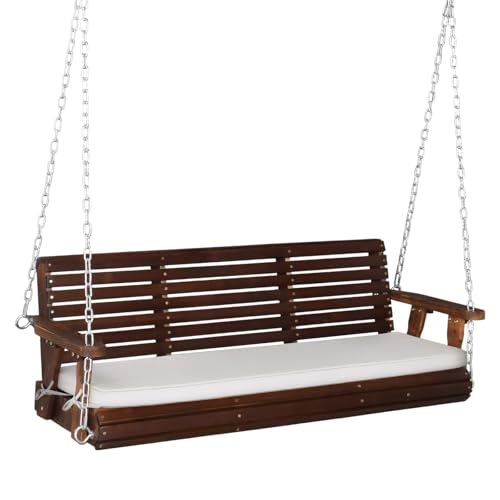
Why a Cushioned Porch Swing? A porch swing transforms any outdoor space into a destination for relaxation. Adding cushions elevates the experience from merely sitting to genuinely lounging. Whether you are outfitting a front porch, a covered patio, or a garden gazebo, a well-chosen cushioned swing becomes the focal point of outdoor living. This guide walks you through every decision — frame construction, cushion quality, hanging hardware, and long-term care — so you can select a swing that delivers comfort season after season.
Why a Cushioned Porch Swing Deserves a Place on Your Porch
A porch swing is more than furniture; it is an invitation to slow down. The gentle rocking motion, the fresh air, and the simple pleasure of swaying with a book or a cup of coffee make it one of the most rewarding outdoor investments you can make. Cushions add a layer of physical comfort that bare wood or metal simply cannot match. High-density foam cushions conform to your body, reduce pressure points, and make longer sitting sessions enjoyable for everyone from toddlers to grandparents.
Beyond comfort, a cushioned swing contributes to the visual warmth of your outdoor space. Fabric cushions introduce color, texture, and pattern that softens the hard lines of wood or metal frames. If you are building a cohesive outdoor design, a swing with cushions can tie together your cushioned outdoor chairs and cushioned patio chairs into a unified seating arrangement. And for those who love the look of a complete outdoor room, pairing a swing with a covered patio creates a sheltered retreat that feels intentional and inviting.
The swing also serves a practical role. It provides seating without taking up floor space the way a full sofa or loveseat might. On a narrow porch or a compact deck, a swing hangs from the ceiling or a beam, freeing ground area for foot traffic. This makes it an excellent choice for smaller homes, apartments with balconies, or any space where maximizing usable area matters. For more ideas on compact outdoor seating, explore our guide to deep seat lounge chairs, which share the same space-efficient philosophy.
Choosing the Right Frame Material for Your Cushioned Porch Swing
The frame is the backbone of your swing. It determines durability, maintenance requirements, weight capacity, and aesthetic character. Understanding the strengths and trade-offs of each material helps you make a confident decision.
Wood Frames: Classic Warmth and Natural Beauty
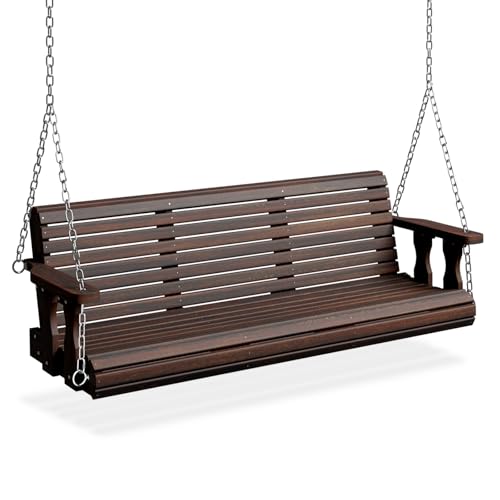
Wood is the traditional choice for porch swings, and for good reason. Cedar, teak, and cypress are naturally resistant to rot and insects, making them well-suited for outdoor use. Pine and fir are more common in entry-level swings but require more frequent sealing and staining to withstand the elements. A wooden swing with a cushioned seat offers a timeless look that complements farmhouse, craftsman, and cottage-style homes. If you appreciate natural materials and are willing to commit to periodic maintenance, wood is an excellent long-term choice. For related reading on wood care, see our wood furniture care guide.
Metal Frames: Strength and Low Maintenance
Powder-coated steel and aluminum frames deliver exceptional strength with minimal upkeep. Steel is heavier and typically supports higher weight capacities, while aluminum is lighter and resistant to rust. Both materials pair well with modern and contemporary outdoor designs. A metal swing with cushions can be a stylish addition to a contemporary furniture arrangement. Metal frames generally require only occasional wiping with a damp cloth to keep them looking fresh. If you live in a humid or coastal climate, aluminum or rust-proof steel is worth prioritizing.
Resin Wicker and Woven Frames: Texture and Weather Resistance
Resin wicker (also called all-weather wicker) offers the woven look of natural rattan without the fragility. It resists moisture, UV damage, and cracking, making it a practical choice for year-round outdoor exposure. Wicker swings often come with deep cushions that enhance the lounging experience. The texture of woven material adds visual interest and works well in coastal, bohemian, and transitional design schemes. If you enjoy the look of wicker, you may also appreciate our wicker and rattan guide for broader outdoor furniture ideas.
| Frame Material | Best For | Maintenance Level | Tier Positioning |
|---|---|---|---|
| Cedar / Teak | Classic style, natural resistance | Moderate (annual sealing) | Premium |
| Pine / Fir | Entry-level wood look | High (frequent sealing) | Entry-level |
| Powder-coated Steel | High weight capacity, durability | Low | Mid-range |
| Aluminum | Rust resistance, lightweight | Low | Mid-range |
| Resin Wicker | Texture, weather resistance | Low | Premium |
| Solid Hardwood (Mahogany) | Luxury look, long lifespan | Moderate | Luxury |
Cushion Types and Materials: The Heart of Comfort
The cushion is where a porch swing earns its comfort reputation. Not all cushions are created equal, and understanding the differences helps you avoid a swing that looks plush but feels flat after a season.
Foam Density and Thickness
High-density foam (often rated around 1.8 to 2.5 pounds per cubic foot) resists compression and holds its shape longer than low-density alternatives. Thicker cushions — typically 3 to 5 inches — provide more cushioning and are preferable for swings where you plan to spend extended time. Entry-level swings often come with thinner, lower-density cushions that may need replacing sooner. Mid-range and premium models typically feature higher-density foam with a layer of polyester fiber wrap for a softer initial feel.
Fabric Options: Weather-Resistant Upholstery
The fabric covering your cushion faces sun, rain, and humidity. Solution-dyed acrylic (such as Sunbrella) is the gold standard for outdoor upholstery, offering excellent fade resistance and water repellency. Polyester blends are common in mid-range products and perform well with proper care. Olefin is another option, valued for its resistance to moisture and mildew. Avoid cotton or untreated fabrics outdoors unless the swing is in a fully sheltered location. For broader guidance on outdoor upholstery, our outdoor cushion guide covers fabric selection in greater depth.
Removable vs Attached Cushions
Removable cushions are easier to clean, store, and replace. They also allow you to swap colors seasonally or update the look without replacing the entire swing. Attached cushions stay in place and reduce the risk of shifting, but they are harder to clean thoroughly and cannot be replaced individually. If you plan to leave the swing out year-round, removable cushions that you can bring inside during harsh weather are a practical advantage. For replacement options, explore custom-made replacement cushions.
Pro Tip: When evaluating cushion quality, check whether the cushion has a zippered cover and a wrapped foam core. Zippered covers allow for easier washing, while a wrapped core provides a softer surface feel without sacrificing support. Also confirm that the cushion has ties or a non-slip backing to keep it from sliding forward when you sit down.
Sizing, Weight Capacity, and Hanging Clearance
A cushioned porch swing must fit both your space and your household. Standard two-seat swings typically measure around 4 to 5 feet wide, while three-seat models range from 5 to 6.5 feet. Measure your porch or deck carefully, allowing at least 2 feet of clearance on each side of the swing to avoid bumping walls or railings. Also account for the swing's depth and the space needed for it to move freely.
Weight capacity is a critical safety consideration. Entry-level wooden swings may support around 400 to 500 pounds total, while heavy-duty steel and premium hardwood frames can support 600 to 800 pounds or more. Always check the manufacturer's stated capacity and add a margin of safety for dynamic loads (the force of someone sitting down or swinging). If you plan to share the swing with children or pets, choose a model with a higher rating. For related sturdy seating options, see our deep seating patio furniture collection.
Hanging height matters too. The seat should sit roughly 17 to 19 inches above the floor for comfortable entry and exit. Ensure the swing hangs level and that the chains or ropes are rated for the load. If you are hanging from a porch ceiling, verify that the beam or joist can bear the weight; if not, install a reinforced mounting point. A porch swing hanging kit with heavy-duty hardware simplifies the process and adds peace of mind.
Care and Maintenance for Long-Lasting Comfort
A cushioned porch swing is an investment in outdoor relaxation, and a little care goes a long way toward extending its life. Here is a season-by-season approach.
- Clean cushions regularly: Brush off debris and wipe spills promptly. Most outdoor cushion covers can be spot-cleaned with mild soap and water; check the manufacturer's care label before machine washing.
- Protect from prolonged moisture: Bring cushions inside during heavy rain or when the swing is not in use for extended periods. Moisture trapped in foam leads to mildew and odor.
- Inspect hardware: Check chains, ropes, and mounting points several times per season. Tighten bolts, replace worn straps, and look for signs of rust or wear.
- Treat wood frames annually: Apply a fresh coat of sealant or stain to wooden swings before winter to prevent moisture damage and UV fading.
- Store cushions in winter: Use a cushion storage solution — a deck box or breathable storage bag — to keep cushions dry and pest-free during the off-season.
- Cover the swing when not in use: A fitted cover protects the frame and cushions from leaves, bird droppings, and sun damage. See our patio furniture cover guide for selection tips.
If you live in a region with harsh winters, consider bringing the entire swing indoors or storing it in a shed. For broader seasonal preparation advice, our winter storage guide and weatherproofing guide provide step-by-step recommendations.
Placement Ideas: Making the Most of Your Cushioned Swing
Where you place your swing shapes how you use it. A front porch swing becomes a greeting spot for neighbors and a peaceful morning retreat. A covered patio swing offers shade and shelter from light rain, extending its usable season. In a garden or gazebo, a swing becomes a destination at the end of a path, surrounded by greenery.
If your outdoor space is compact, a swing can replace a bulky seating set. Pair it with a small side table for a drink, and consider adding a deck shade or a patio umbrella nearby if the swing is not under cover. For a truly cohesive outdoor living area, combine a swing with outdoor rugs and outdoor lighting to define the zone and create ambiance after sunset. A covered porch swing is another option that offers built-in protection from the elements.
For those designing a complete outdoor room, the swing can serve as a companion to a daybed porch swing or a curved loveseat, offering varied seating for gatherings. If your porch has a farmhouse or rustic theme, a wooden swing with plaid or neutral cushions fits naturally. In a coastal setting, white resin wicker with blue or striped cushions evokes a nautical feel.
Comparing Cushioned Porch Swing Tiers
To help you evaluate options without relying on numeric figures, here is a comparison of cushioned porch swings across quality tiers. Use this as a framework for understanding what different product levels typically offer.
| Tier | Typical Frame | Cushion Quality | Best For |
|---|---|---|---|
| Entry-level | Pine or light steel | Thinner foam, basic polyester fabric | Occasional use, sheltered porches |
| Mid-range | Cedar or powder-coated steel | Medium-density foam, solution-dyed fabric | Regular use, family households |
| Premium | Teak, aluminum, or resin wicker | High-density foam, acrylic fabric, zippered covers | Frequent use, exposed locations |
| Luxury | Solid hardwood or commercial-grade steel | Multi-layer foam, custom upholstery | Year-round enjoyment, design-focused homes |
As a general rule, moving up a tier typically brings smoother hardware, more durable cushion materials, and better weather resistance. The mid-range tier often represents the sweet spot for households that use their swing regularly and want a balance of comfort and longevity. Entry-level swings can serve well in sheltered locations or for seasonal use, while premium and luxury models are designed for demanding environments and daily use.
Ready to Choose Your Cushioned Porch Swing?
Explore our curated selection of cushioned porch swings and outdoor seating. Compare features, read specifications, and find the swing that fits your porch and your lifestyle.
View Recommended Swings