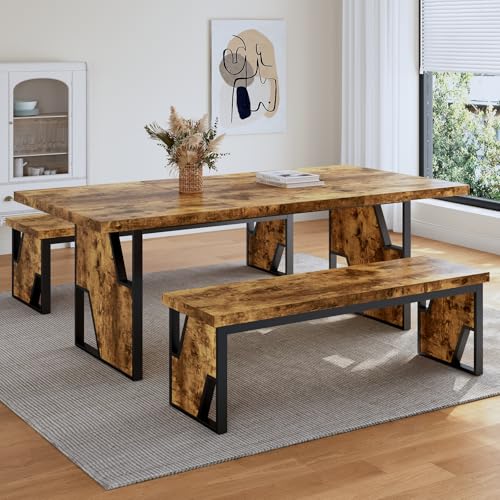
Dining Set with Corner Bench and Chairs: The Complete Guide
Everything you need to know before choosing an L-shaped corner bench dining set for your patio, deck, or dining area — layouts, materials, seating capacity, and long-term care.
Start ExploringWhy this guide matters: A dining set with a corner bench and chairs is one of the most space-efficient and sociable seating arrangements available. This guide walks you through configuration choices, material trade-offs, and practical buying criteria so you can select a set that fits your space and lifestyle with confidence.
What Is a Dining Set with Corner Bench and Chairs?
A dining set with a corner bench and chairs pairs a dining table with an L-shaped corner bench that runs along two adjacent sides of the table. The remaining sides are filled with individual chairs. This hybrid configuration combines the space-saving efficiency of built-in banquette seating with the flexibility of movable chairs.
The corner bench typically features a backrest on one or both segments, and many designs include storage under the seat. Chairs can be pulled out for extra guests, used as standalone seating, or rearranged to accommodate different activities. For homeowners researching patio furniture, this layout offers a distinct advantage: it hugs the corner of a room or patio, freeing up circulation space and creating a cozy, defined dining zone.
Compared with a standard dining table with bench and chairs, the corner variant adds an additional seating surface along the second edge, which often increases capacity without enlarging the table footprint. If you are exploring broader configurations, our overview of a dining table corner set covers how these arrangements compare with conventional layouts.
Why Choose a Corner Bench Dining Set?
The corner bench configuration is popular for good reasons. It addresses several common challenges simultaneously: limited floor space, the need to seat more people, and the desire for a cohesive, built-in aesthetic. Here are the primary benefits:
- Space efficiency: The L-shaped bench occupies the corner where chairs would otherwise need clearance to slide in and out. This can free up meaningful floor area in compact patios, balconies, and dining nooks.
- Increased seating capacity: A corner bench can seat more people along its length than individual chairs, because there are no gaps between seats and no need for side clearance.
- Built-in, cohesive look: Corner benches create a structured, furniture-like appearance that reads as intentional and integrated into the architecture of the space.
- Storage potential: Many corner benches include lift-up seats or drawers, adding valuable storage for cushions, table linens, or outdoor accessories.
- Social atmosphere: Bench seating encourages closer, more communal dining — ideal for family meals and casual entertaining.
Configuration Options and Seating Capacity
Corner bench dining sets come in several configurations. The right choice depends on your table size, available wall space, and how many people you typically host. Below is a comparison of common configurations using a consistent tier framework.
| Configuration | Tier | Typical Seating | Best For |
|---|---|---|---|
| Compact corner bench + 2 chairs | Entry-Level | 4 people | Small patios, balconies, breakfast nooks |
| Corner bench + 3 chairs (L on one side) | Mid-Range | 5–6 people | Mid-sized decks, family dining areas |
| Full L-shaped bench + 3–4 chairs | Premium | 6–8 people | Larger patios, entertaining spaces |
| Extended corner bench + 4–5 chairs | Luxury | 8+ people | Large outdoor dining rooms, commercial-grade use |
When planning capacity, consider the table length. A bench that runs the full length of a table plus around the corner is the classic arrangement, but some sets place the corner bench along only one side and use chairs on the other three sides. Our guide to a dining table with corner bench and chairs explores these variations in more detail.
Materials: What to Look For
Material choice is the single biggest factor in how a corner bench dining set performs over time, especially in outdoor settings. Here is a breakdown of the most common frame and surface materials.
Solid Wood (Teak, Eucalyptus, Acacia)
Solid wood offers warmth, natural grain, and timeless appeal. Teak and eucalyptus are premium outdoor choices thanks to their natural oils and tight grain, which resist moisture and rot. Acacia is a solid mid-range option with good durability. All wood requires periodic sealing and should be covered during harsh winters. Look for FSC-certified sources if sustainability matters to you.
Powder-Coated Aluminum
Aluminum is lightweight, rust-proof, and easy to move. Powder-coated finishes add scratch resistance and color retention. It is the go-to material for patio-friendly corner bench sets because it handles humidity well and requires minimal maintenance. High-grade aluminum frames with reinforced joints are the most durable choice for long-term outdoor use.
High-Grade Steel
Steel frames are heavier and very stable, making them a good fit for permanently placed dining sets. The key is the finish: rust-proof coatings and galvanized treatments are essential for outdoor durability. Steel is common in mid-tier and premium sets where stability is a priority.
Wicker and Rattan
Synthetic wicker over an aluminum frame is a popular option for corner bench sets because it delivers a woven, textured look without the fragility of natural rattan. High-quality synthetic wicker is UV-resistant and weather-tolerant. It pairs especially well with coastal and bohemian design themes.
Material Evaluation Checklist
- Confirm the frame is rated for outdoor use, with a weather-resistant coating or rust-proof finish.
- Check that cushions use quick-dry foam and UV-resistant fabric.
- Inspect joints and fasteners — reinforced construction is a sign of a solid build.
- For wood, verify the species and whether it is naturally rot-resistant or needs treatment.
- Ask whether replacement cushions are available for your chosen model.
How to Measure Your Space for a Corner Bench Set
Corner bench dining sets are less forgiving of measurement errors than freestanding chairs, because the bench is fixed along two edges. Follow this process before you buy:
- Measure the corner walls: Record the length of both adjacent walls where the bench will sit. Subtract a few inches for clearance from doors, windows, and baseboards.
- Determine table extension: Decide how far the table should extend from the corner. A common rule is to allow at least 24–30 inches of table overhang beyond the bench edge for comfortable legroom.
- Calculate chair clearance: On the open sides, allow 30–36 inches behind each chair for pulling in and out. This is the area that a corner bench design saves on the two wall sides.
- Check traffic flow: Leave a clear path of at least 36 inches for walkways between the dining set and other furniture or walls.
- Account for an umbrella or fire pit: If you plan to add a centerpiece feature, such as a dining table with fire pit in the middle, confirm the table has the appropriate cutout and that the bench does not obstruct access.
If your space is limited, consider a set designed specifically for compact areas. A dining table with bench for small spaces can pair well with a compact corner bench to maximize capacity in a tight footprint.
Comfort and Ergonomics
Bench seating is only as good as its comfort. Two factors matter most: seat depth and back support.
Seat depth: A comfortable bench seat depth is typically 16–18 inches. Deeper seats feel more lounge-like but may not provide enough back support for dining posture. Some premium sets offer adjustable or removable back cushions to fine-tune the feel.
Back support: Corner benches with a full backrest on both segments are the most comfortable for long meals. Benches with a backrest only on the longer segment are a common mid-range compromise. If you plan to use the bench as a lounging spot between meals, look for sets with plush, high-density foam cushions.
Cushion quality: Quick-dry foam and solution-dyed acrylic fabrics are the standard for outdoor cushions. If your set will sit in direct sun, prioritize UV-resistant fabrics that resist fading. For replacement needs, our guide to deep seating replacement cushions for outdoor furniture covers sizing and material options.
Indoor vs. Outdoor Corner Bench Sets
The same corner bench layout works in both indoor and outdoor settings, but the materials and construction requirements differ significantly.
Outdoor corner bench sets must handle moisture, UV exposure, and temperature swings. Look for rust-proof or powder-coated frames, weather-resistant cushions, and drainage-friendly bench seats. Aluminum and synthetic wicker are the most common outdoor frame choices.
Indoor corner bench sets (often called breakfast nooks or banquettes) can use upholstered backs, MDF or solid wood frames, and standard foam cushions. They are generally more cushioned and decorative, and they do not need weatherproofing.
If your dining area is a covered porch or screened patio, an indoor-style set may work, but always confirm that the materials can tolerate humidity. For a broader look at how indoor bench seating translates outdoors, our guide to a dining room corner bench covers the indoor side of the equation.
Design and Style Considerations
Corner bench dining sets are available in a wide range of design styles. The most common styles include:
- Farmhouse and rustic: Solid wood frames, slatted backs, and distressed finishes. These sets suit relaxed, country-inspired patios. Explore our farmhouse dining set with bench and chairs guide for related ideas.
- Modern and minimalist: Clean lines, aluminum frames, and neutral cushions. These sets fit contemporary patios and small spaces.
- Coastal: White or light-washed frames with blue or sand-toned cushions. Synthetic wicker and slatted wood pair well with nautical themes.
- Industrial: Steel frames with wood tops, often in darker finishes. These sets suit urban patios and loft-style spaces.
When choosing a style, consider the surrounding architecture and the other furniture in the space. A corner bench set is a statement piece, so it should harmonize with the overall design direction. If you are comparing table types, our overview of a dining table set with bench and chairs provides additional context on how these sets differ from chair-only configurations.
Storage Features to Look For
Storage is one of the most practical advantages of a corner bench. Common storage designs include:
- Lift-up seat: The seat hinges upward to reveal a large compartment. This is the most common and spacious option.
- Pull-out drawers: Drawers built into the bench base provide easier access for smaller items.
- Open shelving: Some benches include open cubbies below the seat for baskets or shoes.
If storage is a priority, consider a set such as a dining table with storage bench and chairs, which combines seating capacity with dedicated storage space. Just be sure the storage mechanism is sturdy and does not compromise the bench's structural integrity.
Care and Maintenance
A well-maintained corner bench dining set can last many seasons. Follow these maintenance guidelines:
- Weekly: Wipe down the frame and tabletop with a damp cloth and mild soap. Shake out or vacuum cushions to remove debris.
- Monthly: Inspect fasteners and tighten any loose bolts. Check for signs of rust or finish wear and address them promptly.
- Seasonally: Clean cushions according to the manufacturer's instructions. Apply wood sealant if your set has a wood frame. Store cushions indoors during extended off-season periods.
- Annually: Deep-clean the entire set, including the bench base and any storage compartments. Replace worn cushion covers or inserts as needed.
Common Mistakes to Avoid
Buying a corner bench dining set is a significant decision. Here are mistakes that buyers commonly make:
- Not measuring the corner precisely: A few inches can make the difference between a perfect fit and an awkward gap. Measure twice.
- Ignoring chair clearance: Even with a corner bench, you need clearance on the open sides. Do not assume the bench eliminates all space requirements.
- Overlooking cushion quality: The frame gets the attention, but cushions determine daily comfort. Check foam density and fabric UV resistance.
- Choosing style over durability: A beautiful set that degrades after one season is not a good choice. Prioritize weather-resistant materials for outdoor use.
- Forgetting about assembly: Some sets ship partially assembled; others require full assembly. Factor in the time and tools needed. Our guide to delivery and assembly covers what to expect.