Dining Table with Bench with Back: The Complete Buying Guide
A dining table paired with a backrest bench blends family-style seating with proper lumbar support. This guide explains styles, materials, sizing, and comfort so you can choose with confidence.
Explore Recommended OptionsWhy Choose a Dining Table with a Bench with Back?
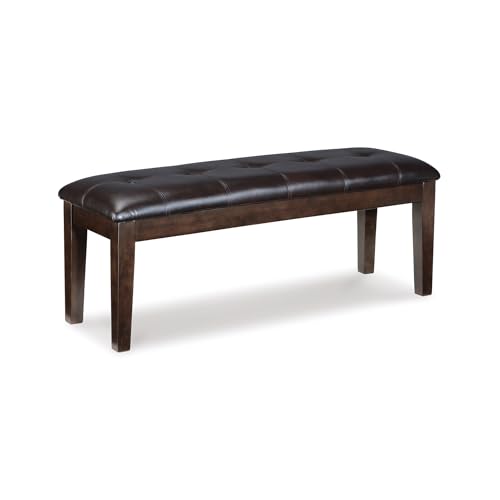
A dining bench with a backrest solves a common trade-off. Traditional backless benches are space-efficient and casual, but they offer no lumbar support during long meals. Standard dining chairs provide support but can feel formal and consume more visual space around the table. A bench with a back combines the best of both: the seamless, communal look of bench seating with the comfort of an upholstered or slatted backrest.
This seating format is especially popular in family homes, eat-in kitchens, and open-plan dining areas. Because a bench seats multiple people along one side, it often accommodates more diners than individual chairs within the same footprint. That makes a large dining table with bench and chairs arrangement a practical choice for households that frequently host guests.
Beyond capacity, benches create a clean visual line along one side of the table, which helps small and medium rooms feel less cluttered. When the backrest is upholstered, the bench also doubles as a soft visual anchor that ties the room's palette together.
Measure the clear floor space behind the bench before ordering. A backrest bench needs roughly 12 to 18 inches of pull-out room so diners can sit down and stand up without scraping the wall.
Bench and Table Styles to Consider
The style of the bench should complement the table rather than compete with it. The most common configurations fall into a few recognizable categories.
Upholstered Bench with Back
Fully upholstered benches feature a padded seat and a padded backrest, often in performance fabric or faux leather. They deliver the highest comfort level and suit transitional, contemporary, and farmhouse interiors. Upholstered models are typically mid-range to premium in their category and reward careful fabric selection, since the upholstery defines both comfort and long-term appearance.
Slatted or Spindle Back Bench
Wooden benches with vertical slats or turned spindles offer a lighter visual profile and excellent airflow. They pair naturally with solid wood tables and are common in cottage, coastal, and traditional settings. A slatted back bench is usually an entry-level to mid-range option and is straightforward to maintain.
Storage Bench with Back
Some benches incorporate a lift-up seat or drawers beneath the seat. These are excellent for storing table linens, board games, or seasonal items in compact dining rooms. Storage models tend to sit in the mid-range tier and require checking that the hinge hardware is rated for frequent use.
Corner or L-Shaped Bench
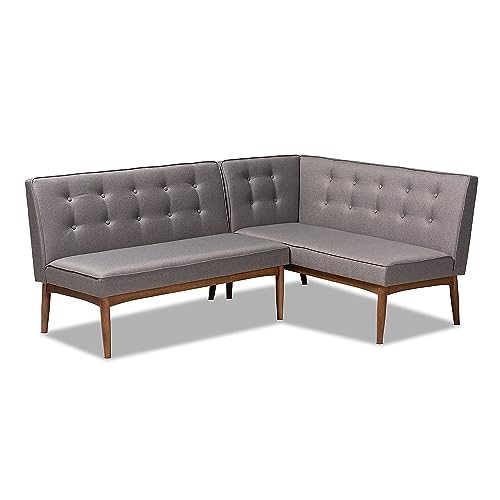
An L-shaped bench with backrests on two sides turns a corner into efficient seating, often paired with a rectangular or square table. This layout is ideal for breakfast nooks and small kitchens. It is closely related to the concept behind a kitchen table with bench and chairs setup, where maximizing seats in a tight footprint matters most.
Bench Plus Chairs Combination
Many buyers prefer a mixed arrangement: a bench along one long side and individual chairs on the other. This preserves the communal look while giving some diners a conventional chair. A dining table with chairs and bench configuration is the most flexible choice for households with mixed ages and mobility needs.
Materials and Durability
The frame material determines how long the set will last and how much maintenance it requires. The table below compares the most common options using universal tier descriptors rather than any numeric figures.
| Material | Market Position | Best For | Maintenance Notes |
|---|---|---|---|
| Solid hardwood (oak, acacia, rubberwood) | Mid-range to premium | Indoor dining rooms and eat-in kitchens | Occasional oiling or sealing; avoid prolonged moisture |
| Engineered wood with veneer | Entry-level to mid-range | Apartments and light-use dining areas | Wipe promptly; keep away from direct heat |
| Metal frame (steel or aluminum) | Mid-range | Industrial, modern, and dual-use indoor/outdoor spaces | Check for rust-proof finish; tighten fasteners seasonally |
| Wicker or rattan over frame | Mid-range to premium | Sunrooms, covered patios, coastal interiors | Dust regularly; protect from prolonged direct sun |
| Upholstered seat and back | Premium to luxury | Formal dining rooms and comfort-first households | Spot-clean performance fabric; vacuum crevices |
For outdoor or covered patio dining, prioritize frames with a rust-proof finish and fabrics rated for UV exposure. A high-quality wicker patio furniture set with a backrest bench is a strong option for covered spaces where the look of woven seating matters. If the set will live fully outdoors, review weather-resistance details in a dedicated weatherproofing guide before committing.
Sizing and Seating Capacity
Bench seating is measured in linear inches per person. As a general rule, allow about 24 inches of bench width per adult diner for comfortable elbow room. Children need less, but planning for adult guests is safer.
- Small sets (2–3 per bench side): benches roughly 48 to 60 inches long, paired with a table seating four to six overall.
- Medium sets (3–4 per bench side): benches roughly 60 to 72 inches long, suited to a six-seat arrangement.
- Large sets (4–5 per bench side): benches 72 inches and longer, often combined with chairs on the opposite side for eight seats.
Table height matters too. Standard dining tables are around 30 inches high, and benches should sit at roughly 17 to 19 inches seat height to match. If you are considering a taller arrangement, a counter-height outdoor dining set or a bar-height patio dining set uses a different proportion, and benches must be matched to that specific height rather than mixed with standard-height seating.
For households that regularly seat eight or more, an outdoor dining set for 8 with bench layout demonstrates how bench seating extends capacity without adding a second row of chairs.
Leave at least 30 inches between the table edge and any wall or counter behind the bench. That clearance allows the bench to slide out for cleaning and lets diners exit smoothly.
Comfort and Ergonomics
The backrest is the defining feature of this seating category, so evaluate it closely. A well-designed bench back should rise to roughly mid-back height and angle slightly backward. Flat, vertical backrests are common on entry-level models and are adequate for short meals but tiring during longer gatherings.
What to Look For
- Backrest height: mid-back support suits dining; low backs prioritize a sleek look.
- Seat depth: aim for 16 to 18 inches so shorter diners are not left with their feet dangling.
- Cushion density: high-resilience foam holds shape better than soft fill over time.
- Fabric choice: performance fabrics resist spills and are easier to clean in busy homes.
- Frame rigidity: a reinforced frame prevents the sway that plagues poorly built benches.
If you plan to add or replace cushions, confirm the seat dimensions first. A set of outdoor chair cushions can work on a bench seat only when the depth and tie points match, so measure before ordering.
Indoor vs. Outdoor Use
The same bench-with-back concept serves both indoor dining rooms and covered patios, but the construction requirements differ.
Indoor Dining Rooms
Indoor sets can use solid wood, veneer, or fully upholstered frames without weather concerns. A dining room table with bench and chairs arrangement is a classic way to combine formal seating with a relaxed bench on one side. For kitchens, a kitchen table bench seat and chairs layout keeps the breakfast area efficient.
Covered Patios and Sunrooms
Outdoor-friendly sets need UV-resistant finishes and quick-drying cushions. Wicker and metal frames dominate this category. A six-person outdoor dining set with umbrella often pairs a bench side with chairs to keep the table shaded and the seating flexible.
Open Patios
For fully exposed outdoor spaces, favor aluminum or powder-coated steel with drainage-friendly cushions. Pair the set with shade from a cantilever patio umbrella with tilt and rotation so the bench stays usable through the hottest part of the day.
How to Choose the Right Set
Work through these steps in order to narrow the field quickly.
- Confirm the room and use case. Decide whether the set lives indoors year-round or on a covered patio. This alone eliminates roughly half the options.
- Set the seating target. Count regular diners plus one or two guests. A bench side usually adds one extra seat compared with chairs.
- Measure the space. Record table length, bench length, and required clearance behind the bench. Compare against product specs rather than photos.
- Pick a tier that matches the intended lifespan. Entry-level sets suit temporary or light-use spaces; premium and luxury tiers make sense for daily family use and long-term investment.
- Check the backrest design. Sit-test if possible, or read reviews that specifically mention back support during long meals.
- Plan the surrounding furniture. Leave room for a bar cart or sideboard so serving items stay off the table.
If you are undecided between bench-only and mixed seating, a seven-piece patio dining set with cushions shows how bench and chair combinations are packaged together, which can simplify the buying decision.
Care and Maintenance
Bench seating is easy to maintain when a few habits are established. Upholstered benches benefit from vacuuming the seat crease and backrest weekly. Wood frames should be wiped with a damp cloth and treated with a suitable sealant once or twice per year depending on climate. Metal frames need a quick check of fasteners and touch-ups where the finish wears.
For outdoor sets, use fitted covers during off-season months and store cushions indoors to prevent mildew. A fire pit cover guide illustrates the same covering principle that applies to protecting outdoor furniture from the elements. Review general garden care practices to keep the surrounding space tidy and reduce debris buildup on the set.
Frequently Asked Questions
Is a bench with a back comfortable for long meals?
Yes, provided the backrest is angled and reaches mid-back height. Upholstered benches with high-resilience foam are the most comfortable for extended dinners. Flat, upright backrests are better suited to short meals.
How many people fit on a bench with a back?
Allow about 24 inches of bench length per adult. A 60-inch bench seats two to three adults comfortably, while a 72-inch bench seats three to four depending on the seat design and cushion width.
Can I use a bench with a back outdoors?
Only if the frame and upholstery are rated for outdoor use. Choose rust-proof metal or treated wood frames and quick-drying, UV-resistant cushions. Under a covered patio, wicker sets perform well.
Should I pair a bench with chairs or use benches on both sides?
Benches on both sides maximize seating and create a cohesive look, but mixed seating with chairs offers more flexibility for guests with mobility needs. Many households prefer one bench plus chairs.
How much clearance do I need behind the bench?
Plan for 12 to 18 inches of pull-out room behind the bench so diners can sit and stand comfortably. If the bench backs onto a wall, ensure the backrest can tilt without scraping.
What height bench goes with a standard dining table?
Standard dining tables are about 30 inches tall, so bench seats should be roughly 17 to 19 inches high. Counter-height and bar-height tables require benches matched to those specific heights.