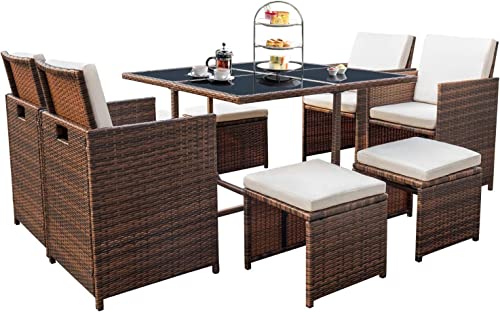
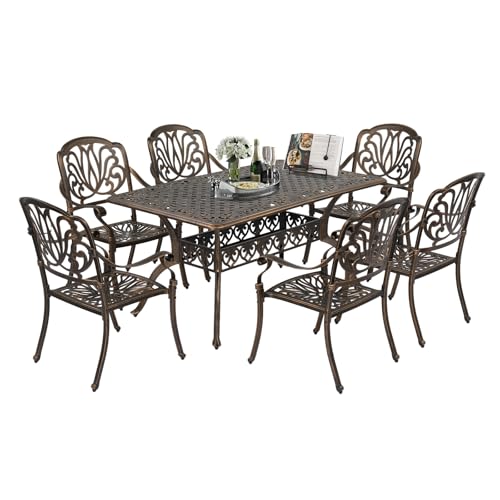
Heavy Outdoor Dining Furniture for Windy Areas
Build a dining setup that stays put when the gusts arrive. Learn which materials, weights, and anchoring strategies keep your patio table and chairs stable in exposed, breezy locations.
Why wind stability matters: A dining set that shifts, tips, or tumbles in a gust is more than an inconvenience — it is a safety risk and a fast track to damaged furniture. If your patio, deck, or terrace sits on a hilltop, near the coast, or in a corridor between buildings, ordinary lightweight sets may not be enough. This guide explains what makes outdoor dining furniture genuinely wind-resistant, how to compare heavy-duty options, and how to anchor your setup for long-term peace of mind.
Why Windy Areas Demand a Different Approach
Wind does not simply push furniture — it creates lift, torque, and lateral force that can flip a table or slide a chair across a deck. The physics are straightforward: the larger the surface area catching the wind, the greater the force applied to the piece. A lightweight plastic chair with a broad back acts like a sail, while a low-profile cast aluminum chair with a weighted frame resists that same gust far more effectively.
This is why generic patio sets often disappoint in exposed locations. Manufacturers design many entry-level and mid-range sets for sheltered courtyards and covered porches, not for open terraces where sustained breezes are the norm. If your outdoor space regularly experiences strong wind, the right strategy is to prioritize mass, a low center of gravity, and wind-shedding shapes — then reinforce with anchoring where needed.
Best Materials for Wind-Resistant Dining Furniture
Material choice is the single biggest factor in how a dining set performs in wind. The table below compares the most common construction materials by weight, stability, and suitability for exposed locations.
| Material | Relative Weight | Wind Performance | Best For |
|---|---|---|---|
| Cast aluminum | Heavy | Excellent — dense frame, low lift | Premium and luxury dining sets in exposed areas |
| Cast iron / steel | Very heavy | Outstanding — maximum stability | Permanent installations, commercial-grade setups |
| Solid stone / concrete | Extremely heavy | Exceptional for table tops | Fixed dining tables that will not be moved |
| Thick HDPE / recycled plastic | Moderate to heavy | Good when weighted or anchored | Weatherproof family sets in breezy gardens |
| Teak and dense hardwoods | Moderate to heavy | Good — solid build resists tipping | Classic dining sets in mixed climates |
| Thin aluminum / tubular frames | Light | Poor unless anchored | Sheltered patios only |
| Resin / plastic | Very light | Poor — prone to blowing over | Portable or seasonal use, calm locations |
For most homeowners in windy areas, cast aluminum strikes the best balance: it is heavy enough to stay grounded, resists rust, and is available in well-designed mid-range and premium dining sets. If you want maximum permanence, cast iron or stone-topped tables are the top-tier choice. For a deeper dive into material longevity, our article on good wood for outdoor furniture explains how dense hardwoods compare.
Choosing a Wind-Resistant Dining Table
The table is usually the largest and heaviest piece in a dining set, which makes it the anchor of the whole arrangement. A substantial table not only stays put itself — it also gives chairs a reference point and reduces the chance of the entire set shifting in a gust.
What to look for in a heavy table
- Weighted base or pedestal: A wide, heavy base lowers the center of gravity. Pedestal tables with cast bases are often more wind-stable than four-legged tables with thin legs.
- Solid or thick table top: Cast aluminum, stone, or thick HDPE tops resist lift far better than thin glass or hollow plastic. Solid tops also avoid the shatter risk of glass in storms.
- Low profile: Tables with lower aprons and less open space underneath catch less wind than tall, airy designs.
- Umbrella hole with a weighted base: If you use a shade umbrella, a heavy base is essential. An unweighted umbrella in a windy area can tip an otherwise stable table. See our recommendations for a heavy-duty outdoor umbrella stand with wheels.
- Reinforced joints: Bolted or welded frames hold up better than friction-fit or glued joints when furniture is stressed by wind.
Rectangular tables with six or eight chairs are common for family dining, and heavier models in these configurations are widely available. If you are comparing layouts, our guide to a glass-top rectangular outdoor dining table covers shape and seating considerations, though for windy sites a solid top is generally the safer pick. You can also explore heavy-duty patio tables with umbrella holes for setups that need shade without sacrificing stability.
Selecting Dining Chairs That Stay Put
Chairs are the most likely pieces to blow over because they are lighter than tables and present a tall surface to the wind. In a windy area, chair selection deserves as much attention as the table.
Features that improve chair stability
- Heavier frame material: Cast aluminum and steel chairs outperform thin tubular aluminum and plastic.
- Low back height: Tall-backed chairs catch more wind. If you love a high back for comfort, plan to anchor the chair or store it during high-wind seasons.
- Weighted or solid seats: A substantial seat pan adds mass exactly where it helps most — low down.
- Stackable vs. fixed: Stackable chairs are convenient but often lighter. Fixed-frame dining chairs tend to be more wind-resistant.
- Armrests and closed frames: Open, spindly designs allow wind to pass through but also reduce mass. A balance of solid construction and moderate airflow is ideal.
If your site is extremely exposed, consider chairs that can be secured with a cable or chain through the frame, or choose a set where chairs tuck fully under the table so the table itself shields them. For more outdoor seating ideas that complement a heavy dining setup, browse our garden chairs collection.
Anchoring and Placement Strategies
Even heavy furniture benefits from smart placement and a few anchoring techniques. These measures are especially important during storm season or in locations with frequent strong gusts.
- Choose a sheltered spot: Position the dining set near a wall, fence, hedge, or the leeward side of your home. Wind shadows reduce the force hitting the furniture.
- Use ground anchors or sandbags: For tables with legs, sandbags or weighted plates on the feet can add meaningful stability. Permanent setups can be bolted into a hardscape.
- Weight the umbrella base: Never rely on the table alone to hold an umbrella. Use a dedicated heavy base, ideally one rated for wind.
- Store or secure cushions: Cushions act as sails. Remove them before storms or use tie-downs and storage boxes.
- Consider a windbreak: A glass or solid panel windbreak, a pergola with a louvered roof, or a row of tall planters can dramatically reduce wind at seating height.
Comparing Heavy Dining Set Configurations
Once you know the materials and features to prioritize, the next step is choosing a configuration that fits your space and household. The table below summarizes common setups using universal tier descriptors rather than any specific figures.
| Configuration | Tier | Best For | Wind Notes |
|---|---|---|---|
| 4-seat cast aluminum set | Mid-range to premium | Couples and small families in breezy gardens | Good stability; table anchors the group |
| 6-seat heavy-duty set | Premium to high-end tier | Family dining on exposed patios | Excellent when table is solid-topped |
| 8-seat commercial-grade set | Professional-grade | Large terraces and hospitality spaces | Outstanding; designed for demanding conditions |
| Bistro-style heavy set | Essential to mid-tier | Compact balconies with wind exposure | Choose a weighted pedestal base |
| Stone-topped fixed table | Luxury / flagship tier | Permanent outdoor dining rooms | Maximum stability; not portable |
For small spaces, a compact but heavy setup works well — our guide to a garden table and chairs for a small garden covers space-saving options. Larger households may prefer a garden table and 6 chairs configuration, which balances seating capacity with manageable footprint. If you entertain often, a garden set with matching heavy chairs keeps the look cohesive and the performance consistent.
Maintenance for Windy, Exposed Locations
Wind often comes with dust, salt spray, and debris, so maintenance matters more in exposed sites. A few habits keep heavy furniture performing for years:
- Inspect fasteners seasonally: Wind-induced vibration can loosen bolts. Tighten joints at the start and end of each season.
- Rinse and dry frames: Remove grit and salt to prevent finish wear, especially on metal frames near the coast.
- Use fitted covers: During off-season or storms, protective covers reduce exposure. Our guide to heavy-duty waterproof patio furniture covers explains what to look for.
- Store cushions and umbrellas: These are the most wind-vulnerable components. Bring them in when strong winds are forecast.
- Check anchoring points: Re-seat sandbags, re-tension straps, and verify that umbrella bases remain fully weighted.
Ready to Compare Wind-Resistant Dining Sets?
Browse hand-picked heavy outdoor dining furniture options selected for stability, durable construction, and long-term performance in breezy locations.
Explore Recommended SetsFrequently Asked Questions
What is the heaviest material for outdoor dining furniture?
Cast aluminum and cast iron are among the heaviest and most wind-resistant materials for outdoor dining furniture. Solid stone and concrete tables are also extremely heavy and stable, though they are less portable.
How much weight is needed to keep patio furniture from blowing over?
There is no single number, as wind speed, surface area, and shape all matter. In general, heavier pieces with a low center of gravity perform best. Tables should be heavy enough that they cannot be lifted by typical gusts in your area, and chairs should be weighted or anchored.
Can lightweight furniture be used in windy areas?
Lightweight furniture can be used in windy areas only if it is anchored, weighted, or stored during high winds. For permanent outdoor dining setups, heavy-duty or weighted furniture is a more reliable choice.
What is the best way to anchor an outdoor dining table in wind?
Use furniture with weighted bases, secure the table with ground anchors or sandbags, choose a location sheltered from prevailing winds, and consider adding a weighted umbrella base if using a shade umbrella. For severe wind zones, permanent anchoring into a hardscape is the most reliable solution.
Should I choose a glass or solid top for a windy patio table?
For windy areas, solid tops such as cast aluminum, stone, or thick HDPE are generally safer and more stable than glass. Glass tops are heavier than they look but can shatter if struck by flying debris during a storm.
Final Thoughts
Heavy outdoor dining furniture is the foundation of a comfortable, safe patio in windy locations. Prioritize cast aluminum, cast iron, stone, or thick HDPE construction; choose low-profile tables with weighted bases; select chairs with solid frames; and anchor your setup with sandbags, ground anchors, and a properly weighted umbrella base. Combined with sensible placement and seasonal maintenance, these choices let you enjoy al fresco dining without worrying about the next gust.
For further inspiration on complementary pieces, explore our garden furniture hub and our garden furniture conversation sets for lounge-style arrangements that pair well with a heavy dining table.