Long Dining Table with Bench and Chairs: The Complete Outdoor Buying Guide
Everything you need to know before choosing a long dining table with bench and chairs — seating layouts, table dimensions, material choices, and design considerations for a backyard that brings people together.
Research-backed guidance for homeowners planning a long-term outdoor dining investment.
1. Why a Long Dining Table with Bench and Chairs Works
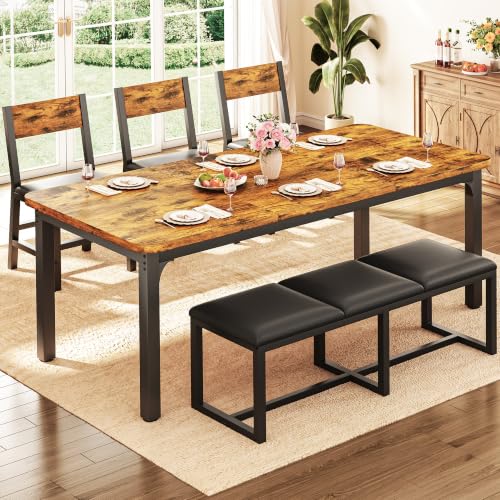
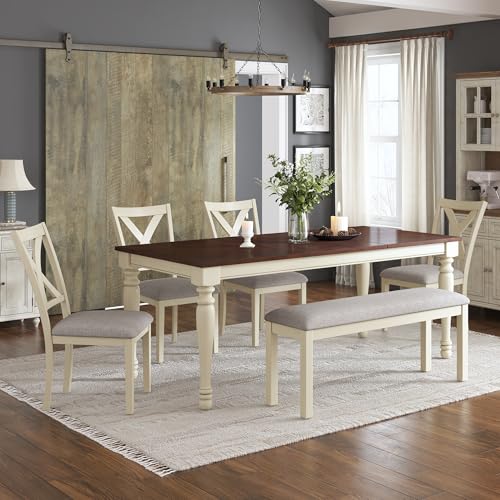
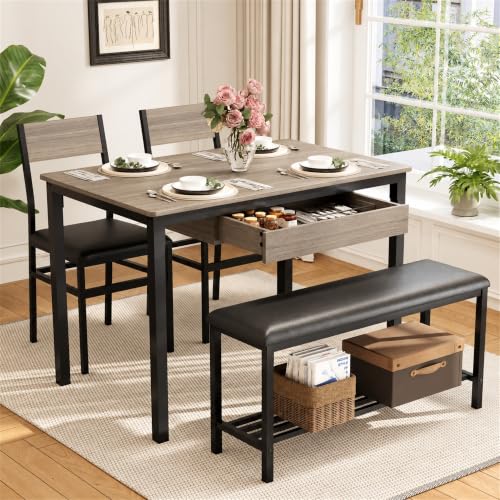
A long dining table with bench and chairs is one of the most versatile outdoor furniture configurations available. The elongated table surface creates room for generous spread of plates, serving platters, and centerpieces, while the bench-and-chair combination balances informal charm with practical comfort. This arrangement is especially popular on patios, decks, and covered lanais where homeowners want a communal gathering point rather than a strictly formal dining setup.
The hybrid seating approach solves a common outdoor dilemma: benches look cohesive and allow you to seat more guests along a long side, while chairs offer back support and individual flexibility. Combining both means you can host large family dinners, casual weekend brunches, and holiday gatherings without needing to reconfigure the entire space. For homeowners exploring broader layout options, the large outdoor dining table with umbrella hole guide is a useful companion read.
From a design perspective, long tables visually anchor an outdoor room. They draw the eye horizontally, making narrow patios feel more intentional and wide decks feel more defined. A bench along one side reinforces that linear flow, while chairs on the opposite side add visual rhythm and depth.
2. Seating Layouts and Capacity Planning
Before selecting a table, decide how you want guests to sit. The most common layout places a bench along one long side and chairs around the remaining three sides. Another popular arrangement uses two benches on the long sides with chairs only at the heads. Each has trade-offs in comfort, access, and visual balance.
Common Seating Configurations
- One bench + chairs on remaining sides: The most balanced option. The bench side seats three to five adults, and chairs fill the opposite long side plus the two ends. This layout works well when one side of the table faces a wall or railing.
- Two benches + end chairs: A fully communal look with maximum seating along the long sides. Best for households that frequently host large groups and do not mind the slightly tighter access.
- Bench on one side, chairs on the other, no end chairs: A cleaner, more minimalist silhouette. Ideal for narrower patios where end chairs would block walkways.
- Benches on the long sides and chairs at the heads only: A classic farmhouse-inspired layout that emphasizes the table's length and keeps the ends visually open.
As a general planning rule, allow roughly 24 inches of table edge per seated adult for comfortable elbow room. A table that is 84 to 96 inches long can typically seat three adults per long side, while a table of 108 inches or more can accommodate four per side. End seats add one to two additional places depending on table width. If you are weighing larger formats, the large dining table with bench and chairs reference is a helpful benchmark for scale.
3. Table Dimensions and Proportion Guide
Proportion is what separates a beautiful long table from an awkward one. A table that is too narrow looks cramped when serving platters are placed down the center; a table that is too wide makes conversation across the table difficult. For most outdoor long tables, a width between 36 and 40 inches is the sweet spot, while lengths range from roughly 72 inches for compact patios up to 120 inches for grand entertaining spaces.
| Table Length | Typical Seating | Best For | Proportion Note |
|---|---|---|---|
| 72–78 inches | 6 adults (bench + 3 chairs + 1 end) | Small patios, balconies, starter layouts | Pair with a 60–66 inch bench |
| 84–96 inches | 8 adults (bench + 4 chairs + 2 ends) | Mid-size decks and family dining | Pair with a 72-inch bench |
| 108–120 inches | 10–12 adults (two benches + end chairs) | Large patios, hosting-focused layouts | Pair with two 96-inch benches |
Height matters too. Standard outdoor dining tables sit around 28 to 30 inches high, with benches typically 17 to 19 inches high and chairs 17 to 18 inches at the seat. Keeping these ratios aligned ensures the bench and chairs feel like a coordinated set rather than mismatched pieces. If you are considering a round alternative for tighter footprints, the large round outdoor dining table seats 8 guide offers a useful contrast in layout planning.
4. Material Choices and Durability Tiers
The material you choose for a long dining table with bench and chairs determines not just appearance but long-term maintenance. Outdoor furniture falls into recognizable tiers, and understanding them helps you match a set to your climate and usage habits.
Entry-Level Tier: Resin, HDPE, and Basic Aluminum
Entry-level outdoor dining sets typically use high-density polyethylene (HDPE) or powder-coated aluminum frames with composite or plastic tops. These sets are lightweight, resistant to moisture and insects, and easy to wipe down. They suit covered patios and homeowners who prefer low-maintenance furniture without the upkeep of natural wood. Durability is solid for the tier, though heavy daily exposure to intense sun may cause gradual color fading over many seasons.
Mid-Range Tier: Acacia, Eucalyptus, and Reinforced Metal
Mid-range sets commonly feature acacia or eucalyptus hardwood, or reinforced aluminum frames with thicker powder coating. These materials offer a warmer, more natural look than entry-level options and can last many years with proper sealing. Acacia is dense and weather-resistant when finished correctly; eucalyptus is naturally rot-resistant and often sourced sustainably. Metal frames in this tier tend to use high-grade steel or thicker aluminum with rust-proof finishes, making them a solid choice for year-round outdoor use.
Premium and Luxury Tiers: Teak and Marine-Grade Materials
Premium sets typically use Grade A teak, known for its natural oils that resist moisture and pests, or marine-grade stainless steel hardware paired with high-quality hardwood. These materials are a long-term investment: they weather gracefully, develop a silver patina if left untreated, and can be refinished for decades of use. Luxury-tier sets may also feature thicker slabs, precision joinery, and integrated umbrella compatibility. For a deeper comparison of material lifespans, the longest-lasting outdoor furniture material guide is worth reviewing before committing.
| Tier | Common Materials | Best For | Maintenance Level |
|---|---|---|---|
| Entry-level | HDPE, resin, basic aluminum | Covered patios, casual family use | Low — wipe clean |
| Mid-range | Acacia, eucalyptus, reinforced aluminum | Year-round outdoor dining | Moderate — annual sealing |
| Premium | Grade A teak, high-grade steel | Long-term investment, full sun exposure | Moderate — occasional oiling |
| Luxury | Marine-grade stainless, thick hardwood slabs | Design-led spaces, commercial-grade durability | Low to moderate — refinish as needed |
5. Bench vs Chairs: When to Combine Both
Benches and chairs each bring distinct advantages. Benches create a clean, continuous line that complements long tables and allow more people to sit along a single side. They are also easy to tuck under the table, which keeps walkways clear when the table is not in use. Chairs, by contrast, offer back support, easier access, and the ability to be repositioned for conversation or pulled up to another seating area.
The best setup for most households is a hybrid: a bench along the side that faces a wall, railing, or view, with chairs on the opposite side and at the ends. This arrangement gives you the visual benefits of bench seating while preserving the comfort and flexibility of chairs. Households with older guests or anyone who needs easier access should consider chairs on both long sides and a bench at one end instead.
If you are still comparing layout styles, the large outdoor dining table with fire pit guide covers a different but complementary entertaining approach that pairs well with long-table seating.
6. Design and Styling Tips for Long Tables
Long dining tables are a designer favorite because they offer a broad canvas for styling. A few principles help the table look intentional rather than crowded.
- Use a runner, not a full cloth: A fabric or woven runner down the center adds warmth and defines the table's length without hiding the material underneath.
- Cluster centerpieces in odd numbers: Three smaller planters or candle groupings tend to look more natural than two large matching pieces.
- Repeat elements along the length: Matching place settings, evenly spaced lanterns, or a line of small potted herbs reinforce the table's horizontal rhythm.
- Choose chairs that echo the bench material: Wood benches pair naturally with wood chairs; metal benches pair well with metal-framed chairs. Consistency keeps the set cohesive.
- Add an umbrella for shade: If the table sits in full sun, an umbrella-compatible design extends usable hours. The large patio umbrellas guide helps match canopy size to table length.
For broader outdoor design inspiration, the outdoor living section includes layout ideas that pair dining tables with lounge and shade zones.
7. Care and Weatherproofing Essentials
Even the most durable long dining table with bench and chairs benefits from routine care. Wood tables should be cleaned with a mild soap solution and resealed annually if you want to preserve their original color; left untreated, teak and eucalyptus will develop a natural silver-gray patina. Metal frames should be wiped down and inspected for scratches in the powder coating, which can be touched up to prevent rust. HDPE and resin sets simply need a periodic wash with soap and water.
Cushions and bench pads should be brought indoors or stored in a weatherproof container during heavy rain and off-season months. For storage ideas that fit a range of patio sizes, the large outdoor storage containers waterproof guide covers practical options. If the table sits under trees, cover it during pollen season to reduce cleaning time.
During winter, use a breathable cover rather than a fully sealed one to prevent condensation buildup. This is especially important for wood tables, which can warp if moisture is trapped against the surface.
8. Frequently Asked Questions
How many people can a long dining table with bench and chairs seat?
Seating capacity depends on table length and bench configuration. A common layout places a bench along one long side and chairs around the remaining sides, which typically seats six to ten adults comfortably depending on the table's overall dimensions and the width of each seat.
Is a bench more comfortable than chairs for long dining tables?
Benches offer a clean, communal look and let you seat more people along a long side, but individual chairs provide back support and easier access. Many households combine both: a bench on one side for a relaxed look and chairs on the other for comfort and flexibility.
What material is best for an outdoor long dining table with bench and chairs?
Teak, acacia, and eucalyptus are popular hardwood choices for their natural weather resistance. Powder-coated aluminum and high-grade steel offer durability with lighter weight, while HDPE and resin are low-maintenance options for entry-level and mid-range sets.
How much clearance do I need around a long dining table with bench and chairs?
Plan for at least 36 inches of clearance on all sides so people can pull out chairs and walk behind seated guests. If the bench is fixed along one side, allow extra room on that side for sliding in and out.
Final Thoughts
A long dining table with bench and chairs is more than a furniture purchase — it is a decision about how your outdoor space will be used for years to come. By aligning seating capacity with your hosting habits, choosing proportions that fit your patio, and selecting a material tier that matches your maintenance preferences, you can create a dining area that feels both beautiful and practical. Use the guidelines in this article as a checklist, and you will be well positioned to choose a set that supports countless outdoor meals and gatherings.