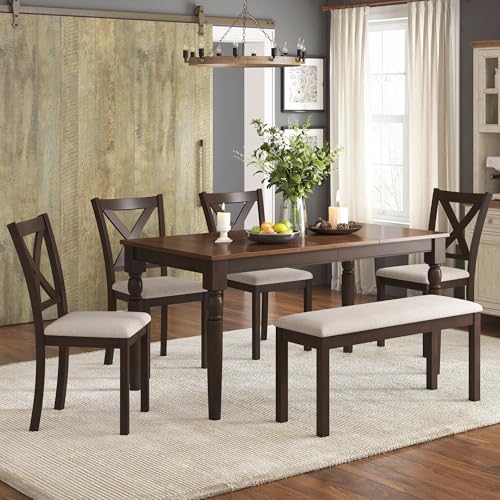
Why a Large Dining Table with Bench and Chairs Works
A large dining table paired with a bench on one side and chairs on the other is one of the most practical layouts for outdoor entertaining. The bench maximizes seating along the long side, while chairs at the ends and opposite side provide back support and easier individual access. This mixed approach is especially useful when you regularly host family dinners, weekend brunches, or neighborhood gatherings.
Beyond capacity, the combination offers visual balance. A long bench softens the look of a heavy table, and chairs add structure and comfort. For homeowners comparing formats, the hybrid setup sits between a pure dining table set with chairs and bench and a full chair-only arrangement. It also pairs well with the broader guidance in our outdoor dining set buying guide.
If your space leans toward a more traditional look, a rectangular cast aluminum patio dining table can provide the classic silhouette many buyers want. For those who prefer a lighter visual weight, a metal outdoor dining table or even a white garden table can anchor the same bench-and-chair layout with a different aesthetic.
Sizing and Seating Capacity
Getting the size right is the single most important decision. A table that is too small forces cramped seating; one that is too large overwhelms the space and makes conversation difficult. The table below summarizes typical capacity by table length for a bench-and-chair setup.
| Table Length | Typical Seating | Best For | Notes |
|---|---|---|---|
| 72 inches (6 ft) | 6 to 8 people | Small families, patios | One bench per long side or bench plus chairs |
| 84 inches (7 ft) | 8 people | Mid-size gatherings | Comfortable mix of bench and chairs |
| 96 inches (8 ft) | 8 to 10 people | Large decks, entertaining | Bench plus end chairs works well |
| 108+ inches (9 ft+) | 10 to 12 people | Commercial-grade or event use | Consider two benches or bench plus chairs |
As a rule of thumb, allow about 24 inches of table edge per seated person. Benches generally accommodate two to three adults per side, depending on bench length. If you are planning a specific gathering size, our guide to an outdoor dining table and chairs for 8 offers a useful reference point for layout and proportions.
Also consider table height. Standard dining height (around 28 to 30 inches) suits most benches and chairs. Bar-height tables change the seating dynamics and may require taller benches, so confirm compatibility before pairing.
Materials Comparison for Outdoor Dining Tables
The material determines durability, maintenance, and how the table ages. The most common options for a large outdoor dining table with bench and chairs fall into a few well-defined tiers.
Teak and Hardwood
Teak is a premium choice known for natural oils that resist moisture and insects. It weathers to a silver-gray patina over time and can be refreshed with oiling. Hardwood tables are heavy-duty and feel substantial, but they require periodic sealing. For complementary seating, teak lounge chairs illustrate how the material performs in other outdoor formats.
Powder-Coated Aluminum
Aluminum is lightweight, rust-resistant, and easy to move. Powder-coated finishes add color and scratch resistance. A metal patio furniture set in aluminum is a strong mid-range option for homeowners who want low maintenance. Some aluminum tables are finished to resemble wood, as seen in metal outdoor tables that look like wood.
High-Density Polyethylene (HDPE)
HDPE is a modern recycled plastic that resists moisture, UV, and insects. It requires minimal care and is often used in modern recycled plastic outdoor furniture. It sits in the mid-tier for durability and is a practical choice for coastal or humid climates.
Concrete and Stone Composite
An outdoor concrete dining table offers a heavy, architectural presence. It is a luxury or high-end tier choice, best suited to permanent installations where mobility is not required.
| Material | Tier | Best For | Maintenance |
|---|---|---|---|
| Teak / Hardwood | Premium | Classic look, long-term use | Periodic oiling or sealing |
| Powder-Coated Aluminum | Mid-range | Low-maintenance patios | Wipe down, occasional touch-ups |
| HDPE Recycled Plastic | Mid-tier | Coastal or humid climates | Soap and water |
| Concrete / Stone Composite | Luxury | Permanent, architectural setups | Seal periodically |
For a deeper breakdown of finishes and construction, the materials guide is a helpful companion read.
Bench vs Chairs: Which Should You Choose?
Both seating types have clear strengths. Benches increase capacity and create a casual, communal atmosphere. Chairs provide back support, easier access, and a more formal appearance. Many buyers combine them for flexibility.
- Benches: Best for families with children, casual gatherings, and maximizing seat count. A weather-resistant outdoor bench is a practical long-term choice.
- Chairs: Best for older guests, formal dining, and individual comfort. Replacement cushions can extend their life, as shown in outdoor dining chair replacement cushions.
- Mixed setup: Bench on one long side, chairs on the other and at the ends. This is the most versatile arrangement for a large table.
If you are still weighing formats, our outdoor dining set overview covers the main configurations, and the outdoor dining sets for 6 and outdoor dining sets for 6 with umbrella pages show how capacity and shade interact.
Layout and Clearance Planning
A large table needs breathing room. Plan for at least 36 inches of clearance on all sides so guests can pull out chairs and benches comfortably. If people will walk behind seated guests, increase clearance to 44 to 48 inches.
Consider the table's orientation relative to your home and shade structures. A table placed near a patio umbrella or under a pergola gains usable hours in the afternoon. If your space is tight, a light-weight folding table is a flexible alternative for occasional large gatherings.
For a quick visual check, map the table footprint on your deck with painter's tape. Walk the perimeter and simulate seating. This simple step prevents the most common post-purchase regret: a table that fits the space but not the movement around it.
Quick tip: If your dining area doubles as a walkway, choose a narrower table (36 to 40 inches wide) and rely on benches to keep the footprint efficient. Wider tables (42 inches and up) are better for dedicated dining zones.
Weatherproofing and Care
Outdoor dining furniture takes a beating from sun, rain, and temperature swings. A few habits keep your table and seating in good condition for years.
- Covers: Use waterproof outdoor furniture covers during off-season or heavy rain. Breathable covers prevent condensation.
- Cushions: Store or use waterproof outdoor furniture cushions for benches and chairs. Our outdoor cushion guide explains fill and fabric choices.
- Storage: A water-resistant outdoor storage cabinet or waterproof outdoor box keeps cushions and small items dry.
- Cleaning: Wipe surfaces monthly and inspect hardware for rust. For deeper maintenance, see our weatherproofing guide.
If you are adding shade or accessories, the outdoor dining table with umbrella hole and chairs page shows how integrated shade changes the care routine.
Frequently Asked Questions
Ready to Compare Options?
Explore recommended large dining tables with bench and chairs, chosen for durability, capacity, and outdoor performance.
View Recommended Options