Outdoor Cabinet Buying Guide: Weatherproof Storage Solutions
Protect your patio cushions, garden tools, and outdoor essentials with the right weatherproof cabinet. Our comprehensive guide covers materials, sizing, features, and maintenance so you can choose with confidence.
EXPLORE TOP PICKSWhy an outdoor cabinet matters: Leaving cushions, tools, and accessories exposed to rain, sun, and pests shortens their lifespan and clutters your outdoor space. A well-chosen outdoor cabinet keeps everything dry, organized, and within reach — turning a messy patio into a functional, beautiful retreat.
What You'll Learn
- What Is an Outdoor Cabinet and Why You Need One
- Choosing the Right Material: Resin, Metal, or Wood
- Sizing and Capacity: Finding the Perfect Fit
- Key Features That Make a Difference
- Placement and Weather Protection
- Quality Tiers: Entry-Level to Commercial-Grade
- Maintenance and Longevity Tips
- Frequently Asked Questions
What Is an Outdoor Cabinet and Why You Need One
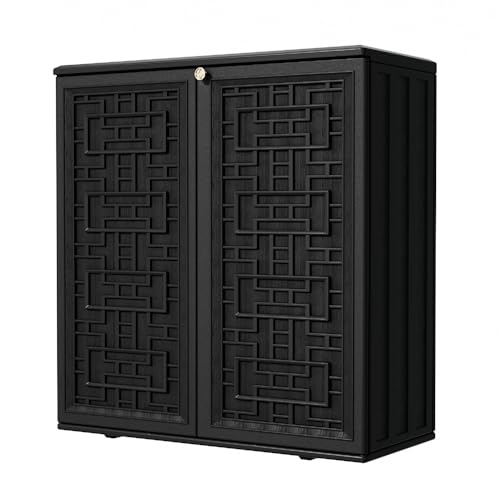
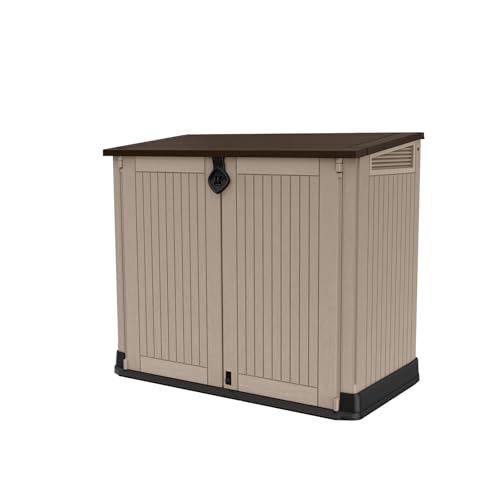
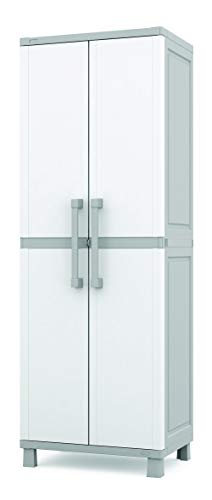
An outdoor cabinet is a weather-resistant storage unit designed to live on your patio, deck, porch, or in your garden. Unlike indoor cabinets, these units are built to withstand moisture, UV exposure, temperature swings, and pest intrusion. They come in freestanding, wall-mounted, and bench-style configurations, each suited to different spaces and storage needs.
The benefits go beyond simple tidiness. A dedicated outdoor cabinet:
- Protects your investment. Cushions, textiles, and wooden accessories degrade quickly when exposed to rain and sun. A sealed cabinet keeps them dry and extends their usable life.
- Reduces clutter. Pool toys, gardening tools, grill accessories, and serving pieces all have a home, freeing up your patio for relaxation and entertaining.
- Improves safety. Sharp tools and chemicals stored properly are less likely to cause accidents. Lockable cabinets also keep children and pets away from hazardous items.
- Adds functional surface area. Many cabinets double as side tables, benches, or prep stations, making them a smart multi-purpose addition to a compact outdoor space.
If you are outfitting a new patio from scratch, an outdoor cabinet pairs naturally with foundational pieces like an outdoor coffee table with storage and a weather-resistant console table. Together, these form a storage strategy that keeps your outdoor living area both beautiful and practical.
Choosing the Right Material: Resin, Metal, or Wood
The material of your outdoor cabinet determines its durability, maintenance requirements, and appearance. Here is how the three main options compare:
Resin and High-Density Polyethylene (HDPE)
Resin cabinets are the most popular choice for outdoor storage because they are naturally waterproof, UV-resistant, and require virtually no maintenance. High-density polyethylene models resist fading, cracking, and warping even in harsh climates. They are lightweight enough to move around but sturdy enough to hold heavy cushions. The main trade-off is aesthetic — resin cabinets look functional rather than furniture-grade, though higher-end models now mimic wood grain and paneling convincingly.
Metal (Steel and Aluminum)
Metal cabinets offer superior security and a sleek, modern look. Powder-coated steel provides excellent rust resistance when the coating is intact, while aluminum is naturally corrosion-resistant and lighter. Metal cabinets are ideal for storing tools and valuables that need to be locked away. However, they can dent, and any scratch that breaches the coating becomes a rust risk. Look for galvanized or stainless steel hardware and fully seam-welded construction for the best longevity.
Wood and Composite Wood
Wood cabinets blend seamlessly with natural outdoor settings and can be stained or painted to match your decor. Cedar and teak are naturally rot-resistant, while composite wood (a blend of wood fiber and plastic) offers better weather resistance than solid wood with a similar appearance. Wood requires annual sealing or painting to maintain its protective barrier, and it is heavier than resin. For a cohesive look, pair a wood cabinet with wooden Adirondack chairs or a wooden bench.
| Material | Weather Resistance | Maintenance | Security | Best For |
|---|---|---|---|---|
| Resin / HDPE | Excellent | Minimal | Moderate | Cushions, pool toys, everyday items |
| Powder-Coated Steel | Very Good | Low | High | Tools, valuables, security-focused storage |
| Aluminum | Excellent | Low | Moderate | Coastal areas, lightweight needs |
| Cedar / Teak | Good (with sealing) | Annual sealing | Moderate | Natural aesthetics, decorative settings |
| Composite Wood | Very Good | Low | Moderate | Wood look with better durability |
Sizing and Capacity: Finding the Perfect Fit
An outdoor cabinet that is too small forces you to stack items precariously; one that is too large dominates your patio. Measure your space and your storage items before you shop.
Measure Your Items First
Gather the items you plan to store — folded cushions, gardening tools, grill accessories, pool toys — and measure the largest dimensions. Add at least 20 percent extra space for airflow and future additions. For cushion storage, a cabinet at least 24 inches deep and 48 inches wide is a practical starting point. For small accessories, a compact 30-inch unit may be sufficient.
Consider the Footprint
Walk the intended location and mark the cabinet’s footprint with painter’s tape. Check that doors can open fully without blocking walkways, and that the cabinet does not interfere with furniture placement. If space is tight, a vertical cabinet or a bench-style unit that doubles as seating is a smart choice. Pair it with a compact outdoor side table to create a functional corner without crowding the area.
Height and Access
Tall cabinets maximize vertical storage but can feel imposing on a small patio. Low, wide cabinets are easier to access and double as bench seating, but they consume more floor space. Measure the swing radius of the doors and consider whether a top-opening or front-opening design suits your space better.
Key Features That Make a Difference
Not all outdoor cabinets are created equal. These features separate a cabinet that lasts a decade from one that fails after two seasons:
Seals and Gaskets
Rubber or foam gaskets around the doors and lid are the first line of defense against moisture. Look for cabinets with tight-fitting, replaceable seals and a sloped or overhanging lid that directs water away from the opening. A cabinet without proper sealing will accumulate condensation and promote mold growth inside.
Elevated Feet or Legs
Raising the cabinet off the ground prevents water from pooling underneath and allows air circulation. This is especially important on decks and patios where rainwater can collect. Choose a model with at least one inch of clearance.
Ventilation
Some moisture is inevitable, even in sealed cabinets. Built-in vents or breathable panels allow trapped humidity to escape without letting rain in. If your cabinet lacks vents, add silica gel packets or a rechargeable moisture absorber.
Locking Mechanism
If you store tools, chemicals, or valuables, a lockable cabinet is essential. Look for cam locks or padlock hasps made from rust-resistant materials. Some models offer keyed-alike locks so you can use a single key for multiple storage units.
Shelving and Dividers
Adjustable shelves let you customize the interior for different items — tall bottles on one shelf, folded textiles on another. Removable dividers keep small items organized and prevent them from sliding around when the cabinet is moved.
Placement and Weather Protection
Where you place your outdoor cabinet affects both its performance and its lifespan. Even the best cabinet will struggle if it sits in a poorly chosen spot.
Choose a Sheltered Location
Place the cabinet under an overhang, on a covered porch, or beside a wall that blocks prevailing wind and rain. Avoid low spots where water pools, and keep the cabinet away from sprinkler heads and roof runoff. If your only option is an exposed location, choose a resin cabinet with a fully sealed lid and reinforced weatherstripping.
Create a Stable Base
A level, solid surface prevents the cabinet from wobbling and keeps doors aligned. On uneven patios, use shims under the feet. On soft ground, place the cabinet on a concrete pad or gravel base to prevent sinking and moisture wicking.
Anchor in Windy Areas
Lightweight resin cabinets can tip in strong winds. If your patio is exposed, choose a heavier model or use tie-down straps and wall anchors. Some cabinets come with pre-drilled anchor points for this purpose.
Thoughtful placement complements your overall patio layout. If you are planning a seating area, position the cabinet near your outdoor bar set or outdoor chairs so serving pieces and extra cushions are always within reach.
Quality Tiers: Entry-Level to Commercial-Grade
Outdoor cabinets fall into distinct quality tiers. Understanding these tiers helps you match a cabinet’s construction and features to your needs without over- or under-buying.
Entry-Level
Basic resin cabinets with simple friction-fit lids. Suitable for light-duty storage of pool toys and small accessories in sheltered locations. Expect thinner walls and fewer features.
Mid-Range
Reinforced resin or powder-coated steel with gasketed doors, adjustable shelves, and lockable latches. A solid choice for everyday cushion and tool storage in most climates.
Premium
Heavy-duty HDPE or fully welded aluminum with precision seals, ventilation systems, and premium hardware. Designed for year-round outdoor use and frequent access.
Commercial-Grade
Industrial resin or stainless steel cabinets built for high-traffic hospitality and commercial settings. Maximum durability, security, and weather resistance with the highest load ratings.
In most residential settings, a mid-range or premium cabinet offers the best balance of durability, features, and long-term reliability. Entry-level models are fine for seasonal use or lightweight items, while commercial-grade units are overbuilt for typical home patios but worth considering if you need maximum security or expect decades of service.
Maintenance and Longevity Tips
An outdoor cabinet is a long-term investment, and a few simple habits keep it functioning well for years:
- Clean quarterly. Wipe down exterior surfaces with mild soap and water. Avoid abrasive cleaners that can scratch resin or strip powder coating.
- Inspect seals annually. Replace worn or cracked gaskets before the rainy season. A tube of silicone sealant can extend the life of minor gaps.
- Lubricate hinges and locks. Use a silicone-based lubricant (not oil, which attracts dust) on hinges and lock mechanisms twice a year.
- Control interior moisture. Refresh silica gel packets or moisture absorbers monthly during humid months. Leave the cabinet open on dry days to air out.
- Touch up metal finishes. Sand and repaint any scratches on powder-coated steel immediately to prevent rust from spreading.
- Store textiles dry. Never put away damp cushions or towels. Moisture trapped inside a sealed cabinet is the leading cause of mold and mildew.
With consistent care, a quality outdoor cabinet can serve your patio for a decade or more. Pair it with other well-maintained storage pieces like an outdoor coffee table with cushion storage to create a complete, organized outdoor living system.