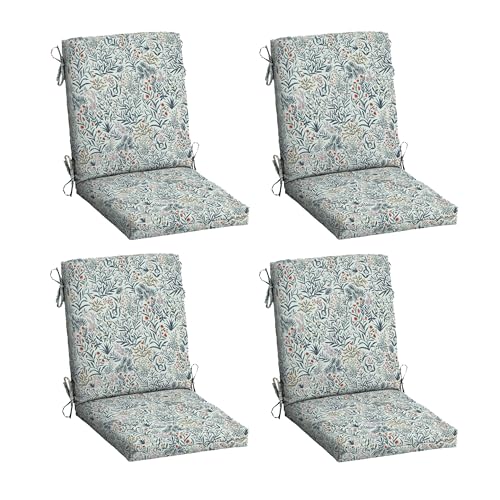
Outdoor Dining Chair Seat and Back Cushions
Upgrade your patio dining comfort with cushions that fit properly, resist the weather, and stay put through every meal. This guide walks you through sizing, fill materials, cover fabrics, tie systems, and long-term care so you can choose with confidence.
Explore Recommended PicksWhy seat and back cushions matter: A dining chair without proper padding turns a leisurely outdoor meal into an endurance test. Seat and back cushions add comfort, improve posture, protect the chair frame from wear, and let you refresh the look of your dining set without replacing the furniture itself. For anyone upgrading an existing set, replacement cushions are often the most efficient way to extend the life of chairs you already own.
What Are Outdoor Dining Chair Seat and Back Cushions?
Outdoor dining chair seat and back cushions are two-piece padding sets designed to sit on the seat and lean against the backrest of a dining-height chair. Unlike indoor cushions, they are built with moisture-resistant fills, quick-drying liners, and fabrics treated to resist fading, mildew, and light rain. Most sets are sold per chair as a matched seat pad and back pad, though some makers offer them as separate pieces so you can mix and match sizes.
The seat cushion typically features a thicker profile to support body weight across a full meal, while the back cushion is thinner and often shaped with a slight curve or channel stitching for lumbar support. Together they transform rigid metal, wood, or wicker dining chairs into seating you can linger in for hours. If you are outfitting a full dining set, pairing these cushions with a thoughtfully chosen outdoor dining set gives you a coordinated look from the start.
Seat Cushion vs. Back Cushion: What Each Piece Does
- Seat cushion: Carries the body's weight, so it needs denser foam and a firmer feel. It usually has ties at the rear corners to anchor it to the chair frame.
- Back cushion: Provides lumbar and upper-back support with a softer, thinner fill. Many designs include a tie at the top or a strap around the chair back.
- Combined sets: Sold as a matched pair so the color, fabric, and piping line up visually. Buying as a set reduces the risk of subtle shade differences between pieces.
How to Measure for a Proper Fit
Fit is the single biggest reason cushions get returned. Too small and they slide around; too large and they bunch at the edges and stress the seams. Measure your chair before you shop, and write the numbers down.
- Seat width: Measure across the widest point of the seat, front edge to front edge. For armchairs, measure between the arms at seat level.
- Seat depth: Measure from the front edge of the seat to the point where the backrest begins.
- Back height: Measure from the seat surface to the top of the backrest. If the backrest tapers, measure the usable flat area.
- Back width: Measure across the backrest at its widest point, then again near the seat to catch taper.
- Allowance: Add roughly an inch of allowance on the seat if you prefer a relaxed fit, or match the listed dimensions exactly for a tailored look.
If your chairs came as part of a set, check whether the maker lists cushion dimensions for that exact model. Sets such as a dining chairs set of 4 with cushions usually follow standard sizing, which makes finding replacements easier later. For chairs with unusual proportions, custom-cut foam wrapped in a tailored cover is a reliable fallback.
Standard Size Ranges to Expect
| Chair Type | Typical Seat Width | Typical Seat Depth | Notes |
|---|---|---|---|
| Standard dining chair | 17–19 in | 16–18 in | Most common size; widely stocked |
| Armchair dining chair | 17–20 in (between arms) | 16–18 in | Measure inside the arms, not outside |
| Swivel dining chair | 18–21 in | 17–19 in | Confirm the swivel base does not interfere with ties |
| Bar and counter chairs | 16–19 in | 15–17 in | Often sold as separate seat-only pads |
Materials: Fill, Fabric, and Construction
The comfort and lifespan of a cushion come down to three things: the fill, the cover fabric, and the liner that sits between them. Understanding each helps you judge quality without relying on marketing language.
Fill Options
- High-resilience polyurethane foam: The most common choice for seat cushions. It holds shape well, resists compression over time, and dries reasonably fast when wrapped in a breathable liner. This is the go-to for daily dining use.
- Polyester fiber fill: Softer and more yielding, often used in back cushions. It offers a plush feel but compresses faster than foam under sustained use.
- Foam wrapped in fiber: Combines the support of foam with the softness of fiber. Mid-range and premium sets frequently use this construction for seat pads.
- Quick-dry reticulated foam: An open-cell foam that lets water pass straight through. It is common in high-end outdoor seating and dries noticeably faster after rain.
A moisture-resistant inner liner is a detail worth checking. Without one, foam absorbs water through the seams and becomes a mildew risk. For a deeper comparison of fill types and fabric ratings, the site's outdoor cushion guide is a useful companion read.
Cover Fabrics
- Solution-dyed acrylic: The benchmark for outdoor fabric. Color is locked into the fiber, so it resists fading and holds up to repeated cleaning. Widely used in premium cushions.
- Polyester with a water-repellent finish: Common in mid-range sets. It sheds light rain and cleans easily, though it can fade faster in intense sun than acrylic.
- Olefin: Light, strong, and naturally resistant to moisture and stains. Often used in entry-level and mid-tier cushions.
- Canvas blends: Durable and breathable, but slower to dry. Best suited to covered patios rather than fully open decks.
Quality Tiers at a Glance
Entry-Level
Polyester covers, basic foam fill, simple string ties. Solid for occasional use on a covered porch. Expect to replace or re-cover sooner in full sun.
Mid-Range
Olefin or treated polyester covers, foam-and-fiber construction, reinforced ties or straps. A balanced choice for daily family dining.
Premium
Solution-dyed acrylic covers, high-resilience foam with quick-dry liner, hidden zippers, and bar-tacked ties. Built for year-round exposure on open patios.
Luxury / Commercial-Grade
Performance fabrics rated for hospitality use, reticulated quick-dry foam, and precision tailoring. Designed for heavy daily use and long service life.
Attachment Systems: Keeping Cushions in Place
A cushion that slides forward every time someone sits down is an annoyance that compounds over a season. Attachment quality separates well-designed sets from the rest.
- Rear corner ties: The classic solution. Tied to the chair frame behind the seat, they prevent forward slide and lift. Look for bar-tacked stitching where the tie meets the cushion.
- Elastic straps with clips: Common on back cushions. They snap around the backrest uprights and stay secure without knots.
- Hook-and-loop fasteners: Sewn into the cushion and chair pad or used between seat and back pad to keep the two aligned.
- Non-slip underside: Some seat cushions use a textured or silicone-dotted base to grip the chair surface. Useful on smooth metal or resin seats.
- Contoured seat channel: A sewn seam or dart that follows the chair's seat curve, reducing lateral movement without extra hardware.
Matching Cushions to Your Dining Setup
The right cushion depends on the chair it sits on and how the space is used. Below are common setups and what to prioritize in each.
Replacing Cushions on an Existing Set
If your chairs are still structurally sound but the cushions are flattened or faded, replacement pads are the efficient move. Measure each chair style individually, since even matched sets sometimes vary slightly between chairs. A set of replacement dining chair cushions in a neutral tone lets you refresh the whole table without changing the furniture's character. For larger sets, buying in volume as a four-piece cushion set or a six-piece cushion set keeps color and sizing consistent.
Full Set Upgrades
When you are buying chairs and cushions together, check whether the maker offers a bundled package. Cushioned bundles remove the guesswork on fit. A six-chair dining set paired with matching pads, or a four-chair set for smaller households, is the simplest path to a coordinated look.
Specialty Chairs
Swivel chairs need cushions whose ties clear the swivel mechanism; check the base clearance before ordering. Stackable chairs benefit from thinner seat pads so the stack still sits flat. Heavier-duty chairs may call for firmer foam so the padding does not bottom out under larger users.
Care and Maintenance for Long Service Life
Even premium cushions need routine care to reach their expected lifespan. The habits below are simple and make a measurable difference.
- Brush off debris weekly: Leaves, pollen, and grit work into seams and abrade fabric over time.
- Spot clean promptly: Blot spills with a damp cloth and mild soap solution. Rinse and air-dry fully before replacing on the chair.
- Deep clean seasonally: Remove covers where possible and follow the maker's washing guidance. Never machine-dry outdoor fabric on high heat.
- Dry thoroughly before storage: Mildew starts in damp fill. Stand cushions on edge in the sun until the core is dry, not just the surface.
- Store off-season: A cushion storage box keeps pads clean, dry, and out of the sun during months when the dining set is unused.
- Use covers for extra protection: Waterproof cushion covers add a layer of defense during unexpected rain without removing the cushions each time.
If a cover tears or a zipper fails, replacing just the cover is often possible. Replacement dining chair cushions and separate covers are widely available, so a single damaged piece does not mean replacing the whole set. For chairs used in covered spaces, a lighter-weight cover set may be sufficient and easier to handle.
Buying Checklist: What to Verify Before Ordering
- Dimensions match your measured chair within about half an inch on seat width and depth.
- Fill type is stated and appropriate for your exposure level. Quick-dry foam for open patios, standard HR foam for covered areas.
- Fabric rating is listed. Solution-dyed acrylic or treated olefin for sun exposure; canvas blends for shade.
- Attachment hardware is described. Ties, straps, or hook-and-loop; confirm they will work with your chair frame.
- Package contents are clear. Seat only, back only, or a matched pair; quantity per pack.
- Care instructions are included. Washable covers and replaceable inserts extend the useful life.
- Return policy is reasonable. Fit issues are common, so a straightforward return path matters.
Ready to Compare Options?
Browse recommended outdoor dining chair seat and back cushions below, sorted by the product feed. Check dimensions and fill type against your chairs before ordering to get the fit right the first time.
See Recommended CushionsFrequently Asked Questions
How do I measure my outdoor dining chair for seat and back cushions?
Measure the seat width at its widest point, the seat depth from the front edge to the backrest, and the backrest height and width. Add roughly an inch of allowance for a relaxed fit, or match the listed dimensions exactly for a tailored look. Always compare your numbers with the cushion dimensions provided by the maker.
What filling is best for outdoor dining chair cushions?
High-resilience polyurethane foam is the most reliable choice for seat cushions because it holds shape under daily use. Polyester fiber is softer and better suited to back cushions. Foam wrapped in fiber combines support with softness, and quick-dry reticulated foam is the top option for open patios where rain exposure is likely.
Are seat and back cushions sold as a set or separately?
Both formats exist. Many bundles include one seat pad and one back pad per chair, sold in packs of two, four, or six. Some makers sell seat and back pieces separately so you can mix sizes across different chairs. Read the package contents carefully before ordering.
How do I keep outdoor dining chair cushions from blowing away?
Choose cushions with reinforced ties, elastic straps, or hook-and-loop fasteners. Tie both rear corners securely and route back-cushion straps around the chair uprights. In gusty areas, bring cushions indoors when the set is not in use.
Can outdoor dining chair cushions stay outside all year?
Cushions rated for outdoor use can handle normal seasonal exposure, but prolonged rain, snow, and intense sun will shorten their life. Store cushions in a dry box or bring them indoors during off-season months, and always let them dry completely before storing to prevent mildew.
Should I choose a seat-only pad or a full seat and back set?
A full seat and back set provides better posture support and a more finished look. Seat-only pads are practical for stackable chairs, bar stools, or benches where a back pad is not needed. For standard dining chairs used for full meals, the paired set is usually the better choice.