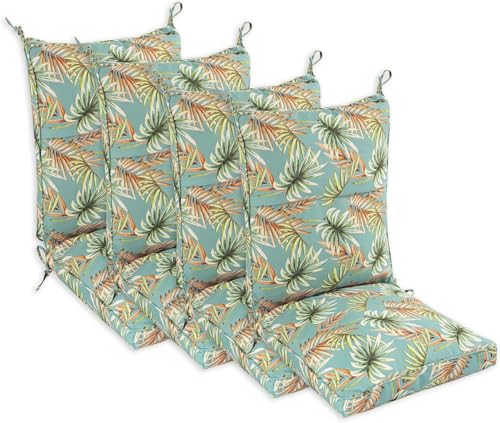
Outdoor Dining Chair Cushions: The Complete Buying Guide
Turn hard patio dining chairs into comfortable, stylish seats. Learn how to choose the right fabric, fill, fit, and fastening for cushions that last season after season.
Explore Top PicksWhy cushions matter more than you think: A dining chair is only as comfortable as its cushion. The right outdoor dining chair cushion protects your furniture, improves posture during long meals, and ties your patio's design together. This guide walks you through sizing, materials, maintenance, and the product tiers available so you can buy with confidence.
Why Invest in Quality Outdoor Dining Chair Cushions
Metal, wood, and wicker dining chairs are built to endure the elements, but that durability often comes with a hard, unforgiving seat. A well-made cushion solves several problems at once: it distributes weight more evenly, reduces pressure on the hips and lower back during long dinners, and adds a layer of insulation against cold or hot surfaces. Beyond comfort, cushions are the fastest way to refresh an aging dining set without replacing the furniture itself.
Cushions also protect the chair frame. Fabric barriers reduce direct contact between the seat and moisture, sunscreen residue, and food spills, which extends the life of painted metal and sealed wood. If you are still evaluating your overall dining setup, our outdoor dining set buying guide covers frame materials and table configurations that pair well with cushioned seating.
How to Measure Your Dining Chair for the Right Fit
Fit is the single most common reason cushions get returned. A cushion that overhangs the seat edge slides around, while one that is too small leaves pressure points at the corners. Measure your chair in three dimensions:
- Seat width: Measure across the widest point of the seat, side rail to side rail.
- Seat depth: Measure from the front edge to where the backrest begins. If the back is angled, measure along the flat seating surface.
- Back height (for seat-and-back cushions): Measure from the seat surface to the top of the backrest, following the angle of the chair.
Add roughly half an inch of allowance on each side for fabric thickness and rounded corners. Always check the product listing's seat diagram, because a "standard" cushion varies between manufacturers. If you own a mixed dining set or want to replace cushions one at a time, individual cushions and coordinated outdoor dining chair replacement cushions are the most flexible path. For matched sets of four or six, look at dining chair cushions in sets of four or sets of six to keep the look consistent.
Fabric and Fill: What Holds Up Outdoors
Solution-Dyed Acrylic
The gold standard for outdoor textiles. Color is infused into the fiber rather than applied on top, so it resists fading under UV exposure and holds up to repeated cleaning. Acrylic fabrics are soft to the touch and usually carry the longest warranties against fading and mildew. They sit in the premium and luxury tiers.
Olefin (Polypropylene)
A mid-range workhorse. Olefin is inherently moisture-resistant, dries quickly, and resists stains well. It feels slightly less plush than acrylic but is a solid choice for covered porches and families with children. It handles humidity better than cotton blends and is easy to spot-clean.
Polyester and Blends
Entry-level and mid-range cushions frequently use solution-dyed polyester. Modern polyester is far more UV-stable than older versions, but it can fade faster than acrylic in full sun. Blends with a water-repellent finish are common in starter tiers and are a reasonable fit for screened patios or seasonal use.
Fill Materials
Closed-cell foam is the most durable fill: it resists water absorption, keeps its shape, and bounces back after use. Polyester fiber fill feels softer but compresses over time and needs regular fluffing. Quick-dry foam is a balanced middle option, and some premium cushions layer foam with a fiber wrap for the best of both. A water-resistant inner liner protects the fill regardless of which type you choose.
Fastening Tip
Reinforced ties, straps, or hook-and-loop fasteners keep cushions anchored in gusty weather. If your chair has no rear rail to tie to, choose a cushion with a non-slip gripper underside or a contoured shape that hugs the seat edges.
Comparing Cushion Tiers: What You Get at Each Level
Rather than focusing on numbers, it helps to understand how cushion quality scales. The table below groups products by market position and the features you can typically expect in each tier.
| Tier | Typical Fabric | Fill Quality | Best For |
|---|---|---|---|
| Entry-Level | Solution-dyed polyester with water-repellent finish | Standard fiber fill or basic foam; lighter weight | Covered porches, seasonal use, first patio setup |
| Mid-Range | Olefin or mid-grade acrylic blends | Quick-dry foam or foam-and-fiber construction | Everyday outdoor dining, mixed sun and shade |
| Premium | Solution-dyed acrylic with stain and mildew resistance | High-density closed-cell foam with liner | Full-sun patios, humid climates, daily use |
| Luxury | Performance acrylic with extended fade warranty | Multi-layer foam and fiber with contoured ergonomics | Designer patios, long-term investment, heavy entertaining |
Mid-range models typically offer smoother mechanisms and better foam resilience than entry-level options, while premium and luxury tiers add longer warranties and more sophisticated fabric engineering. For a deeper dive into how cushion construction differs across categories, see our full outdoor cushion guide. If you prefer a coordinated seat-and-back look, seat and back cushion combinations deliver more coverage than seat-only pads.
Seat-Only vs. Seat-and-Back Cushions
Seat-only cushions are the simplest upgrade and are ideal for slatted or contoured chairs where the backrest already curves comfortably. They are lighter, easier to store, and cheaper to replace piece by piece. Seat-and-back cushions provide full upholstery-style comfort and a more finished look, but they require careful measurement of both the seat and the backrest angle. High-back dining chairs and stacking chairs generally benefit most from the full seat-and-back format.
If you are coordinating cushions with other seating, such as a cushioned bench or a lounge chair, keep the fabric family consistent so the patio reads as one design. Our guides to outdoor cushions for chairs in sets of two and outdoor cushions explain how to mix formats without visual clutter.
Care and Maintenance for Long Cushion Life
Even the most weather-resistant cushion benefits from routine care. Follow these habits to get multiple seasons out of every set:
- Brush off debris weekly. Leaves, pollen, and sand work into seams and abrade the fabric over time.
- Spot-clean with mild soap. Use a soft brush and lukewarm water; avoid bleach unless the manufacturer explicitly allows it.
- Dry thoroughly before storing. Trapped moisture is the leading cause of mildew, even in mildew-resistant fabrics.
- Store during off-season. A dedicated outdoor cushion storage box keeps cushions dry, clean, and pest-free.
- Rotate cushions. Alternating cushion positions evens out sun exposure and wear patterns.
For a structured seasonal routine, read our outdoor cushion storage guidance and pair it with outdoor cushion covers when the furniture stays outside. If you are also refreshing other seating, outdoor couch cushions follow many of the same care principles.
Styling Your Dining Set with Cushions
Cushions are a low-commitment way to shift a patio's palette. Earth tones and natural linens suit rustic and farmhouse settings, while saturated solids and geometric patterns lean contemporary. A common trick is to choose a neutral base for the majority of chairs and add a contrasting accent cushion at the head of the table for visual interest.
Coordinating other soft goods extends the effect. A matching cushion set for wicker furniture or complementary cushions on a cushioned bench create continuity across the dining and lounging zones. For dining sets with swivel seating, see dining chairs with cushions in sets of four to keep the format consistent.
Frequently Asked Questions
How do I measure my outdoor dining chair for cushions?
Measure the seat width and depth at the widest points, then measure the back height if you want a seat-and-back cushion. Add about half an inch of allowance for fabric thickness and rounded corners. Always compare your measurements with the manufacturer's seat diagram before ordering.
What is the best fill material for outdoor dining chair cushions?
Closed-cell foam and polyester fiber wrapped in a water-resistant liner are the most common choices. Closed-cell foam holds its shape well and resists moisture absorption, while fiber fill feels softer but may need more frequent fluffing. Quick-dry foam is a good mid-range option for humid climates.
How do I keep outdoor cushions from blowing away?
Choose cushions with reinforced ties or straps that anchor to the chair frame. For windy locations, look for models with non-slip gripper undersides or consider hook-and-loop fasteners. Storing cushions during storms also extends their life.
Can outdoor dining chair cushions stay outside all year?
It depends on the fabric and climate. Solution-dyed acrylic and olefin fabrics resist fading and mildew, but prolonged exposure to harsh winters or heavy rain still shortens their lifespan. In most climates, bringing cushions inside or into a storage box during off-season is recommended.
How many cushions come in a typical outdoor dining chair cushion set?
Sets are commonly sold in pairs, sets of four, or sets of six to match dining sets for four or six people. Some retailers sell individual cushions so you can mix and match or replace only worn pieces. Check whether the set includes seat-only pads or seat-and-back combinations.
Ready to Make Every Meal More Comfortable?
Compare our hand-picked outdoor dining chair cushions below. Filter by fabric, fill, and set size to find the right fit for your dining table.
See Recommended Cushions