Outdoor Furniture with Storage for Cushions
Keep your patio organized, protect your cushions from the elements, and reclaim your outdoor space with furniture that stores as well as it seats.
Explore Storage OptionsWhy this guide matters: If you own outdoor cushions, you already know the routine — haul them inside before every storm, chase them across the deck on windy days, and hunt for a dry spot to stash them. Outdoor furniture with storage for cushions solves that problem at the source. This guide walks you through the types, materials, and practical features so you can choose a setup that fits your patio and your daily habits.
Types of Cushion Storage Furniture
Storage-integrated patio furniture comes in several forms. Each solves a different problem, so the right choice depends on how many cushions you own, how often you use them, and how much floor space you can spare.
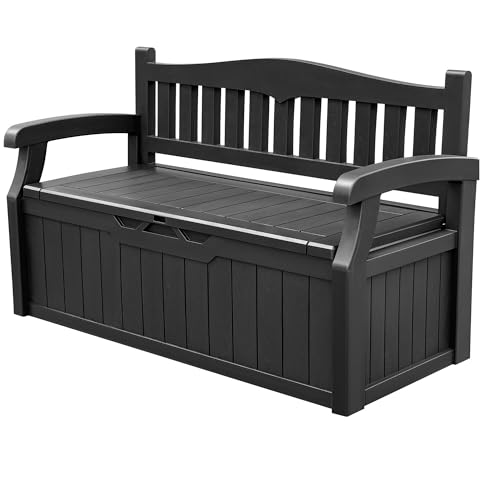
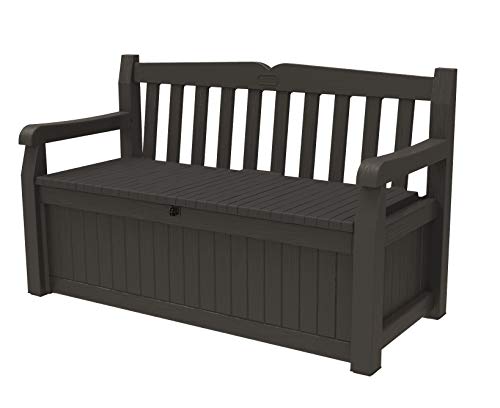
Storage Benches
A bench with a hinged or lift-off lid that opens into a deep compartment. The most straightforward way to add cushion storage without changing your seating layout.
Best for: entry-level patios, small decks, and households that need a place for two to four cushions.
Storage Ottomans & Coffee Tables
Dual-purpose pieces that serve as a footrest or table surface while hiding a storage cavity inside. Many mid-range models include sealed lids and removable trays.
Best for: compact lounging areas and patios that double as entertaining spaces.
Sectionals with Under-Seat Storage
Each sectional module includes a storage base beneath the seat cushion. This design keeps the footprint unchanged while adding substantial capacity.
Best for: large patios and families with full cushion sets to store.
Dining Tables with Storage Compartments
Some dining tables include a central hatch or side compartment for cushion storage, often paired with a versatile outdoor dining table design that doubles as a gathering hub.
Best for: covered patios where dining and lounging share the same zone.
Key Features to Compare
Not all storage compartments are created equal. The difference between a dry, convenient cushion stash and a damp, moldy disappointment comes down to a few construction details.
- Sealed lid gasket — a rubber or silicone seal around the lid keeps rain and insects out. Look for this on mid-range and premium models.
- Raised internal floor — a false bottom lifts cushions above any water that seeps in, protecting fabric from prolonged dampness.
- Drainage channels — small vents or sloped floors let condensation escape instead of trapping moisture inside.
- Gas-strut hinges — soft-close or assisted-lift hinges make heavy lids easier to open, especially on large storage benches.
- Ventilation gaps — subtle airflow reduces mildew risk without compromising weather resistance.
- Lockable latches — useful for shared spaces or patios near public areas.
Materials: What Survives the Outdoors
The storage compartment is only as good as the material surrounding it. Outdoor furniture with storage for cushions must handle moisture, UV exposure, and temperature swings — the same stresses as the rest of your patio setup.
| Material | Tier | Storage Suitability | Best For |
|---|---|---|---|
| High-density polyethylene resin | Essential to mid-tier | Excellent moisture resistance; molded compartments with fewer seams | Humid climates and low-maintenance patios |
| Powder-coated aluminum | Mid-range to premium | Lightweight frames with sealed storage boxes; rust-resistant finish | Modern patios and balconies |
| Teak and acacia hardwood | Premium to luxury | Natural water resistance; requires occasional sealing to protect the compartment | Classic and rustic outdoor spaces |
| Wicker and rattan over metal frame | Mid-tier | Good when paired with a solid liner; woven exteriors hide seams | Coastal and bohemian styles |
| Composite and recycled materials | Essential to high-end tier | Durable and low-maintenance; often molded into seamless storage bases | Eco-conscious buyers and year-round exposure |
If your priority is long-term durability, explore weather-resistant outdoor furniture options that pair sealed storage with UV-stable finishes. For humid regions, waterproof cushion furniture complements a well-sealed storage compartment.
How to Choose the Right Capacity
Storage capacity is the most common source of buyer regret. A compartment that looks generous in a showroom can fall short once you stack four thick seat cushions inside.
Measure before you buy
- Fold or stack your cushions the way you normally would, then measure the bundle's length, width, and height.
- Add at least 10% extra space for airflow and easy loading — a tight fit traps moisture.
- Check the internal dimensions, not the external footprint. Exterior measurements include walls and hinges.
- Account for lid clearance. Some hinges reduce usable height when open.
- If you store cushions seasonally, consider a full outdoor furniture with storage base rather than a single bench.
For a deeper look at dedicated solutions, the guide to outdoor furniture cushion storage covers standalone storage pieces and hybrid designs. If you prefer a built-in approach, built-in cushion storage furniture explains how integrated compartments differ from add-on boxes.
Smart Placement and Layout Tips
Storage furniture works best when it fits the natural flow of your patio. A bench that blocks a walkway or a storage table that's too far from the seating area quickly becomes annoying.
- Place storage near the seating it serves. A storage bench beside a comfortable outdoor loveseat keeps cushions within arm's reach.
- Use corners and edges. Storage ottomans and compact benches fit into unused corners without shrinking your usable space.
- Pair with shade. Storage compartments under a dining set with umbrella hole stay cooler and drier in summer.
- Keep lids accessible. Avoid stacking planters or trays on top of storage lids — you'll stop using the compartment if it's a hassle to open.
- Consider a conversation layout. A conversation set with fire pit often pairs well with storage benches that double as boundary seating.
Common Mistakes to Avoid
Frequently Asked Questions
What is outdoor furniture with storage for cushions?
It's patio seating or tables that include a built-in compartment — usually under a seat or inside a bench — designed to hold cushions, covers, or small accessories when not in use.
Is built-in cushion storage weatherproof?
Most compartments are weather-resistant but not fully waterproof. Sealed lids, raised floors, and drainage channels improve protection during rain, but cushions should still be dry before storage.
Which material is best for storage furniture outdoors?
High-density polyethylene resin, powder-coated aluminum, and teak are top choices. Each handles moisture and sun exposure well, and premium tiers often include sealed storage compartments.
How much cushion storage capacity do I need?
Measure your folded cushions first. A standard storage bench holds two to four seat cushions, while a full sectional storage base can hold an entire set.
Can I add storage to existing patio furniture?
Yes. Standalone storage benches, ottomans, and deck boxes can sit alongside your current furniture. Many homeowners pair a storage bench with an outdoor loveseat or a glider bench to expand both seating and storage.
Ready to Simplify Your Patio Routine?
Outdoor furniture with storage for cushions turns a daily chore into a one-step habit. Instead of hauling cushions indoors, you lift a lid, drop them in, and get on with your day. Choose the right tier and material for your climate, measure your cushion bundle before you commit, and prioritize sealed compartments with ventilation. Your future self — and your cushions — will thank you.