Outdoor Glider Bench: The Complete Buying & Placement Guide
Learn how to choose a smooth-gliding, weather-ready bench that turns your patio, porch, or deck into the most relaxing spot in the yard.
START THE GUIDEWhy an outdoor glider bench? A glider bench combines the comfort of a sofa with the gentle back-and-forth motion of a rocking chair — without needing overhead clearance for chains or a swing frame. It is one of the most approachable upgrades for a porch, patio, or garden corner, and it works equally well as a solo reading spot or a shared seat for two.
What Makes a Glider Bench Different?
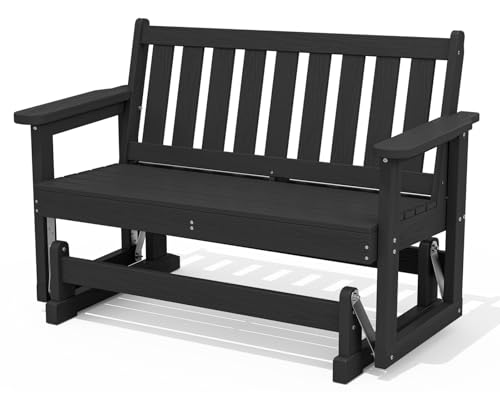
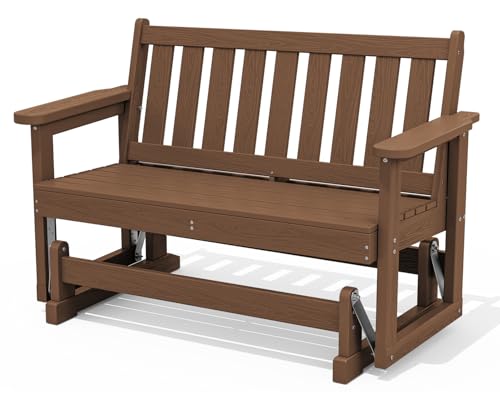
A glider bench is a seat designed to move forward and backward along a fixed track or suspension mechanism. Unlike a traditional porch swing that arcs through the air, the glider stays level throughout its motion. That level travel is what makes it so comfortable for long sits — a cup of coffee stays steady, and you never feel like you are sliding forward.
Most outdoor glider benches seat two adults comfortably. They are typically built with a steel, aluminum, or wood frame and a seat surface made from slats, wicker, or resin. Some models include built-in cup holders, armrests, or a center console. If you want a broader view of how this piece fits into a complete outdoor setup, explore our outdoor glider collection guide and the related outdoor glider chair overview.
The motion mechanism is the heart of the bench. Entry-level models use simple friction glides, mid-range models use sealed bearing tracks, and premium models use smooth suspension systems that feel nearly silent. The better the mechanism, the more consistent and quiet the glide will be over years of use.
Key Factors When Choosing an Outdoor Glider Bench
Before you compare specific models, work through these decision points. They will narrow the field quickly and help you avoid a bench that looks right but feels wrong after a season outdoors.
1. Frame Material and Finish
- Powder-coated steel: Heavy-duty and stable, with excellent resistance to rust when the coating is intact. Best for windy or high-use areas.
- Aluminum: Lighter and naturally rust-resistant. A strong choice for humid or coastal climates where weight matters.
- Wood (teak, acacia, cedar): Warm and traditional. Requires periodic sealing or oiling to maintain its finish and prevent cracking.
- Resin / HDPE: Practical and low-maintenance, resistant to moisture and insects. Often used in coastal and lakeside settings.
- Wicker and rattan: Attractive woven texture, but needs a weather-resistant resin coating or a sheltered location.
2. Glide Mechanism and Motion Feel
The quality of the glide is what separates a bench you use daily from one that sits unused. Ask how the bench travels: does it ride on a track, a pivot arm, or a suspension system? Sealed bearings and reinforced pivot points reduce wobble and noise. A well-built mid-range glider typically feels noticeably smoother than an entry-level friction design, and a premium or commercial-grade model should feel nearly silent even after years of exposure.
3. Seating Capacity and Dimensions
Measure your space before anything else. A standard two-seat glider is roughly four to five feet wide, but armrests, cup holders, and side tables add footprint. Leave at least two feet of clearance in front and behind the bench so the glide path is unobstructed. For tighter spaces, a compact outdoor loveseat or a single glider chair may fit better than a full bench.
4. Cushions and Upholstery
Cushions are optional but transformative. Look for quick-dry foam, solution-dyed acrylic fabric, and UV-resistant stitching. If you plan to leave the bench outside year-round, choose cushions that can be removed and stored easily. Our guides on outdoor furniture cushions and cushion storage solutions explain what to look for in fabric and construction.
5. Weight Capacity and Frame Rigidity
Check the rated capacity rather than assuming. A solid two-seat glider should feel rigid when you sit and should not flex or creak during motion. Reinforced cross-bracing and welded joints are signs of durable construction. If the bench will be used by children or heavier adults, prioritize a heavy-duty frame.
6. Weather Resistance
Outdoor furniture lives through sun, rain, and temperature swings. Look for rust-proof finishes, UV-stabilized materials, and hardware that will not corrode. Stainless steel or galvanized fasteners are a good sign. For a deeper look at how materials hold up, see our guide to outdoor furniture that can withstand weather.
Glider Bench Tiers at a Glance
Outdoor glider benches fall into recognizable tiers based on construction, mechanism quality, and finish. Use this table to match a tier to your intended use rather than comparing on a single feature.
| Tier | Best For | Typical Characteristics |
|---|---|---|
| Entry-level | Occasional use, sheltered porches, first outdoor seating purchase | Basic friction glide, lighter frame, simpler finish; solid choice for the tier when placed under cover. |
| Mid-range | Regular family use, patios and decks with partial sun exposure | Smoother sealed-bearing glide, reinforced frame, better weather-resistant coating; competitive within its class for comfort and durability. |
| Premium | Daily use, full sun or exposed locations, design-focused spaces | Near-silent suspension glide, high-grade steel or aluminum, premium materials and finishes, often with integrated side tables or cup holders. |
| Luxury / commercial-grade | Hospitality settings, covered outdoor rooms, long-term investment | Flagship-tier construction, professional-grade hardware, exceptional stability, and finishes designed to hold up under continuous use. |
One useful rule: a mid-range bench usually delivers the biggest jump in day-to-day comfort compared with an entry-level model, while a premium bench is the better long-term investment for exposed locations and heavy daily use.
Placement and Setup Tips
Where you put the bench matters as much as which bench you choose. A glider needs a level surface and a clear path of travel. On a wooden deck, use rubber pads under the feet to protect the boards. On concrete or stone, check that the frame sits flat so the glide does not bind.
Position the bench so it faces the view you actually want — a garden bed, a fire pit, or the evening sky. Avoid placing it directly against a railing if the glide path would be blocked. A small folding side table placed beside the bench gives you a spot for a drink and a book without adding a large table footprint.
If your patio is small, combine the glider with a compact outdoor furniture set or a two-chair and small-table arrangement to keep the seating conversation-friendly. For a full layout checklist, our outdoor essentials guide covers the pieces that make a patio feel complete.
Care and Maintenance
- Wipe the frame monthly with mild soap and water; avoid abrasive cleaners that can damage powder coating.
- Inspect the glide mechanism seasonally and tighten any bolts that have loosened.
- Apply a lubricant to metal tracks only if the manufacturer recommends it; many sealed systems need no maintenance.
- Re-oil wood frames once or twice a year, depending on exposure.
- Remove and store cushions during heavy rain and off-season months.
- Use a fitted cover during long periods of disuse to protect the seat and mechanism.
For a broader seasonal routine, read our guide to weatherproofing outdoor furniture and the related advice on outdoor furniture covering.
Frequently Asked Questions
What is the difference between an outdoor glider bench and a porch swing?
A glider bench moves back and forth on a fixed track or suspension system, while a porch swing hangs from chains or ropes and arcs through the air. Gliders typically require less overhead clearance and are easier to place on a patio or deck.
Which frame material is best for an outdoor glider bench?
Powder-coated steel and aluminum offer excellent durability and weather resistance. Wood and wicker provide a more traditional look but require regular sealing and maintenance. Resin and HDPE are practical for coastal or humid climates.
How much weight can a typical outdoor glider bench support?
Most standard two-seat glider benches support between 400 and 600 pounds when properly assembled. Heavy-duty and commercial-grade models often support more. Always check the manufacturer's rated capacity before use.
Do outdoor glider benches need cushions?
Cushions are not required, but they add comfort and help personalize the look of the bench. Choose quick-dry, UV-resistant outdoor cushions and store them during heavy rain or off-season months to extend their lifespan.
Final Buying Checklist
- Measure the footprint and confirm the glide path has clearance in front and behind.
- Match the frame material to your climate and exposure level.
- Test the glide mechanism or read reviews about motion smoothness and noise.
- Confirm the rated weight capacity for your household.
- Decide whether cushions are included or need to be added.
- Check the finish and hardware for rust resistance.
- Plan storage for cushions and a cover for the off-season.
Once these boxes are checked, you are ready to compare specific models with confidence. Browse the recommended products below to see options across tiers and styles.