What Is an Outdoor Glider Chair?
An outdoor glider chair is a type of patio seating that moves back and forth on a fixed track or suspension system, creating a smooth, soothing gliding motion rather than the front-to-back rocking of a traditional rocking chair. This gentle horizontal movement makes gliders a favorite for porches, decks, and patios where relaxation is the priority. Unlike a standard stationary chair, a glider encourages you to unwind with a calming sway that feels secure and controlled.
Glider chairs come in many forms, from single-seat models to wide glider benches that seat two or more people. Some are designed as standalone pieces, while others are part of a coordinated outdoor furniture set. The appeal is universal: a glider offers the comfort of a lounge chair with the gentle motion of a swing, all without the need for overhead suspension.
Why choose a glider? The smooth, predictable motion of a glider is often easier to get in and out of than a rocking chair, making it a smart choice for older adults and anyone who wants a stable, relaxing seat. It is also less likely to tip, which adds peace of mind on elevated decks and porches.
Types of Outdoor Glider Chairs
Before you shop, it helps to understand the main categories of glider chairs. Each type suits a different space, style, and seating need.
Single-Seat Glider Chairs
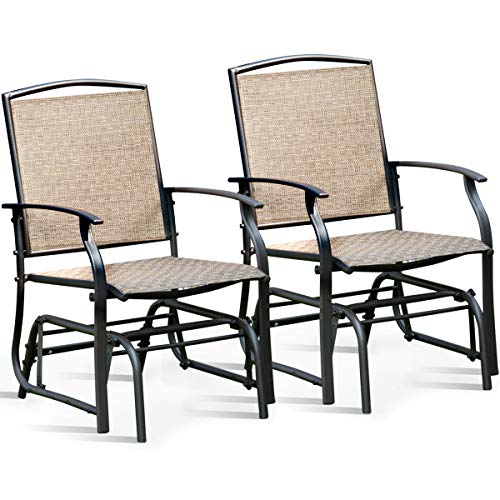
A single-seat glider is the most compact option. It is ideal for small balconies, reading nooks, or as an accent piece alongside a larger seating arrangement. Many single gliders feature a rocking-chair-inspired silhouette with curved arms and a high back, while modern designs may lean toward clean lines and minimalist frames. If you are furnishing a tight space, a single glider can deliver the relaxation you want without overwhelming the area.
Glider Benches and Loveseats
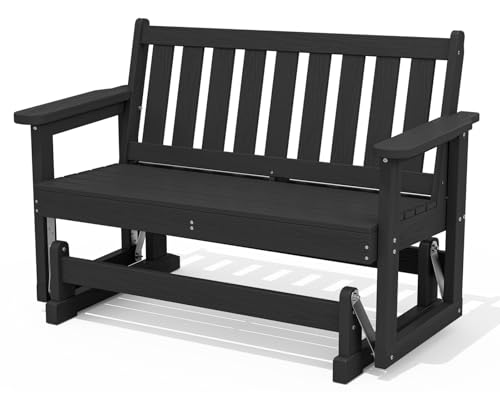
A glider bench seats two or more and is a classic porch staple. These pieces often feature slatted backs, wooden armrests, and a wide gliding base. A glider loveseat offers the same motion with plusher cushions, making it a comfortable spot for couples or families. If you frequently host guests, a bench or loveseat glider can anchor your outdoor seating area and encourage conversation.
Glider Chairs with Canopy or Shade
Some gliders incorporate a canopy or sunshade, which is especially useful for sunny patios and poolside areas. These models combine the gentle glide with protection from direct sunlight, letting you enjoy your outdoor space for longer stretches. A canopy glider is a smart pick if your seating area lacks natural shade from trees or a pergola.
Swivel Glider Chairs
A swivel glider adds a rotating base to the gliding motion, giving you a wider range of movement. This is handy for open-plan patios where you want to turn toward a conversation area, a fire pit table, or a view. Swivel gliders are often paired with matching outdoor furniture sets with swivel chairs for a cohesive look.
Key Materials and Their Trade-Offs
The material of your glider affects its durability, maintenance needs, and visual style. Here is how the most common options compare.
| Material | Best For | Durability & Care |
|---|---|---|
| Wood (teak, acacia, cedar) | Classic, rustic, and farmhouse-style patios | Solid build and natural warmth; requires periodic sealing or oiling to resist moisture and sun damage |
| Metal (aluminum, steel, wrought iron) | Modern and traditional designs; high-traffic areas | Heavy-duty options are available; aluminum resists rust well, while steel and iron need a rust-proof finish and occasional touch-ups |
| Wicker and Rattan (natural or synthetic) | Coastal, bohemian, and relaxed outdoor settings | Synthetic wicker is weather-resistant and low-maintenance; natural rattan needs protection from prolonged rain |
| Resin and Plastic | Everyday family use and easy-care patios | Lightweight and simple to clean; entry-level to mid-range options vary in sturdiness, so check the frame construction |
Whichever material you choose, look for a weather-resistant coating or rust-proof finish on the frame and gliding mechanism. Stainless steel or powder-coated hardware tends to hold up best over time. If your glider will sit in full sun, a UV-stable finish will help prevent fading and cracking.
Pro tip: Check the gliding mechanism itself. A well-engineered glider uses smooth bearings or a reinforced track that will not bind or squeak after a season of use. Mid-range and premium models typically offer a more refined glide than entry-level chairs, and the difference is noticeable in daily use.
Comfort Features That Matter
A glider is only as good as it feels. When comparing models, pay attention to these comfort details:
- Cushioning: Look for high-density foam that resists flattening. Quick-dry, water-resistant fabrics are a smart choice for outdoor use, and removable covers make cleaning easier. If you plan to leave cushions out, consider outdoor furniture with waterproof cushions.
- Seat depth and back height: A deeper seat suits lounging, while a higher back supports the shoulders and neck. Sit in the chair if possible, or check the listed dimensions against a chair you already find comfortable.
- Armrests: Wide, flat armrests are comfortable for resting a drink or a book. Some gliders include built-in cup holders, which are handy for entertaining.
- Glide smoothness: Test the motion or read reviews that mention the glide quality. A smooth, quiet glide is the hallmark of a well-built chair.
- Weight capacity and frame rigidity: A sturdy frame with a solid build will feel more secure and last longer, especially on a glider bench that seats more than one person.
How to Choose the Right Glider for Your Space
Start by measuring your patio or porch and mapping out where the glider will sit. Leave enough clearance for the gliding motion, which typically extends a few inches beyond the chair's footprint. On a small balcony, a single-seat glider or a compact outdoor furniture set with two chairs and a small table may be the best fit. On a larger deck, a glider bench can serve as a focal point alongside a dining table and a lounge area.
Consider how you will use the glider. If it is a reading spot, prioritize back support and a cozy cushion. If it is for socializing, a glider loveseat or a swivel model keeps you facing the conversation. If you entertain often, look for a glider that coordinates with your existing outdoor furniture so the space feels intentional rather than pieced together.
Finally, think about maintenance. If you prefer a low-maintenance patio, synthetic wicker or powder-coated aluminum is a practical choice. If you love the look of natural wood and do not mind an occasional sealing session, a wooden glider rewards you with timeless charm.
Glider Chairs vs. Rocking Chairs and Swings
It is worth comparing a glider with its closest cousins. A rocking chair moves front to back and can feel less stable on uneven surfaces. A hanging swing requires overhead support and more installation effort. A glider sits on a stable base, moves horizontally, and is generally the easiest to use for a wide range of ages. For many homeowners, the glider strikes the best balance of comfort, safety, and convenience.
If you like the idea of a gentle sway but want a different seating format, you might also explore an outdoor egg swing chair or a classic garden bench. Each offers a distinct way to relax outdoors, and the right choice depends on your space and personal preference.
Care and Maintenance Tips
Keep your glider looking its best with a simple routine:
- Clean the frame and cushions with mild soap and water; avoid harsh chemicals that can strip finishes.
- Store cushions indoors or in a storage box during heavy rain and off-season months. A glider or furniture piece with storage can make this easier.
- Inspect the gliding mechanism periodically for loose bolts or debris, and tighten or clean as needed.
- Use a cover during extended periods of disuse to protect against dust, pollen, and UV exposure. Browse outdoor furniture covering options for a proper fit.
- Reapply sealant or oil to wooden gliders according to the manufacturer's guidance.
Frequently Asked Questions
Is a glider chair comfortable for long periods?
Yes. The smooth, controlled motion of a glider is easy on the body, and many models offer supportive backs and plush cushions. Look for high-density foam and a seat depth that matches how you like to sit.
Can an outdoor glider chair stay outside all year?
Many gliders are designed for outdoor use, but longevity depends on the material. Aluminum, synthetic wicker, and treated wood handle the elements best. Use a cover and bring cushions inside during harsh weather to extend the life of your chair.
What is the difference between a glider and a rocking chair?
A glider moves horizontally on a fixed track, while a rocking chair rocks front to back on curved rockers. Gliders tend to feel more stable and are easier to get in and out of, which makes them a popular choice for porches and decks.
How much space does a glider need?
Allow for the chair's footprint plus a few inches of clearance on each side for the gliding motion. A single glider fits comfortably in a small balcony, while a glider bench needs more room and works best on a larger porch or deck.
Can I use a glider chair indoors?
Yes, many gliders look at home in a sunroom, nursery, or living room. If you plan to use it indoors, choose a model with upholstery and a finish that suits your interior style.
Ready to Find Your Perfect Glider?
Explore our curated selection of outdoor glider chairs and matching patio furniture to complete your relaxation space.
View Recommended Gliders