Outdoor Hammocks: Complete Buying Guide
Everything you need to know about choosing, hanging, and caring for an outdoor hammock — from fabric types and frame construction to weight ratings and weatherproofing.
EXPLORE HAMMOCK TYPESWhy an Outdoor Hammock? A hammock transforms any backyard, deck, or porch into a destination for rest. Unlike bulky furniture, a hammock stores easily, requires minimal ground space, and delivers a full-body reclining experience that chairs and loungers cannot match. This guide walks you through the decisions that matter: hammock style, fabric durability, hanging method, weight capacity, and long-term care — so you can invest confidently in the right model for your outdoor space.
Types of Outdoor Hammocks
Outdoor hammocks fall into several distinct categories, each suited to different settings and user needs. Understanding these differences is the first step toward a satisfying purchase.
Gathered-End Hammocks
The classic rope or fabric hammock gathered at both ends. These cradle the body in a curved cocoon and are ideal for solo relaxation. They pack down small and are the most portable option for campers and travelers.
Best for: solo lounging, portability, traditional comfort.
Entry-level to mid-rangeSpreader-Bar Hammocks
Flat, open-bed designs with wooden or metal bars at each end. They feel more like a suspended bed and make it easier to lie flat, read, or share with a partner. The trade-off is slightly less cocooning comfort and a larger storage footprint.
Best for: couples, reading, flat lie, patio setups.
Mid-range to premiumQuilted Fabric Hammocks
Padded, quilted beds with a spreader bar. These are the most furniture-like hammocks, offering a plush surface and a more structured feel. They suit permanent backyard installations and pair well with a dedicated stand.
Best for: permanent backyard lounging, maximum comfort.
Premium tierHammock Chairs
A chair-shaped hammock that hangs from a single point. Ideal for small spaces, porches, and balconies where a full-length hammock will not fit. Hammock chairs with a stand require no trees and can be moved easily.
Best for: small spaces, balconies, porches.
Entry-level to mid-rangeHanging Chairs with Stands
Two-person hanging chairs or swing chairs that come with a dedicated steel stand. These combine the social appeal of a bench with the gentle motion of a hammock. Look for powder-coated steel frames and UV-resistant cushions.
Best for: family seating, porch conversation areas.
Mid-tier to high-end tierCamping & Travel Hammocks
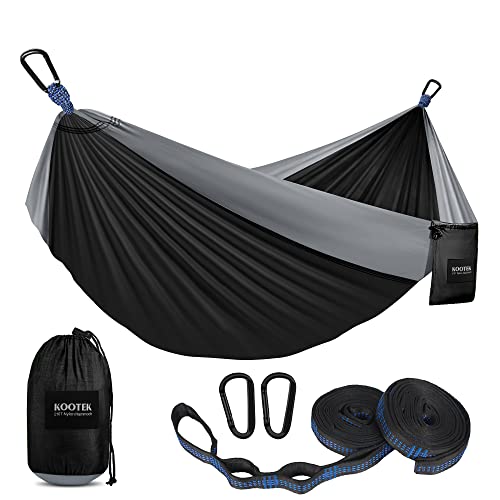
Lightweight nylon or polyester hammocks with integrated straps. While not intended for permanent outdoor installation, they are excellent for occasional backyard use, travel, and hiking. They pack into a built-in stuff sack.
Best for: travel, occasional use, portability.
Entry-levelMaterials & Durability
The fabric and hardware determine how long your hammock lasts and how it performs in sun, rain, and humidity. Here is what to prioritize:
- Solution-dyed fabric: Color is infused into the fibers rather than printed on the surface, so it resists fading under UV exposure. This is the top-tier choice for sun-drenched patios.
- UV-treated mesh: Breathable and quick-drying, ideal for humid climates. Mesh hammocks dry fast after rain and resist mildew better than solid fabrics.
- Quilted polyester or acrylic: Soft, padded, and weather-resistant. Acrylic quilting retains shape and color well over multiple seasons.
- Powder-coated steel frames: For hammock stands, powder coating provides a rust-proof finish and a durable surface that resists chipping.
- Hardwood spreader bars: Look for marine-grade or oiled hardwood rather than untreated wood, which can crack and splinter over time.
- Reinforced attachment points: Steel rings, zinc-plated chains, and heavy-duty carabiners prevent premature wear at the hammock's most stressed areas.
Hanging Options: Trees, Posts, or Stands
How you hang your hammock affects safety, comfort, and placement flexibility. There are three primary methods:
Tree-to-Tree
The traditional method. You need two mature trees roughly 13–15 feet apart. Use wide tree straps (at least 1.5 inches) to protect bark. Avoid attaching to trees with soft bark or known disease. Check local regulations before installing permanent anchors.
Wall or Post Anchors
For porches and decks, heavy-duty wall anchors or wooden posts provide a permanent, tree-free solution. Ensure the posts are set in concrete and rated for the hammock's load. This method offers the most control over hanging height and tension.
Hammock Stands
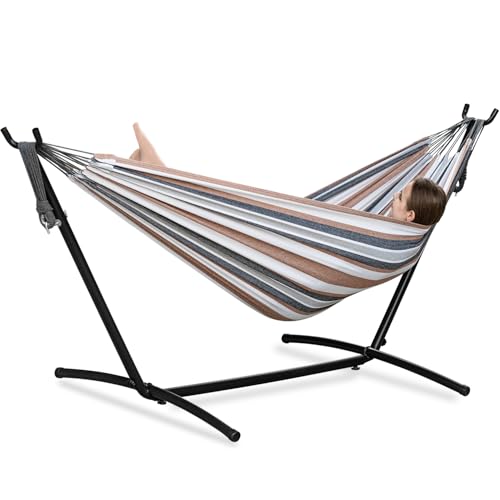
Freestanding steel or wooden frames that require no trees and no drilling. Stands can be moved seasonally, placed on decks or patios, and often include a carrying case. Look for powder-coated steel with a weight rating that exceeds your hammock's capacity.
Hammock Comparison at a Glance
Use this comparison to match a hammock style to your space and usage pattern. Tiers reflect relative market positioning, not absolute figures.
| Style | Best For | Hanging Method | Market Tier |
|---|---|---|---|
| Gathered-end fabric | Solo lounging, portability | Trees, stands, anchors | Entry-level to mid-range |
| Spreader-bar fabric | Couples, flat lie, patio | Trees, stands, anchors | Mid-range to premium |
| Quilted fabric | Permanent backyard comfort | Stands, heavy anchors | Premium tier |
| Hammock chair | Small spaces, balconies | Single point, chair stand | Entry-level to mid-range |
| Two-person hanging chair | Family seating, porches | Dedicated stand | Mid-tier to high-end tier |
| Camping travel hammock | Travel, occasional use | Tree straps | Entry-level |
Related Outdoor Relaxation Guides
Care & Maintenance Tips
A well-maintained hammock can last many seasons. Follow these practices to protect your investment:
- Store during harsh winters: Even weather-resistant fabrics last longer when brought indoors or stored in a breathable cover during freezing months.
- Clean with mild soap: Use a soft brush and lukewarm water with mild detergent. Avoid bleach and harsh chemicals that degrade UV coatings.
- Dry thoroughly: Never store a damp hammock. Mildew develops quickly in folded, wet fabric. Hang it fully extended to air-dry.
- Inspect hardware seasonally: Check chains, carabiners, and stand bolts for rust or looseness. Replace worn hardware before it fails.
- Rotate hanging position: If using tree straps, rotate anchor points slightly each season to avoid stressing the same bark area.
- Use a hammock cover: A simple protective cover keeps debris, bird droppings, and UV exposure off the fabric when not in use.
Ready to Find Your Perfect Hammock?
Browse our curated selection of outdoor hammocks and hanging chairs, each chosen for durability, comfort, and weather resistance.
VIEW RECOMMENDED HAMMOCKSFrequently Asked Questions
What is the best type of hammock for a backyard?
A gathered-end fabric hammock or a quilted hammock with a spreader bar works well for backyard use. For families, a two-person quilted hammock paired with a dedicated stand is a practical choice because it requires no trees and offers easy setup and relocation.
How much space do I need to hang an outdoor hammock?
For a standard hammock, you need approximately 13 to 15 feet between two anchor points, with the hammock hanging about 18 inches off the ground at its lowest point. Hammock stands eliminate the need for trees but require a similar footprint on your patio or deck.
Can outdoor hammocks stay outside all year?
Weather-resistant materials such as solution-dyed fabric, UV-treated mesh, and powder-coated steel frames can stay outdoors for extended periods. However, bringing the hammock indoors during harsh winter months or storing it in a protective cover extends its lifespan significantly.
What weight capacity should I look for in an outdoor hammock?
Look for a hammock rated for at least 250 pounds for single-person use. For two-person hammocks, choose a model rated for 400 pounds or more. Always verify the weight rating of both the fabric and the hanging hardware, including chains and carabiners.
How do I prevent my hammock from fading?
Choose solution-dyed or UV-treated fabrics, which resist fading far better than surface-printed fabrics. When not in use, cover the hammock or bring it indoors. Rotating the hammock's position seasonally also reduces prolonged sun exposure on the same area.