Outdoor Patio Bench: The Complete Buying Guide for Style, Comfort & Durability
A patio bench is one of the most versatile pieces you can add to any outdoor space. It anchors a garden path, completes a porch, or offers a quiet spot to enjoy your morning coffee. This guide walks you through every decision — from frame materials to cushion choices — so you can pick a bench that fits your space and lasts for seasons to come.
Why an Outdoor Patio Bench Is Worth Adding
A bench serves purposes that chairs and sofas sometimes cannot. It works as a focal point in a garden bed, a resting spot along a walkway, or a space-saving alternative to bulky seating on a small deck. Because a bench is a shared seat, it naturally invites conversation and creates a sense of welcome. It also pairs beautifully with larger arrangements — place one at the foot of a patio conversation set to add seating without crowding the area, or use it beside a patio fireplace for a warm evening perch.
Benches are also remarkably flexible in placement. A long bench can define the edge of a patio, while a compact bench tucks neatly onto a balcony or porch. If you are working with limited square footage, a bench often fits where a sofa will not — making it a smart choice for apartment and balcony spaces.
Choosing the Right Material for Your Patio Bench
The frame material is the single biggest factor in how long your bench lasts and how much maintenance it needs. Each option has strengths and trade-offs, and the right pick depends on your climate, how much upkeep you are willing to do, and the look you want.
Material Overview at a Glance
| Material | Best For | Durability | Maintenance |
|---|---|---|---|
| Teak / Hardwood | Classic gardens, long-term outdoor use | High — naturally weather-resistant | Low to moderate; occasional oiling |
| Metal (steel/aluminum) | Modern and industrial styles | High when powder-coated | Low; check for rust at joints |
| Wicker / Rattan | Cozy, traditional or coastal looks | Moderate — resin wicker outperforms natural | Low; wipe clean and cover in winter |
| Recycled Plastic / Resin | Low-maintenance, all-weather use | High — UV and moisture resistant | Very low; soap and water only |
Wood Benches: Teak, Acacia, and Eucalyptus
Wood is the traditional choice for garden benches, and for good reason. Teak is the gold standard — its natural oils make it resistant to rot and insects, and it ages gracefully into a silver-grey patina if left untreated. Acacia and eucalyptus are excellent alternatives that offer similar resilience at a more accessible tier. Wood benches feel warm and grounded, pairing especially well with naturalistic plantings. Keep in mind that untreated wood will need periodic sealing or oiling to maintain its color, and in very wet climates you should choose a rot-resistant species.
Metal Benches: Aluminum and Powder-Coated Steel
Metal frames offer slim profiles and clean lines that suit modern patios. Aluminum is lightweight and will not rust, making it ideal for coastal areas or humid climates. Powder-coated steel is heavier and more rigid, giving a bench a solid, planted feel. The key quality marker is the coating: a well-applied powder coat resists chipping and fading far better than paint. If you pair a metal bench with cushions, look for a patio chair cushion that fits the seat dimensions closely.
Wicker and Rattan Benches
Wicker brings a relaxed, textured look that softens hardscaped areas. Natural rattan is beautiful but does not tolerate prolonged moisture, so for outdoor use, resin wicker is the more practical choice — it mimics the woven look while resisting UV damage and rain. A wicker bench often works best under a covered porch or pergola where it is shielded from direct downpours.
Recycled Plastic and Resin Benches
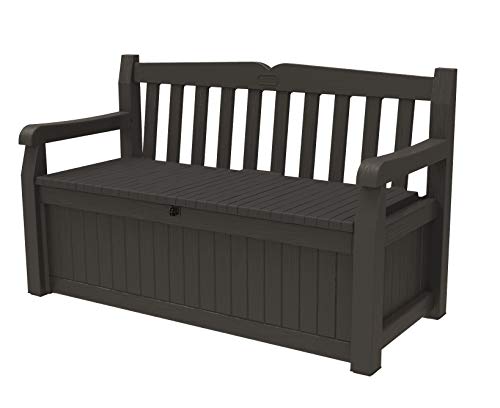
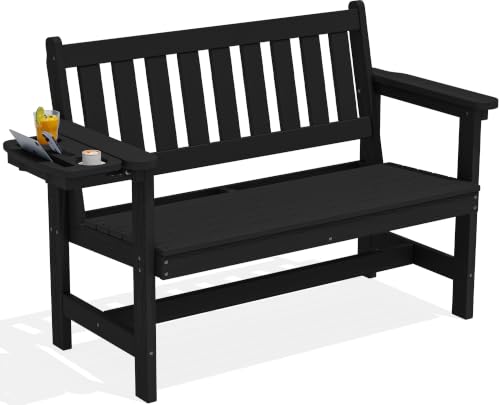
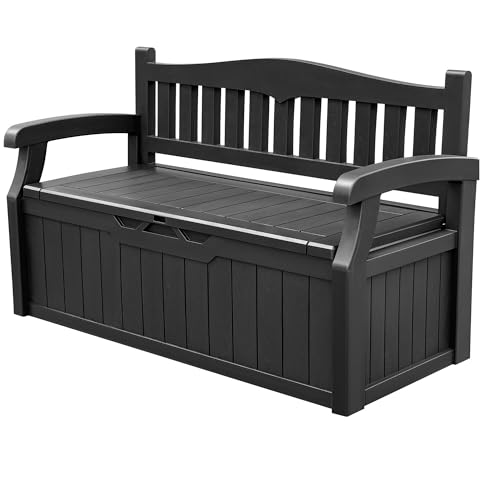
If you want the lowest-maintenance option, recycled plastic and resin benches are hard to beat. They will not rot, splinter, or rust, and they clean up with a quick wipe. Many are made from recycled materials, which adds an eco-friendly benefit. The trade-off is that they can look more utilitarian than wood or metal, though higher-tier designs now mimic the look of painted wood quite convincingly.
Sizing and Placing Your Bench
A bench that is too large will overwhelm a small patio, while one that is too small can look lost in a spacious garden. Before you shop, measure the intended spot and leave at least 18 to 24 inches of clearance in front of the seat so people can sit and stand comfortably. For a bench placed against a wall or railing, check that the back height does not interfere with the structure.
Think about how the bench will be used. A bench meant for lingering conversation should have a supportive back and armrests; a bench used mainly as a garden accent or for lacing up shoes can be backless and simpler. On a balcony, a narrow bench with a slim profile maximizes usable floor space — similar to how a small-space lounge piece is chosen for compact areas. Along a walkway, a longer bench with a low back reads as part of the landscape rather than an obstacle.
Placement Ideas That Work
- Garden focal point: Place a bench at the end of a path or facing a flower bed to create a destination.
- Porch or entryway: A bench near the front door gives guests a place to sit and adds curb appeal.
- Fire pit companion: A bench angled toward a fire feature adds informal seating; pair it with a fire pit dining set for a complete gathering zone.
- Balcony edge: A slim bench along a railing keeps the center of a small balcony open.
Comfort Features: Cushions, Backs, and Armrests
Comfort is where many bench purchases go wrong. A hard seat is fine for short rests, but if you plan to read or entertain, cushioning matters. Look for cushions with removable, washable covers and a quick-dry foam core — standard foam can hold water and stay damp after rain. If the bench will sit in full sun, choose a fade-resistant fabric. A bench with a gently contoured seat and a slight backward slope is noticeably more comfortable than a flat plank.
Back height and armrests also affect how long people will sit. A mid-height back supports the lower back without blocking views, while armrests make it easier for older guests to sit and stand. If you already own a patio couch, coordinate the bench cushions with the couch fabric for a cohesive look across your seating area.
Matching the Bench to Your Patio Style
A bench is a visible design element, so it should feel intentional alongside the rest of your outdoor furniture. For a modern patio, choose a metal or minimalist wood bench with clean lines and no ornamentation. For a rustic or farmhouse look, a chunky timber bench with visible joinery fits naturally. Coastal spaces suit white or weathered-wood benches with slatted backs, while a bohemian patio pairs well with a woven wicker bench and layered textiles.
If your patio already has a strong centerpiece — for example, an outdoor patio dining set or a patio bar — choose a bench that echoes its finish or color rather than competing with it. Consistency in material and tone ties the space together and makes even a modest bench look like it belongs.
Keeping Your Bench in Good Shape
A little routine care goes a long way. Wood benches benefit from a light cleaning and an annual application of oil or sealer, depending on the species and your climate. Metal benches should be wiped down periodically and inspected for chips in the coating, which can be touched up to prevent rust. Wicker should be brushed clean and covered during the off-season. Cushions last longer when stored in a dry place during wet or winter months.
- Clean spills promptly to prevent staining on wood and fabric.
- Use a breathable cover rather than a sealed tarp to avoid trapped moisture.
- Check fasteners and joints at the start of each season.
- Store cushions indoors when not in use for extended periods.
Ready to Find Your Perfect Patio Bench?
Browse a curated selection of outdoor patio benches chosen for durability, comfort, and design. Compare styles and features to find the one that fits your space.
Explore Bench OptionsFrequently Asked Questions About Patio Benches
What is the most durable material for an outdoor bench?
Teak and powder-coated aluminum are among the most durable options. Teak resists rot and insects naturally, while powder-coated aluminum will not rust. Recycled plastic is also extremely durable and requires almost no maintenance.
How do I keep a wooden bench from weathering?
Apply a UV-protective oil or sealer once a year, and clean the surface with mild soap and water. If you prefer the silver-grey patina that untreated teak develops, you can skip the oil and simply keep the bench clean.
Can a patio bench stay outside all year?
Most metal, resin, and high-quality wood benches can stay outdoors year-round in moderate climates. In areas with harsh winters, covering the bench or storing it in a shed will extend its life. Always bring cushions indoors during wet or freezing weather.
What size bench fits a small patio?
A bench roughly 4 to 5 feet long fits most small patios and balconies comfortably while still seating two people. Measure your space and leave clearance in front of the seat before deciding.
Should I choose a bench with a back or without?
Choose a backrest if you plan to sit for extended periods or want extra support for guests. A backless bench is better as a space-saving accent, a foot-of-bed style seat, or a garden feature where views matter more than lounging.