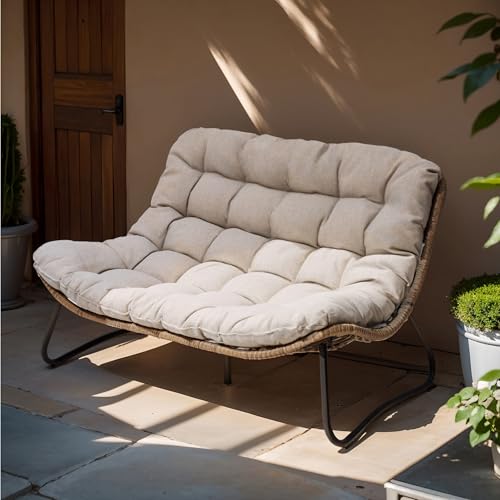
Outdoor Patio Couch: The Complete Buying Guide
Everything you need to know about choosing a patio sofa that fits your space, survives the seasons, and makes outdoor lounging genuinely comfortable — from frame construction to cushion care.
Start With the EssentialsWhy an Outdoor Patio Couch Deserves Careful Consideration
A patio couch is the anchor of any outdoor living area. It sets the seating capacity, defines the conversation zone, and dictates how the rest of your furniture — coffee tables, ottomans, side tables — arranges around it. Unlike a single lounge chair, a couch invites groups to linger, so its comfort and durability are tested far more often.
Buyers in the research stage usually know they want outdoor seating, but the details get murky: aluminum versus wicker, acrylic versus polyester cushions, sectional versus standard sofa. This guide walks through each decision point in order, so you can narrow your shortlist with confidence rather than guesswork. If you are still mapping out the broader space, start with our outdoor living overview and then return here for the couch specifics.
How to Choose the Right Patio Couch
Work through these four questions before you compare models. They eliminate most of the confusion that comes with browsing dozens of listings.
1. How much space do you actually have?
Measure the footprint of your patio or deck, then subtract the walking paths. A standard three-seat couch typically needs about 6 to 7 feet of width, while a loveseat fits within 4 to 5 feet. Leave at least 18 inches of clearance in front of the seating for legroom and movement. For balconies and narrow decks, a patio loveseat or a small-space lounge set keeps the area usable without crowding.
2. How many people will sit at once?
Count your typical gatherings, not your maximum guest list. A couple who entertains occasionally is well served by a loveseat plus a pair of patio chairs. Families and frequent hosts usually get more mileage from a full sofa or a modular sectional that can be rearranged for different occasions.
3. What does your climate demand?
Coastal areas need rust-proof frames and salt-resistant finishes. Humid regions benefit from quick-drying cushion cores and breathable fabrics. Sunny, dry climates put a premium on UV-resistant upholstery. If your patio is exposed year-round, prioritize materials with proven weather resistance over decorative appeal.
4. How much maintenance are you willing to do?
Some frames need occasional oiling, others wipe clean with soap and water. Cushions range from fully washable covers to spot-clean-only fabrics. Be honest about your routine — a couch that matches your maintenance habits will look better for longer than one that demands more than you will give.
Quick framework: Space determines size, lifestyle determines seat count, climate determines materials, and maintenance habits determine the finish and fabric you should accept. Answer all four before shortlisting.
Frame Materials Compared
The frame is the skeleton of the couch and the single biggest factor in longevity. Four materials dominate the outdoor market.
Aluminum
Aluminum is lightweight, naturally rust-resistant, and easy to move when you rearrange the patio. Powder-coated aluminum adds a layer of scratch and UV protection. It is the most common choice for modern and minimalist designs and performs well in coastal environments. The trade-off is that very light aluminum frames can feel less substantial than steel.
Powder-Coated Steel
High-grade steel delivers a solid build and a reassuring weight that keeps the couch from shifting in wind. Proper powder coating prevents rust, but any chip in the finish should be touched up promptly. Steel frames suit traditional and industrial-leaning designs and tend to hold up well under heavy use.
Wicker and Rattan
Natural rattan offers a warm, textured look but requires more care and does not tolerate prolonged moisture. Synthetic wicker — usually woven over an aluminum frame — delivers the same aesthetic with far better weather resistance and is the practical choice for exposed patios. Check that the weave is tight and the frame beneath is metal, not a composite that can degrade.
Wood
Teak, eucalyptus, and acacia bring natural warmth and age gracefully when sealed and maintained. Teak is the most weather-tolerant of the group, thanks to its natural oils. Wood frames need periodic sealing or oiling and should be covered during harsh winters. They pair naturally with rustic and farmhouse layouts — see our rustic patio guide for styling ideas.
| Frame Material | Weather Resistance | Maintenance Level | Best For |
|---|---|---|---|
| Powder-coated aluminum | Excellent — rust-proof | Low | Coastal patios, modern designs |
| Powder-coated steel | Very good — touch up chips | Low to moderate | Heavy-use family patios |
| Synthetic wicker over metal | Very good | Low | Transitional and bohemian styles |
| Teak or sealed hardwood | Good with seasonal care | Moderate | Rustic and natural layouts |
Cushion Fabrics and Comfort
A beautiful frame with poor cushions is an uncomfortable couch. Cushions determine how the sofa feels after an hour of sitting, and the fabric determines how it looks after a season of sun and rain.
Fabric choices
- Solution-dyed acrylic: The benchmark for outdoor upholstery. Color is locked into the fiber, so it resists fading and holds up to moisture and cleaning. Feature-rich for its class and widely used in mid-range and premium couches.
- Olefin: Durable and quick-drying, with good resistance to mildew. Often found in balanced-tier models and works well in humid climates.
- Polyester blends: Common in entry-level couches. Acceptable for covered patios, but check for a UV-stabilized finish if the couch sits in direct sun.
Cushion cores
Foam wrapped in fiberfill is the standard for outdoor couches — supportive with a soft surface. Quick-dry foam with an open-cell structure allows water to pass through and air to circulate, which matters for uncovered patios. Look for zippered covers so you can remove and wash them; replacement cushion sets are also widely available if the upholstery wears out before the frame does.
Firmness and depth
Deep seats — around 24 to 27 inches — suit lounging and reclining, while shallower seats around 20 to 22 inches keep posture upright for conversation and dining-adjacent seating. Firmer cushions hold their shape longer; softer cushions feel plusher on arrival but may compress over time. If you plan to add throw pillows, choose a neutral base fabric and layer color on top.
Layout and Sizing: Making the Couch Fit the Space
The couch should define the seating zone without blocking movement. A few layout rules keep the arrangement functional.
Standard sofa versus loveseat versus sectional
A three-seat sofa anchors a full conversation set with a coffee table and two chairs opposite. A loveseat suits balconies, porches, and paired seating with a single armchair. A sectional or L-shaped arrangement wraps a corner and seats more people in the same depth — ideal for larger decks and open patios. If your layout doubles as a dining zone, consider an L-shaped couch with a dining table combination.
Distance and circulation
Place the coffee table roughly 14 to 18 inches from the front edge of the couch — close enough to reach a drink, far enough to stand up comfortably. Keep a clear path of at least 24 inches between furniture groups so guests can move without sidestepping.
Anchoring the arrangement
An outdoor rug visually grounds the seating group and defines the boundary of the conversation area, especially on large decks where furniture can feel adrift. Add a side table at each end of the couch for drinks and lighting, and a coffee table with an umbrella hole if your patio needs shade over the seating zone.
Pairing with shade and warmth
Couches on exposed patios benefit from a patio umbrella or a pergola overhead. For evening use, a patio fireplace or a fire pit placed opposite the couch extends the usable season well into cooler months.
Outdoor Patio Couch Market Tiers at a Glance
Outdoor couches fall into recognizable quality bands. The descriptors below are relative positions within the category, not fixed specifications — use them to set expectations when comparing models.
| Tier | Typical Construction | Best For |
|---|---|---|
| Entry-level / essential tier | Steel or aluminum frame with basic powder coating; polyester-blend cushions; simple assembly | Covered porches, seasonal use, first outdoor setups |
| Mid-range / balanced tier | Powder-coated aluminum or steel; solution-dyed acrylic or olefin cushions; modular options common | Year-round patios in moderate climates, family use |
| Premium / high-end tier | Heavy-gauge aluminum or teak; high-density quick-dry foam; reinforced joinery; tighter weave on wicker | Exposed patios, coastal homes, long-term investment |
| Luxury / commercial-grade | Marine-grade hardware, custom upholstery, precision welding, designer-grade finishes | Hospitality settings, statement outdoor rooms |
Mid-range models usually offer the best balance of durability and design flexibility for most homeowners. The step up from entry-level typically buys better cushion foam, tighter stitching, and more consistent powder coating — differences that show up after a few seasons rather than on the showroom floor.
Care and Weatherproofing
Regular, simple maintenance keeps an outdoor couch looking new and delays replacement. Build these habits into your seasonal routine.
Routine cleaning
- Wipe frames with mild soap and water every few weeks during heavy-use seasons.
- Brush or vacuum cushion surfaces to remove grit before it works into the fabric.
- Check and clean the underside of cushions where moisture and debris collect.
Seasonal protection
- Use a fitted patio furniture cover during long stretches of disuse and in winter.
- Store removable cushions indoors during heavy rain or freezing weather.
- Touch up chips in powder coating promptly to prevent corrosion from spreading.
- Re-seal wood frames annually and tighten bolts at the start of each season.
Cushion longevity
Rotate seat cushions regularly so wear is distributed evenly. Spot-clean spills immediately with a damp cloth and mild detergent. When covers are removable, follow the care label — most solution-dyed acrylic covers tolerate gentle machine washing, but air-drying preserves the fabric longest. A replacement cushion set can extend the life of a good frame by years.
Winter storage tip: Even weather-resistant frames benefit from being covered or moved under shelter during extreme cold. Removing cushions before storage prevents trapped moisture and mildew.
Common Buying Mistakes to Avoid
- Buying by look alone. A couch that photographs well may have thin cushion foam or a frame that flexes under weight. Check construction details before committing.
- Ignoring the walkway. An oversized couch that leaves no room to pass turns a comfortable patio into a cramped one.
- Skipping the fabric check. Standard indoor upholstery degrades quickly outdoors. Confirm the fabric is rated for exterior use.
- Overlooking assembly and delivery. Large couches may arrive flat-packed or require two people to move. Plan the entry path and assembly time.
- Forgetting about shade. A couch in full afternoon sun needs an umbrella, pergola, or awning nearby — otherwise it sits empty during the hottest hours.
If your outdoor space is part of a larger plan — cooking, dining, and lounging zones together — review our outdoor living room guide to coordinate the couch with the rest of the layout.
Frequently Asked Questions
What is the best frame material for an outdoor patio couch?
Aluminum and powder-coated steel are the most durable options. Aluminum resists rust and stays lightweight, while high-grade steel offers a solid build for heavier designs. Synthetic wicker over a metal frame delivers a natural look with good weather resistance when properly maintained.
How do I protect outdoor couch cushions from rain and sun?
Choose solution-dyed acrylic or olefin fabrics rated for outdoor use, which resist fading and moisture. Store cushions in a dry box during heavy rain, and use a fitted cover when the couch sits unused for long periods. Rotate cushions regularly so they wear evenly.
What size patio couch fits a small deck?
A loveseat or a two-seat sofa typically fits a small deck without crowding the walking path. Measure the available depth and leave at least 18 inches of clearance in front of the couch for legroom and movement.
Do outdoor patio couches need assembly?
Many mid-range and premium outdoor couches ship partially assembled or flat-packed with basic tools included. Modular designs usually require connecting sections together, while full sofas may need legs and armrests attached. Allow one to two hours for typical assembly.
Can a patio couch stay outside all year?
Yes, provided the frame and cushions are rated for the climate. Powder-coated aluminum and solution-dyed acrylic cushions handle year-round exposure in most regions. In freezing or storm-prone areas, cover the couch and store cushions indoors during the worst months.