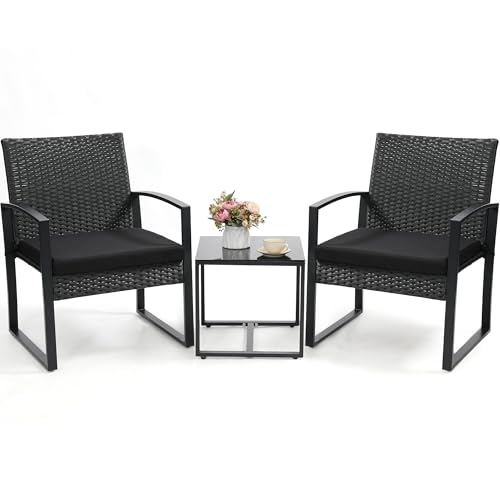
Outdoor Patio Chairs: The Complete Buying Guide
Everything you need to choose the right patio chairs for your space — from material science and comfort engineering to style matching and long-term care.
Why Patio Chairs Define Your Outdoor Space
Outdoor patio chairs are more than just seating — they set the tone for how you use your backyard, deck, or balcony. A well-chosen chair invites you to linger over morning coffee, hosts lively dinner conversations, or simply offers a quiet spot to unwind after a long day. Because chairs are the most-used furniture piece in any outdoor setup, getting them right matters more than almost any other decision.
Unlike a dining table or a fire pit that serves a single function, patio chairs must perform across seasons, weather conditions, and social scenarios. They need to be comfortable enough for long conversations, durable enough to survive rain and sun, and visually cohesive enough to tie your entire outdoor design together.
This guide walks you through every factor that separates a chair you'll love for years from one you'll regret after a single season. Whether you're furnishing a compact apartment balcony or a sprawling backyard, the principles here apply. If you're also planning a full outdoor living room, our outdoor living room guide will help you coordinate seating with tables and accents.
Types of Outdoor Patio Chairs
The right chair type depends on how you plan to use your outdoor space. Below are the main categories, each with a distinct purpose and comfort profile.
Dining Chairs
Upright posture with armrests and a seat height matched to dining tables. Ideal for al fresco meals and entertaining.
Essential TierLounge Chairs
Deep seats with reclined backs for relaxed sitting. Perfect for reading, sunbathing, or conversation areas.
Mid-Tier to PremiumSwivel & Rocking Chairs
Add motion and flexibility. Swivel chairs rotate for easy conversation; rockers provide gentle, soothing movement.
Mid-Range to High-EndAdirondack Chairs
Iconic slanted back and wide armrests. Best for lawns and casual relaxation; less suited to dining.
Classic TierStackable Chairs
Space-efficient and easy to store. Often mid-range resin or metal; great for balconies and seasonal setups.
Entry-Level to Mid-TierClub Chairs
Wide, deep, and plush. A premium choice for conversation sets and outdoor lounges with thick cushions.
Premium TierFor dedicated relaxation, browse our full selection of outdoor lounge chairs or explore patio chairs that swivel and rock if you want motion built in. If you're outfitting a compact area, lounge furniture for small spaces is a helpful companion read.
Material Comparison: Which Lasts Longest?
Material choice is the single biggest factor in how your patio chairs will look and perform over time. Each material has a distinct personality, maintenance requirement, and durability profile.
| Material | Best For | Durability | Maintenance |
|---|---|---|---|
| Aluminum | Lightweight portability & modern frames | Rust-proof when coated; long-term investment | Low — wipe clean |
| Steel (Powder-Coated) | Heavy-duty structure & traditional styles | High strength; requires rust-proof finish checks | Moderate — inspect for chips |
| Wicker & Rattan | Coastal, bohemian, and resort-inspired looks | All-weather resin wicker is highly durable | Low to moderate — brush clean |
| Teak & Hardwood | Timeless natural warmth & premium patios | Excellent when sealed; naturally weather-resistant | Moderate — oil annually |
| Resin / Plastic | Entry-level stackable seating & family use | UV-stabilized resin resists fading | Very low — hose down |
| Cast Aluminum | Ornate detailing & upscale dining sets | Heavy-duty and rust-resistant | Low — occasional polish |
Pro tip: For coastal or humid climates, prioritize aluminum, all-weather wicker, or powder-coated steel with a rust-proof finish. Solid teak is the strongest natural option for wet environments when properly sealed.
If you want to guarantee your chairs never rust, our guide to outdoor lounge chairs that won't rust dives deeper into corrosion-resistant materials. For a full material deep-dive, our recycled plastic patio furniture article covers an eco-friendly alternative that handles weather beautifully.
Comfort & Ergonomics: What to Look For
A chair can be beautiful and durable, but if it's uncomfortable, it won't get used. Comfort in outdoor furniture comes down to four measurable factors:
- Seat height: Dining chairs typically sit at 17–19 inches, while lounge chairs sit lower for relaxed posture. Match the chair to your table's height — mismatched heights are the most common comfort mistake.
- Seat depth: Deeper seats (22–25 inches) suit lounging; shallower seats (18–20 inches) suit upright dining. Consider the height of anyone who will use the chair most often.
- Back angle: A slight recline (100–110 degrees) is ideal for long sitting. Upright backs suit formal dining settings.
- Cushion quality: High-density foam with a water-resistant cover provides the best balance of softness and support. Removable, washable covers are a major plus.
If your chairs need refreshed comfort, explore waterproof lounge chair cushions or patio chair cushions designed for long-term outdoor use. Many shoppers also find that adjustable-back lounge chairs offer the most versatile comfort across activities.
Beyond the chair itself, the right outdoor rug underfoot and layered outdoor lighting overhead complete a comfortable, inviting seating zone.
Matching Chairs to Your Patio Style
Your chairs should feel like they belong to your home's architecture and your personal taste. Here's how the main design styles translate into chair choices:
- Modern & Minimalist: Sleek aluminum frames, monochrome cushions, geometric silhouettes. Less ornamentation, more clean lines.
- Rustic & Farmhouse: Weathered wood, Adirondack or rocking styles, natural tones that age gracefully.
- Coastal & Nautical: Wicker or rattan frames, light blues and whites, low-profile silhouettes that echo beach living.
- Bohemian: Mixed materials, patterned cushions, hanging and egg chairs that create a relaxed, layered look.
- Traditional & Classic: Cast aluminum with decorative detailing, coordinated dining sets, and formal symmetry.
Looking for a statement piece? Our guide to hanging egg chairs and curved steel chaise lounge swings explore how to add a distinctive focal point to your patio.
Sizing & Space Planning
Chair selection fails most often when sizing is overlooked. Before ordering, measure your patio and plan the layout carefully:
- Allow 24–30 inches of clearance between chairs for easy movement.
- Keep 36 inches of space around a dining table so chairs can pull out comfortably.
- On balconies, prioritize stackable or folding chairs that can be stored when not in use.
- In small conversation areas, choose chairs with narrower armrests and lighter visual weight.
For compact outdoor areas, see our dedicated guide to patio furniture for apartment balconies. If you're coordinating chairs with a new dining arrangement, our patio dining sets overview covers table-and-chair coordination in detail.
Care, Weatherproofing & Longevity
Patio chairs are exposed to the harshest elements your home faces. A little care extends their usable life dramatically:
- Clean regularly: Rinse metal and wicker frames monthly; use mild soap for stubborn spots.
- Protect cushions: Store or cover cushions during heavy rain and off-season months.
- Inspect hardware: Tighten bolts and check for rust spots every season; touch up coated finishes promptly.
- Seal wood: Apply a fresh sealant or oil to teak and hardwood annually to prevent drying and cracking.
- Use covers: Breathable patio furniture covers prevent dust buildup while allowing moisture to escape.
For a deeper dive into protecting your entire outdoor setup, our weatherproofing guide covers seasonal care for every material. Also consider a patio set with umbrella to shade chairs and extend their finish lifespan.
Final Buying Checklist
Before you commit to a purchase, run through this checklist to make sure your chosen chairs meet every requirement:
- Measured your space and confirmed clearance between chairs
- Matched chair seat height to your table height
- Selected a material suited to your climate and humidity level
- Confirmed cushion covers are removable and water-resistant
- Verified frame finish is rust-proof or powder-coated
- Checked weight capacity and assembled dimensions
- Planned for seasonal storage or stacking
- Reviewed warranty and return policy before ordering
- Coordinated chair style with existing patio decor and rugs
Frequently Asked Questions
What are the most durable outdoor patio chairs?
Aluminum, powder-coated steel, cast aluminum, and all-weather resin wicker offer the best durability across climates. Solid teak is the most durable natural wood when properly sealed. Entry-level resin chairs are serviceable but have a shorter lifespan.
How do I choose between dining chairs and lounge chairs?
Dining chairs are designed for upright posture and are paired with dining tables at standard table height. Lounge chairs feature deeper seats and reclined backs for relaxation. Many patios combine both: a dining set for meals and a lounge area for conversation.
Can patio chairs stay outside all year?
Most modern outdoor chairs are designed for year-round exposure, but cushions should be brought inside or covered during heavy rain and winter. Metal and wicker frames can stay outside; wood benefits from seasonal sealing.
What size patio chairs work best on a small balcony?
Stackable or folding chairs with narrower profiles are ideal for balconies. Choose armless or low-arm designs and consider bistro-height sets to maximize usable floor space.
How many chairs should I buy for a conversation area?
Most conversation areas seat four comfortably: two facing two, often anchored by a coffee table or fire pit. For larger gatherings, mix lounge chairs with ottomans or a loveseat to increase seating without overwhelming the space.
Are swivel chairs worth it for patios?
Swivel chairs add flexibility for conversation and make it easier to enter and exit seating. They're especially useful in tight layouts and are available in both mid-range and high-end tiers.