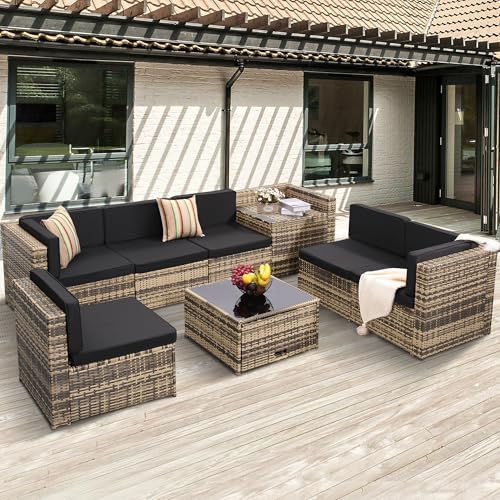
Outdoor Modular Sectional: The Complete Buyer's Guide
Everything you need to know about configuration, materials, comfort, and layout before you choose a modular sectional for your patio.
START EXPLORINGWhy this guide matters: A modular sectional is one of the most flexible investments you can make for an outdoor living space. Unlike a fixed sofa, it adapts to your deck, your family size, and your entertaining style. This guide walks you through the decisions that actually affect long-term satisfaction.
What Is an Outdoor Modular Sectional?
An outdoor modular sectional is a seating system built from individual pieces — corner units, armless chairs, ottomans, and end pieces — that connect to form a larger sofa or lounge arrangement. Because each component is freestanding, you can reconfigure the layout whenever your needs change: a U-shape for movie nights, an L-shape for everyday lounging, or a long straight run along a wall or railing.
The category has grown far beyond the basic patio couch. Modern modular systems often include integrated coffee tables, clip-on side tables, and even corner units that double as storage. For homeowners who want a lounge that feels like an extension of their indoor living room, a modular sectional is often the most practical answer. If you are still comparing broad furniture categories, our overview of outdoor lounge furniture is a useful starting point.
Why Choose a Modular Sectional Over a Fixed Sofa?
The core advantage is adaptability. A traditional patio sofa locks you into one footprint and one seating count. A modular system lets you grow the arrangement as your household changes, or shrink it when you move to a smaller balcony or deck.
- Reconfiguration on demand: Rearrange corners, armless chairs, and ottomans to match the occasion.
- Easier transport and storage: Individual pieces are lighter and simpler to move through narrow gates and doorways.
- Targeted replacement: If one cushion or frame wears out, you replace that piece rather than the entire set.
- Design flexibility: Mix finishes, cushion colors, and table inserts within the same system.
- Small-space friendly: Start with three or four pieces and expand later. Our guide to outdoor lounge furniture for small spaces explains how to scale a modular layout down without losing comfort.
Common Modular Configurations
Most modular systems are built around a small set of core components. Understanding these pieces helps you plan a layout before you shop.
L-Shape (Corner + Armless + End)
The most popular configuration for medium patios. It defines a conversation zone while leaving one side open for traffic flow. An L-shape works well against a house wall or along a railing.
U-Shape (Two Corners + Armless Units)
Best for dedicated lounge zones and larger decks. A U-shape creates an enclosed, intimate seating area that works beautifully around a fire pit or a coffee table.
Straight Run (Armless Units + End Pieces)
Ideal for narrow balconies, porches, and long walls. A straight run maximizes seating per square foot and keeps sightlines open. Pair it with lounge chairs opposite for a balanced arrangement.
Conversation Cluster (Mixed Units + Ottomans)
For very large patios, modular units can be arranged in a loose cluster with ottomans acting as movable seats or footrests. This works especially well in open-plan backyards.
| Configuration | Best For | Space Requirement |
|---|---|---|
| L-Shape | Everyday lounging, medium patios | Moderate |
| U-Shape | Entertaining, fire pit seating | Generous |
| Straight Run | Balconies, porches, narrow decks | Compact |
| Conversation Cluster | Large open patios, flexible hosting | Expansive |
Frame Materials: What to Look For
The frame determines durability, weight, and how the sectional handles weather. Most outdoor modular sectionals use one of four frame types.
Powder-Coated Aluminum
The most common choice for mid-range and premium modular systems. Aluminum resists rust, stays relatively light, and accepts a wide range of powder-coated finishes. High-grade aluminum frames with reinforced joints are the standard for long-term outdoor use.
Weather-Resistant Steel
Heavier and very stable, but requires a rust-proof finish to survive wet climates. Look for galvanized or powder-coated steel with sealed welds. Steel frames are common in commercial-grade and heavy-duty residential lines.
All-Weather Wicker over Aluminum
Wicker-wrapped frames deliver a warmer, more traditional look while keeping the structural benefits of aluminum underneath. The quality of the wicker weave matters — tighter weaves resist fraying and UV damage better. Our guide to outdoor living products covers how wicker fits into broader patio design.
Solid Wood (Teak, Eucalyptus, Acacia)
Wood frames offer a natural aesthetic but require more maintenance. Teak and eucalyptus are the most weather-tolerant; acacia is common in entry-level and mid-tier lines. Wood modular systems tend to be heavier and less frequently reconfigured.
Cushions and Comfort: The Details That Matter
Cushions are where most of the comfort — and most of the maintenance — lives. Three factors deserve close attention.
Foam Density and Core Construction
High-density foam holds its shape longer and resists sagging. Many quality modular sectionals use a wrapped foam core or a foam-and-fiber blend. Quick-dry foam is a worthwhile feature for humid climates because it allows water to drain after rain.
Fabric and UV Resistance
Solution-dyed acrylic and olefin fabrics are the most common outdoor cushion covers. They resist fading, mold, and mildew far better than untreated cotton or polyester. Removable, zippered covers make cleaning practical. For more detail, see our outdoor patio chair cushions guide.
Water Drainage and Ventilation
Look for mesh bottoms, vented cores, or drainage channels in the seat platform. These prevent water pooling under cushions — a common cause of mildew and frame corrosion.
Modular Sectional Buying Checklist
- Measure your patio footprint and note door and gate widths
- Confirm the frame material suits your climate and maintenance preference
- Check that cushions have removable, UV-resistant covers
- Verify the modular connectors are sturdy and easy to use
- Plan for at least 18 inches of walkway clearance around the seating
- Confirm replacement parts and cushion covers are available
- Check the warranty coverage for frame and fabric separately
Layout and Placement Tips
Even the best modular sectional underperforms if it is placed poorly. A few practical rules keep the space comfortable and functional.
- Anchor to a focal point: Face the sectional toward a fire pit, view, or outdoor fireplace rather than floating it in the middle of the patio.
- Leave breathing room: Keep 18–24 inches between the sectional and walls or railings for easy movement.
- Define the zone: An outdoor rug under the seating area visually anchors the modular arrangement.
- Balance with tables: A coffee table or ottoman completes the conversation circle.
- Plan for shade: If the sectional sits in full sun, pair it with a patio umbrella or a pergola.
Care and Maintenance
Outdoor modular sectionals last longest when they are maintained seasonally. A simple routine covers most needs.
- Clean frames regularly: Rinse aluminum and steel frames with mild soap and water; avoid abrasive cleaners that dull powder coating.
- Brush off cushions: Remove debris weekly and spot-clean stains promptly with a mild solution.
- Store cushions when not in use: Prolonged sun exposure fades fabric faster than almost anything else.
- Use covers in off-season: Breathable covers protect frames from rain and pollen during extended storage.
- Check connectors: Re-tighten modular clips and connectors at the start of each season.
For a deeper seasonal routine, see our weatherproofing guide and our outdoor care resources.
Pairing Your Sectional with Other Outdoor Pieces
A modular sectional rarely stands alone. The most cohesive patios combine seating with a few supporting pieces.
- Dining: If your patio is large enough, a patio dining set can coexist with a lounge zone.
- Heating: Outdoor heaters or a fire pit extend the usable season.
- Lighting: Outdoor lighting and light chains define the mood after sunset.
- Shade: A patio umbrella or pergola keeps the seating comfortable in summer.
- Accents: Outdoor planters and an outdoor rug soften the hardscape.
Frequently Asked Questions
How many pieces do I need for a modular sectional?
A three- to four-piece arrangement (one corner, two armless chairs, one end piece) comfortably seats four to five adults on a typical patio. Larger U-shape layouts often use five to seven pieces.
Can a modular sectional stay outside year-round?
Aluminum and powder-coated steel frames with solution-dyed acrylic cushions are generally designed for year-round outdoor use. In freezing climates, cushions should still be stored indoors during winter to prevent cracking.
Are modular sectionals hard to move?
Individual modules are easier to move than a single large sofa, but frames can still be heavy. Check the weight of each piece if you plan to reconfigure frequently or store the sectional seasonally.
What is the best cushion fabric for humidity?
Solution-dyed acrylic with quick-dry foam cores and mesh-bottom seat platforms handle humidity best. Avoid untreated cotton covers, which absorb moisture and mildew quickly.
Can I add pieces to a modular sectional later?
Yes — that is one of the main advantages of modular systems. Confirm before purchase that the manufacturer keeps the same frame finish and cushion fabric in production, or buy an extra armless unit as a buffer.