Picnic Table and Chairs: Complete Buying Guide
Everything you need to choose the right picnic table and chairs for your backyard, patio, or garden. Compare materials, sizes, seating capacities, and practical features before you decide.
Why this guide matters: A picnic table is one of the most versatile pieces of outdoor furniture you can own. It serves as a dining table, a workspace, a kids' craft station, and a gathering spot for friends and family. But choosing the right one involves more than picking a style you like. Material durability, seating capacity, umbrella compatibility, and storage needs all play a role. This guide walks you through each factor so you can make a confident, well-informed decision.
Picnic Table Materials Compared
The material of your picnic table determines its durability, maintenance requirements, weight, and visual character. Here is a breakdown of the most common options available today, organized by market tier so you can match your choice to your expectations.
Plastic and Resin
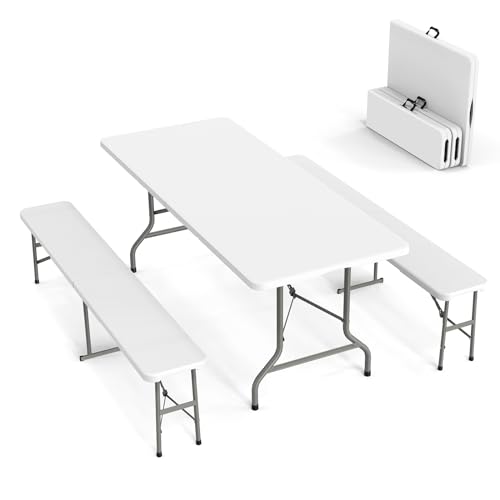
Molded plastic tables are lightweight, weather-resistant, and easy to clean. They are a practical choice for families with young children or for temporary setups. Many models are stackable or foldable for simple storage.
Pressure-Treated Pine
A classic choice for backyard gatherings, pressure-treated pine offers solid construction and a natural wood appearance. It accepts paint and stain well, allowing you to refresh the look over time. Regular sealing extends its service life.
Cedar and Teak
Naturally resistant to rot and insects, cedar and teak bring warmth and longevity to outdoor dining. These woods age gracefully and develop a silver patina if left untreated. They are a long-term investment for homeowners who value natural materials.
Powder-Coated Aluminum and Steel
Metal picnic tables with powder-coated finishes resist rust and stand up to heavy use. Aluminum models are lighter than steel, making them easier to reposition. These tables suit modern outdoor spaces and commercial-grade settings alike.
Sizes and Seating Capacities
Picnic tables come in several standard configurations. The right size depends on how many people you typically host and how much space you have available. Use the table below as a starting reference when planning your layout.
| Configuration | Typical Seating | Best For | Space Consideration |
|---|---|---|---|
| Rectangular 6-foot table | 6 adults (bench seating) | Families and everyday outdoor dining | Allows comfortable walkway clearance on a patio or lawn |
| Rectangular 8-foot table | 8 adults (bench seating) | Larger gatherings and extended families | Requires a longer footprint; check clearance for chairs at each end |
| Square table | 4 adults (bench or chair seating) | Small patios, balconies, and compact decks | Efficient use of corner space; easy conversation layout |
| Round table | 4–6 adults (chair seating) | Casual dining and social setups | No sharp corners; works well in open lawn areas |
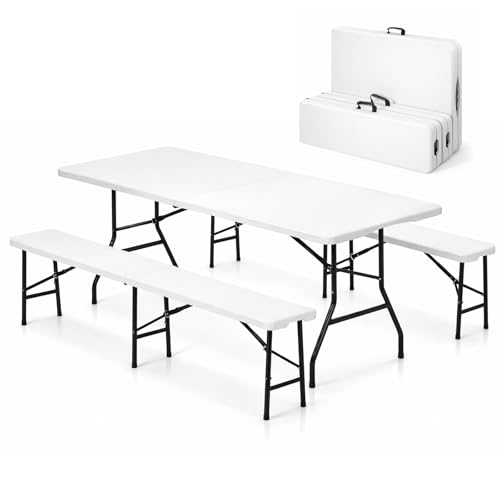
| Folding table | 4–6 adults | Camping, temporary events, and storage-limited homes | Collapses for compact storage; check locking mechanisms |
When measuring your space, remember to account for the benches or chairs extending outward from the table. A good rule of thumb is to leave at least 30 inches of clearance on all sides so people can move in and out comfortably. For a more detailed look at patio layouts, see our guide to small patio design.
Key Features to Look For
Beyond material and size, several design features can significantly affect how much you enjoy your picnic table over time. Here are the most important ones to evaluate.
- Umbrella compatibility: Many picnic tables include a pre-drilled umbrella hole. This is a major convenience for sunny locations. If you want shade flexibility, look for a table with a centered hole and pair it with a suitable patio umbrella and a stable base.
- Attached versus separate seating: Attached benches are convenient and keep seating aligned with the table. Separate benches or chairs offer more flexibility and allow you to rearrange the space for different occasions.
- Folding and storage design: If your outdoor space is limited or you prefer to store the table during cooler months, a folding model can be a practical choice. Check hinge quality and locking mechanisms before committing.
- Edge and corner safety: Rounded corners and sanded edges reduce the risk of bumps and scrapes, especially in households with children. This is a small detail that makes a meaningful difference in daily use.
- Weight and portability: A heavier table stays put in windy conditions, while a lighter table is easier to move for lawn care or rearranging. Decide which priority matters more for your situation.
- Surface finish: A smooth, sealed surface is easier to wipe clean and resists stains from food and drinks. Powder-coated metal and sealed wood both perform well here.
Placement and Space Planning
Where you place your picnic table affects both its usability and its lifespan. Here are practical considerations for different outdoor settings.
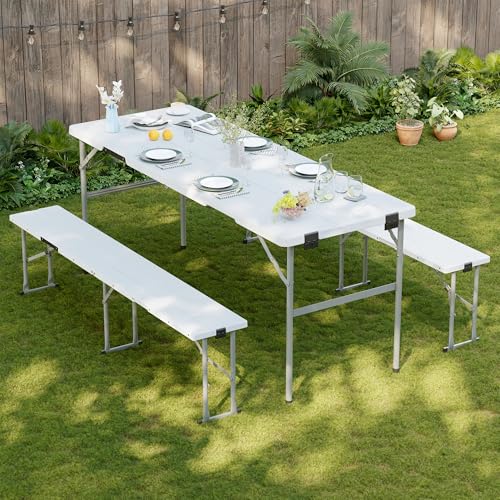
- On a lawn: Place the table on level ground to prevent wobbling. Avoid low spots where water collects after rain. A weather-resistant outdoor rug underneath can help define the dining zone and reduce mud tracking.
- On a patio or deck: Ensure the table legs rest fully on the hard surface. Consider felt pads or rubber foot caps to protect deck boards and reduce noise. For deck-specific advice, see our patio deck guide.
- Under shade: Position the table where it receives partial shade during the hottest part of the day, or use an umbrella hole with a suitable canopy. A pergola can provide overhead shade if you prefer a permanent structure.
- Near lighting: If you entertain in the evening, place the table near a power source for patio lighting or use battery-powered lanterns for a flexible setup.
- Wind exposure: Avoid fully exposed spots on windy properties. A heavier table or one with weighted feet is more stable in gusty conditions.
Care and Maintenance Basics
Proper care extends the life of any picnic table. The specific routine depends on the material, but a few universal habits apply across the board.
- Clean regularly: Wipe the surface after meals and rinse periodically with mild soap and water. Avoid harsh chemical cleaners that can strip finishes.
- Inspect hardware: Check bolts, screws, and hinges at the start of each season. Tighten anything that has loosened and replace worn parts promptly.
- Protect wood surfaces: Reapply a weather-resistant sealant or oil as recommended by the manufacturer. This is especially important for pine and cedar tables exposed to rain and sun.
- Store or cover during off-season: If you live in an area with harsh winters, store folding tables indoors or use a fitted cover. For more detailed advice, see our outdoor weatherproofing guide.
- Address rust early: On metal tables, touch up any chips or scratches in the powder coating to prevent rust from spreading.
Buying Checklist
Before You Decide, Confirm These Points
- Measure your available space, including clearance for seating and walkways.
- Decide on the number of people you need to seat regularly.
- Choose a material that matches your climate and maintenance preferences.
- Confirm whether you want an umbrella hole and compatible shade solution.
- Check whether attached benches or separate chairs suit your entertaining style.
- Consider storage needs if the table will not stay outdoors year-round.
- Review assembly requirements and whether tools are included.
- Verify the weight capacity and stability features for your intended use.
Ready to Explore Picnic Table Options?
Browse our recommended selection of picnic tables and chairs below. Each option is chosen for its practical features and suitability for outdoor living.
View Recommended ProductsFrequently Asked Questions
What is the most durable material for a picnic table?
Cedar, teak, and powder-coated aluminum are among the most durable options for long-term outdoor use. Cedar and teak resist rot naturally, while powder-coated aluminum resists rust. The best choice depends on your climate and how much maintenance you are willing to do.
Can I use a picnic table on a patio instead of a lawn?
Yes. Picnic tables work well on patios and decks as long as the surface is level. Use protective foot caps to prevent scratches on deck boards and ensure the table legs rest fully on the hard surface for stability.
How many people can a standard picnic table seat?
A standard 6-foot rectangular picnic table typically seats six adults on attached benches. An 8-foot table seats eight. Square and round models generally seat four to six, depending on the seating configuration.
Do picnic tables come with umbrella holes?
Many models do include a pre-drilled umbrella hole, but not all. If shade is important for your setup, confirm this feature before purchasing. You can also use a freestanding umbrella with a weighted base if your table does not have a hole.
How do I protect a wooden picnic table from rain?
Apply a weather-resistant sealant or oil at least once a year. During extended rainy periods or off-season months, use a fitted cover or store the table indoors if it is foldable. Regular sealing is the most effective way to extend the life of a wooden table.
Are folding picnic tables stable enough for regular use?
Quality folding tables with sturdy locking mechanisms can be very stable for regular use. Look for reinforced hinges and a locking system that secures the legs firmly. Cheaper folding designs may feel less rigid over time, so inspect the hardware carefully.