
Recliner Chair Zero Gravity: The Complete Buyer's Guide
Discover how zero gravity recliner chairs work, what features matter most, and how to choose the ideal model for your patio, deck, or backyard retreat.
Explore the GuideWhy zero gravity seating matters: A zero gravity recliner chair distributes body weight evenly by elevating the legs and reclining the back at an optimized angle. This posture reduces pressure on the spine and joints, making it a favorite for relaxation, reading, and outdoor lounging. Whether you are outfitting a compact balcony or a spacious reclining lounge chair setup, understanding the mechanics helps you buy with confidence.
What Is a Zero Gravity Recliner Chair?
The science behind the recline angle
A zero gravity recliner chair positions your body at an angle that mimics the weightless posture of astronauts during launch — typically around 120 to 140 degrees between the torso and legs. In this position, the heart works less against gravity, spinal compression eases, and the legs are elevated above heart level. Originally developed for NASA testing, the concept has been adapted into outdoor seating that combines ergonomic support with relaxation.
Unlike a standard reclining garden chair, a zero gravity model uses a synchronized recline system. As the backrest tilts, the leg rest rises proportionally, keeping the body balanced. This coordinated motion is what distinguishes true zero gravity seating from simple multi-position recliners.
How the mechanism works
Most zero gravity chairs use one of two locking systems: a lever-based friction lock or a gravity-lock rail system. In both designs, you lean back to recline and the mechanism holds the position once you release. The leg rest extends forward and upward simultaneously, driven by a linked frame or a counterweighted pivot.
- Friction-lock levers: common on mid-range folding models; simple and reliable
- Gravity-lock rails: often found on premium models; smoother single-motion recline
- Adjustable headrest: many chairs include a padded pillow that slides or pivots
- Locking positions: entry-level chairs offer a few fixed stops; high-end tiers provide continuous adjustment
Key Features to Evaluate Before You Buy
When comparing zero gravity recliner chairs, focus on these functional characteristics rather than surface aesthetics. Each feature directly affects comfort, durability, and long-term satisfaction.
Frame materialPowder-coated steel offers heavy-duty support; aluminum reduces weight for portability. Look for rust-proof finishes on outdoor models.
Fabric qualityTextilene mesh breathes well and resists fading. Double-layer fabric improves comfort and longevity.
Weight capacityCheck the stated limit and prefer chairs with reinforced joints and wider base spread for stability.
Recline rangeContinuous adjustment gives finer control than fixed stops. Test the locking mechanism for smooth operation.
PortabilityFolding models with a carry handle suit balconies and beach trips; fixed-frame models prioritize stability.
Headrest & lumbar supportRemovable padded headrests and contoured mesh improve neck and lower-back comfort.
Zero Gravity Chair Tiers Compared
Use this tier-based comparison to match a recliner's positioning to your needs. No numeric figures — just relative market positioning.
| Tier | Best For | Frame & Fabric | Recline Mechanism | Portability |
|---|---|---|---|---|
| Entry-level | Occasional use, balconies, starter setups | Basic steel frame, single-layer mesh | Lever friction lock, limited stops | Lightweight, folds flat |
| Mid-range | Regular patio use, reading nooks | Powder-coated steel, double-layer Textilene | Smooth lever lock, wider recline range | Folding with carry handle |
| Premium | Daily lounging, full-sun exposure | Reinforced aluminum or heavy-duty steel, UV-resistant fabric | Gravity-lock rail, continuous adjustment | Folds but heavier; some fixed-frame options |
| Luxury | Dedicated relaxation zones, spa-like patios | High-grade aluminum, multi-layer breathable fabric, padded accents | Precision gravity-lock, adjustable headrest and lumbar | Fixed or semi-fixed; stability prioritized |
Tier descriptors reflect relative market positioning and are used consistently throughout this guide.
Materials: What Holds Up Outdoors
Frame construction
The frame determines how stable the chair feels during recline and how well it survives weather. Steel frames with a rust-proof finish are common in mid-range and premium outdoor models. Aluminum frames reduce weight and resist corrosion, making them ideal for humid climates and portable use. Look for reinforced joints at the pivot points — these are the highest-stress areas of any recliner.
If you plan to pair your recliner with other outdoor seating, consider how the frame finish coordinates with pieces like a reclining outdoor chair or a reading lounge chair to create a cohesive relaxation corner.
Fabric and cushioning
Textilene mesh is the standard for outdoor zero gravity chairs because it dries quickly, resists mildew, and flexes with the frame. Double-layer mesh adds comfort without trapping heat. Some premium models include removable padded cushions for the seat and headrest — these should be quick-drying and UV-stabilized. For extra comfort during cooler evenings, a reclining garden furniture set with coordinating cushions can extend usability across seasons.
Sizing and Space Planning
Footprint and clearance
A fully reclined zero gravity chair extends significantly beyond its folded footprint. Before buying, measure the depth of your patio or balcony and allow at least 12 to 18 inches of clearance behind the chair for the recline arc. Folding models can be stored upright when not in use, which helps in tight spaces. If your outdoor area is compact, look for chairs with a narrower base and a steeper recline curve that keeps the center of gravity closer to the seat.
Pairing a recliner with a reclining Adirondack chair with pull-out ottoman or a reclining lounge chair can create a layered seating arrangement, but ensure each piece has room to recline without colliding.
User size and weight considerations
Zero gravity chairs come in standard and oversized frames. Taller users should check the backrest height and the leg rest length — a short leg rest can leave calves unsupported. Heavier users should prioritize chairs with a wider base, thicker frame tubing, and reinforced pivot hardware. The weight capacity stated by the manufacturer is a reliable guide, but build quality at the joints matters just as much as the number on the label.
How to Choose: A Step-by-Step Buying Guide
Step 1: Define your primary use
Will the chair stay on a covered porch, travel to the beach, or live on an open deck? Stationary use favors heavier, more stable frames. Portable use favors folding aluminum models with a carry handle. If you entertain often, consider how easily the chair folds and stores between gatherings.
Step 2: Test the recline motion
A good zero gravity chair reclines smoothly with one continuous motion. The leg rest should rise as the back lowers, and the lock should engage without a jarring stop. If possible, sit in the chair and recline fully — check that your lower back stays supported and your legs feel weightless rather than dangling.
Step 3: Check weather resistance
Outdoor recliners face sun, rain, and temperature swings. Look for UV-resistant fabric, rust-proof frame coatings, and drainage-friendly mesh. A chair that stays outside year-round needs a higher tier of weather protection than one stored in a shed. For broader maintenance guidance, see our weatherproofing guide.
Step 4: Match your outdoor style
Zero gravity chairs are available in neutral tones that blend with most patio palettes, as well as bolder colors that make a statement. If your patio leans toward natural materials, a chair with a wood-look armrest or earthy mesh can tie in with reclaimed wood benches and other rustic pieces. For a modern look, choose a streamlined frame with minimal hardware.
Editor's note: The best zero gravity recliner is the one that fits your body and your space. A mid-range model with a smooth lever lock and double-layer mesh often delivers the most balanced experience for everyday patio use. Luxury models add refinement — adjustable lumbar, precision rails, premium fabrics — but the core reclining function is similar across tiers.
Frequently Asked Questions
What does "zero gravity" actually mean in a recliner chair?
It refers to a reclined posture — roughly 120 to 140 degrees between torso and legs — that distributes body weight evenly and reduces pressure on the spine. The term comes from NASA's neutral body posture research, not from literal weightlessness.
Are zero gravity recliner chairs suitable for outdoor use?
Yes, many models are designed specifically for patios and decks. Look for rust-proof frame finishes, UV-resistant mesh, and quick-drying fabrics. Folding models are easier to store during harsh weather.
How much space do I need behind a reclining zero gravity chair?
Allow at least 12 to 18 inches of clearance behind the chair for the recline arc. The exact requirement depends on the chair's geometry — fixed-frame models typically need more space than folding models with a steeper recline curve.
Can I leave my zero gravity chair outside all year?
Premium outdoor models with UV-stabilized fabric and rust-proof frames can handle year-round exposure in mild climates. In areas with heavy snow or extreme sun, storing the chair or using a cover extends its lifespan. Check the manufacturer's care instructions.
What is the difference between a zero gravity chair and a regular recliner?
A zero gravity chair synchronizes the back recline with leg elevation, keeping the body balanced. A regular recliner typically moves the backrest and footrest independently or in a simpler linked motion. The synchronized recline is what creates the weightless feel.
Do zero gravity chairs work for tall or heavy users?
Yes, but choose carefully. Taller users should check backrest height and leg-rest length. Heavier users should look for wider bases, thicker frame tubing, and reinforced pivot joints. Oversized models are available in mid-range and premium tiers.
Recommended Zero Gravity Recliner Chairs
⚠️ AFFILIATE DISCLOSURE: This website contains affiliate links. As an Amazon Associate, we earn from qualifying purchases. If you make a purchase through these links, we may receive a small commission at no additional cost to you. Read our full affiliate policy.

Korser Recliner Chair, Power Recliners for RV with Massage and Heating, Zero-Gravity Recliner, Electric Power Recliner Chair for Living Room, Bedroom, Home, Theater Seating (Darkgray)
Check price on Amazon
Eonix Dual Motor Zero Gravity Power Recliner with Heat & Massage, Navy Blue | Infinite Position, Home Function, Lay Flat, Independently Controlled Backrest and 3.1" Extended Footrest, Side Pockets
Check price on Amazon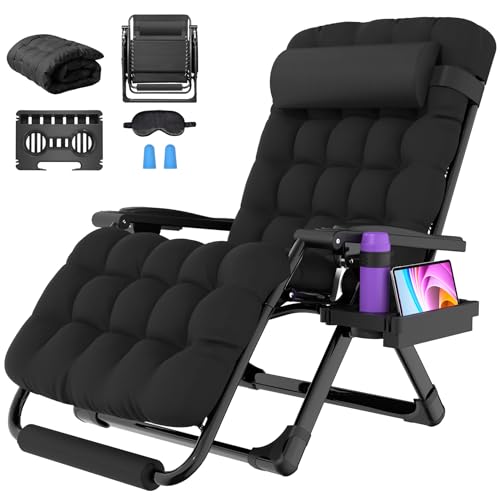
Suteck Oversized Zero Gravity Chair,500LBS 33In XXL Outdoor Recliner Chairs | w/Removable Cushion&Headrest, Camping Lounge Chair w/ Aluminum Alloy Lock&Footrest, Reclining Patio Chairs for Indoor Outdoor
Check price on Amazon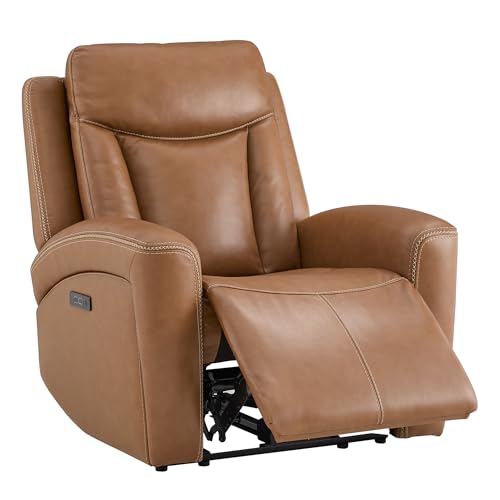
CHITA Genuine Leather Super Zero Gravity Power Recliner Chair, Saddle | Adjustable Power Headrest, USB & Type-C Ports for Living Room & Home Theater
Check price on Amazon
Eonix Triple Motor Zero Gravity Power Recliner Chair, 5'7'', White Chenille | Power Headrest, 175° Lay Flat, Heat & Massage, 3.9" Extended Footrest, Independent Storages, Cup Holders, USB/Type-C Ports
Check price on Amazon
Gethope 4D Zero Gravity Full Body Massage Chair Recliner, 57.1" SL-Track | 40 Airbags, Lumbar Heat, Foot Rollers, Shiatsu, AI Voice, 7" Touchscreen, Bluetooth, for Home & Office
Check price on Amazon