Reclining Lounge Chair: The Ultimate Buyer’s Guide to Outdoor Comfort
Everything you need to know about choosing a reclining lounge chair that delivers lasting comfort, weather resistance, and style for your patio, deck, or poolside retreat.
Why a Reclining Lounge Chair Deserves Your Attention: A reclining lounge chair transforms a simple outdoor seat into a personal relaxation station. Unlike fixed-back patio chairs, a recliner lets you shift seamlessly from morning coffee to afternoon reading to evening stargazing—all without leaving your favorite spot. This guide walks you through frame materials, reclining mechanisms, cushion quality, and practical considerations so you can choose with confidence.
What Defines a Great Reclining Lounge Chair?
A reclining lounge chair is more than a seat with a movable back. The best models combine a sturdy frame, a smooth and durable reclining mechanism, and cushions that retain their shape season after season. The chair should feel stable at every angle, never wobble, and return to an upright position without excessive effort. Whether you prefer a manual push-back recline, a lever-activated system, or a multi-position locking mechanism, the key is that the motion feels controlled and predictable.
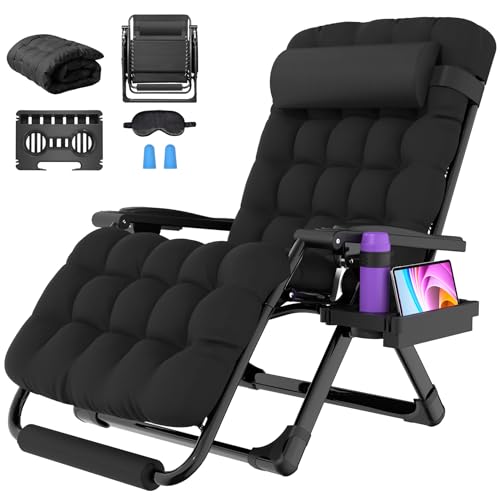
If you are comparing styles, it helps to understand how a reclining lounge chair differs from related outdoor seating. For instance, a reclining garden chair often emphasizes a lighter footprint and easy repositioning, while a zero-gravity recliner is engineered to distribute body weight more evenly across the spine. A reclining outdoor chair may offer a simpler recline range suited to casual lounging, whereas a full reclining lounge chair typically includes a longer backrest and a more generous seat depth for extended relaxation.
Key Features to Evaluate Before You Choose
Reclining Mechanism
Look for a smooth, gear-driven or friction-lock system that holds its position without slipping. Entry-level models often use a simple push-back friction hinge, while mid-range and premium tiers add multi-position locks or a lever release for finer control.
Frame Material & Finish
Powder-coated aluminum resists rust and stays light enough to move easily. High-grade steel offers maximum stability for larger users. Teak and weather-treated acacia deliver a natural look but require seasonal sealing. Resin wicker over an aluminum core balances texture with durability.
Cushion Quality
Quick-drying foam wrapped in solution-dyed acrylic fabric resists fading, mildew, and chlorine. Removable, zippered covers simplify cleaning. Higher-density foam holds its shape longer and provides better support for extended lounging.
Weight Capacity & Stability
Check the stated weight capacity and the footprint of the base. A wider base with non-slip feet prevents tipping on uneven surfaces. Reinforced joints at the recline pivot point are a sign of durable construction.
Portability & Storage
Folding or stackable designs suit smaller patios and balconies. Consider whether the chair needs to be moved frequently—aluminum frames are noticeably lighter than steel or solid wood. Some models fold flat for off-season storage.
Weather Resistance
Rust-proof hardware, UV-stabilized resin, and marine-grade finishes extend the chair’s service life. If the chair stays outdoors year-round, prioritize materials rated for full sun and repeated rain exposure.
Understanding Market Tiers Without the Guesswork
Reclining lounge chairs fall into recognizable tiers based on construction quality, mechanism sophistication, and material durability. The table below uses universal descriptors so you can compare options on features rather than fluctuating market figures.
| Tier | Typical Construction | Mechanism | Best For |
|---|---|---|---|
| Entry-Level | Lightweight steel or basic aluminum frame; standard polyester cushions | Simple push-back friction recline | Occasional use, balconies, seasonal setups |
| Mid-Range | Powder-coated aluminum or resin wicker; solution-dyed acrylic cushions | Multi-position lock or lever release | Frequent use, family patios, poolside lounging |
| Premium | Heavy-duty aluminum or solid teak; high-density quick-dry foam | Smooth gear-driven or gas-assisted recline | Daily use, full-sun exposure, long-term outdoor placement |
| Luxury | Marine-grade aluminum or premium teak; custom-fit cushions with replaceable covers | Precision multi-angle locking with damped motion | High-end patios, commercial-grade hospitality settings |
A mid-range reclining lounge chair usually offers a noticeably smoother recline action and better cushion retention than an entry-level model, while a premium or luxury tier chair is built to withstand years of daily exposure without structural fatigue. If you are furnishing a covered porch and plan to move the chair indoors during harsh weather, an entry-level or mid-range option may serve you well. For uncovered decks and poolside placements, investing in the premium tier’s weather-resistant construction is the more efficient long-term choice.
Materials Deep Dive: What Holds Up Outdoors
Aluminum Frames
Powder-coated aluminum is the benchmark for outdoor recliners. It resists rust, remains light enough to reposition easily, and accepts a wide range of finishes. Look for a thick powder coating that resists chipping; any exposed metal at joints or feet should be stainless steel or similarly corrosion-resistant. Aluminum pairs well with resin wicker for a woven look—if you like that aesthetic, explore rattan lounge chair styles that combine a woven exterior with a hidden aluminum core.
Steel Frames
High-grade steel delivers superior weight capacity and a planted feel, but it requires a robust rust-proof finish. Galvanized or powder-coated steel is suitable for covered patios; for full exposure, verify that the frame carries a marine-grade or rust-proof designation. Steel chairs are heavier, so they suit permanent placements rather than frequent rearranging.
Wood Frames
Teak and weather-treated acacia bring warmth and a natural grain that complements garden settings. Teak is naturally oil-rich and resists moisture well; acacia is a solid choice when sealed annually. Wood recliners tend to have a more traditional silhouette and pair nicely with reclining Adirondack chair with pull-out ottoman designs that emphasize relaxed, low-slung comfort.
Cushion Fabrics
Solution-dyed acrylic is the standard for outdoor cushions because the color is locked into the fiber, resisting UV fading. Quick-dry foam cores allow water to pass through rather than soak in, reducing mildew risk. Removable covers with zippers make seasonal cleaning straightforward. If your existing chair needs a refresh, replacement cushions for outdoor furniture are available in a wide range of sizes and fabric grades.
Practical Buying Checklist
Before you commit to a reclining lounge chair, confirm:
- Recline range: Does the backrest adjust through the angles you actually use—upright for reading, mid-recline for conversation, full recline for napping?
- Mechanism feel: Test the motion if possible. It should glide smoothly and hold position without slipping under body weight.
- Footprint: Measure your space and account for the chair’s reclined depth. A fully reclined chair needs clearance behind and in front.
- Weight capacity: Check the manufacturer’s rating and add a margin for dynamic movement during recline.
- Cushion attachment: Straps, ties, or hook-and-loop fasteners keep cushions from sliding when the backrest moves.
- Storage plan: Will the chair stay out year-round, or does it need to fold or stack for off-season storage?
- Assembly requirements: Some models ship fully assembled; others require attaching the backrest or legs. Confirm the tools included.
Placement and Pairing Ideas
A reclining lounge chair works as a standalone reading perch, but it also pairs well with complementary pieces. On a pool deck, position two recliners side by side with a small rattan side table between them for drinks and sunscreen. On a covered porch, angle a single recliner toward the garden and add a rattan end table for a book and a lantern. If your patio leans toward a cohesive woven look, a rattan patio set can anchor the seating area while the recliner serves as a dedicated relaxation spot.
For balconies and small decks, a folding or compact recliner preserves floor space. Pair it with a rattan storage bench that doubles as a cushion locker. If you are building a larger outdoor room, a rattan sofa plus a reclining lounge chair creates a balanced mix of social seating and solitary comfort.
Care and Maintenance for Long-Term Performance
A reclining lounge chair rewards basic upkeep with years of smooth operation. Clean the frame monthly with mild soap and water, and rinse thoroughly to remove pollen and dust. Lubricate the recline mechanism annually with a silicone-based spray—avoid oil-based lubricants that attract grit. Inspect the pivot points and tighten any bolts that loosen with use. For metal frames, touch up chips in the powder coating promptly to prevent corrosion from starting. For wood frames, apply a protective sealant at the start of each outdoor season. Cushions should be brushed clean and stored indoors during heavy rain or off-season to extend fabric life.
If your chair uses removable cushions, check the zippers and seams periodically. Replacement covers are widely available, and upgrading to a higher-grade fabric can extend the chair’s usable life. For woven frames, inspect the weave for loose strands and trim any fraying ends to prevent unraveling.
Frequently Asked Questions
What is the difference between a reclining lounge chair and a standard patio chair?
A reclining lounge chair features an adjustable backrest and sometimes a footrest, allowing you to shift from an upright seated position to a reclined lounging position. Standard patio chairs have a fixed frame and are designed primarily for dining or upright conversation.
Which frame material is best for an outdoor recliner?
Powder-coated aluminum is the most weather-resistant and lightweight option, making it ideal for frequent repositioning. High-grade steel offers superior strength for larger users, while solid teak or weather-treated acacia provides a natural aesthetic with proper seasonal care. Resin wicker over an aluminum frame balances durability with a woven texture.
How do I maintain a reclining lounge chair?
Clean the frame with mild soap and water, lubricate the reclining mechanism annually with a silicone-based spray, and store cushions indoors during off-season or heavy rain. For metal frames, touch up any chips in the powder coating promptly to prevent corrosion. For wood frames, apply a protective sealant each season.
Can a reclining lounge chair be used poolside?
Yes, provided the chair is specifically rated for poolside use. Look for quick-drying, chlorine-resistant fabrics, rust-proof aluminum frames, and non-slip feet. Avoid steel frames near saltwater or chlorinated pools unless they carry a marine-grade finish.
Ready to Find Your Perfect Reclining Lounge Chair?
Explore our curated selection of reclining lounge chairs and compare features, materials, and mechanisms side by side. Your ideal outdoor relaxation spot is one step away.
View Recommended Models