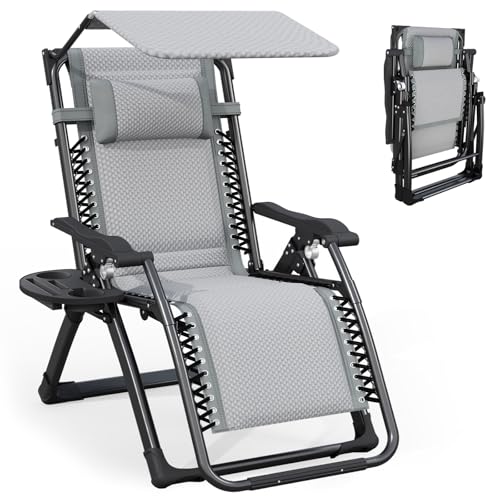
Reclining Garden Chairs: The Ultimate Comfort Guide
Everything you need to know about choosing reclining garden chairs — from mechanism types and frame materials to ergonomic sizing and long-term care. Make a confident, informed decision for your outdoor sanctuary.
START THE GUIDEWhy This Guide Matters: Reclining garden chairs are a long-term investment in your outdoor comfort. Unlike fixed seating, the reclining mechanism introduces additional engineering considerations — pivot points, locking systems, and weight distribution — that directly affect durability, safety, and daily enjoyment. This guide breaks down every factor so you can evaluate options with clarity and confidence.
What Are Reclining Garden Chairs?
Reclining garden chairs are outdoor seating pieces engineered with an adjustable backrest that tilts from an upright sitting position to a near-flat lounging angle. Unlike standard outdoor recliners that prioritize portability, garden recliners are designed to stay in place season after season — often featuring sturdier frames, wider seat profiles, and integrated footrests or ottomans.
These chairs serve a distinct purpose in outdoor living. They bridge the gap between dining chairs and full loungers, making them ideal for reading, sunbathing, afternoon naps, or simply watching the garden. If you already have a dedicated reclining lounge chair for poolside use, a garden recliner complements it by offering a more upright, conversational posture for patios and decks.
The core appeal is versatility. A single chair can transform from a breakfast seat to a stargazing station in seconds. Modern models range from entry-level manual recliners to premium motorized designs with memory positions — and understanding this spectrum is the first step toward a smart purchase.
Types of Reclining Mechanisms
The mechanism is the heart of any reclining chair. It determines how smoothly the chair adjusts, how many positions you can lock into, and how well it will hold up over years of outdoor exposure.
Manual Push-Back Recliners
These are the most common and intuitive designs. You lean back against the backrest, and the chair reclines to your desired angle. Releasing your weight allows it to return upright. Manual push-back systems are reliable, have fewer moving parts, and are generally easier to maintain. They suit casual users who adjust positions occasionally rather than constantly.
Lever-Release Recliners
A side lever unlocks the backrest, letting you set a precise angle before locking it back into place. Lever systems offer more control than push-back designs and are popular in reclining Adirondack-style chairs where the seat geometry is more upright. They require slightly more hand strength but reward users with secure, predictable positioning.
Ratchet-Lock Recliners
Ratchet mechanisms click through a series of preset angles — typically four to six positions. Each click locks firmly, so there is no risk of the chair drifting backward under weight. These are excellent for households with mixed body types, as the discrete positions accommodate different preferences without needing constant readjustment.
Motorized and Power Recliners
The premium tier. Motorized recliners use quiet electric actuators to glide between positions at the touch of a button. Many include USB charging ports, memory presets, and even app connectivity. They are the most convenient option but introduce electronics that must be weather-sealed and powered — a consideration for placement near outlets or solar setups. For a truly hands-free experience, a zero-gravity recliner chair with powered positioning represents the high-end tier of this category.
Frame Materials and Weather Resistance
Outdoor furniture lives under UV exposure, rain, humidity, and temperature swings. The frame material you choose directly determines how long your recliner remains functional and attractive.
Aluminum
Aluminum is the gold standard for garden recliners. It is lightweight yet strong, naturally resistant to rust, and takes powder-coated finishes exceptionally well. High-grade aluminum frames can last a decade or more with minimal care. They are easy to move for cleaning or rearranging, and they hold up beautifully in coastal climates where salt air would corrode lesser metals.
Steel
Steel frames offer superior rigidity and can support heavier users with confidence. However, steel is prone to rust unless treated with a rust-proof finish or galvanized coating. Look for powder-coated steel with sealed welds. Steel recliners tend to be heavier and less portable — a fair trade-off for structural solidity in a fixed patio location.
Teak and Acacia Wood
Wooden recliners bring warmth and a natural aesthetic that metals cannot match. Teak is naturally weather-resistant due to its high oil content and is the premium choice for wooden outdoor furniture. Acacia is a strong mid-range alternative that performs well when properly sealed. Wooden recliners require periodic oiling or sealing to prevent cracking and fading, but many owners consider the maintenance a worthwhile ritual.
Wicker and Rattan
Synthetic wicker (often high-density polyethylene) wrapped over an aluminum frame delivers a classic look with modern durability. It resists moisture, UV damage, and fading far better than natural rattan. A rattan lounge chair with a reclining back is a popular choice for creating a relaxed, resort-style atmosphere on a patio or sunroom.
Textilene and Mesh Fabrics
Textilene is a woven PVC-coated polyester that is breathable, quick-drying, and UV-stable. Chairs with textilene seats and backs stay cool in direct sun and resist mold and mildew. Many reclining beach chairs use this material for its lightweight performance, and it translates well to garden settings too.
Ergonomics and Sizing: What to Look For
Comfort is subjective, but a few measurable factors consistently separate well-designed recliners from generic options.
Seat Height
A seat height of 16 to 18 inches suits most adults, allowing feet to rest flat on the ground when the chair is upright. Lower seats (12 to 14 inches) are common in lounger styles and can be harder to exit for users with mobility concerns.
Seat Depth
Look for at least 20 inches of seat depth. Shallow seats force your thighs to bear weight, leading to discomfort during longer lounging sessions. Deep seats (22 to 24 inches) are ideal for taller users and for full recline positions.
Backrest Height
A backrest that reaches at least mid-shoulder provides proper head and neck support when reclined. High-back designs are especially valuable if you plan to nap or read for extended periods.
Weight Capacity and Frame Gauge
Reputable manufacturers publish weight capacities. A chair rated for 300 pounds or more typically uses thicker frame tubing and reinforced joints — a sign of heavy-duty construction that will resist wobble over time.
Armrests
Armrests aid entry and exit, and they provide a natural resting place for your forearms when upright. On recliners, ensure the armrests do not interfere with the recline motion — some designs fold back or slide out of the way.
Cushions, Fabrics, and Breathability
If your recliner includes cushions, fabric choice matters as much as frame material. Solution-dyed acrylic fabrics are the standard for outdoor cushions — they resist fading, mildew, and water absorption. Olefin is a more accessible alternative with good UV resistance. Avoid cotton or untreated polyester, which degrade quickly under sun and rain.
Cushion thickness of 4 to 6 inches provides meaningful support without feeling overly soft. Quick-dry foam cores prevent waterlogging after rain. For maintenance, removable, machine-washable covers are a practical advantage. If you own a wicker or rattan recliner, consider a set of replacement cushions for rattan furniture to refresh the look and comfort without replacing the frame.
Comparison: Reclining Garden Chair Tiers
The table below outlines how features scale across market tiers. Use it to align your expectations with the position a product occupies in the market.
| Tier | Mechanism | Frame Material | Best For |
|---|---|---|---|
| Entry-Level | Manual push-back, 2–3 positions | Powder-coated steel or basic aluminum | Occasional use, seasonal patios, first-time buyers |
| Mid-Range | Lever-release or ratchet-lock, 4–5 positions | High-grade aluminum, sealed acacia wood | Regular lounging, families, mixed-use outdoor spaces |
| Premium | Smooth ratchet or early power, 5+ positions | Premium aluminum, teak, synthetic wicker over aluminum | Daily use, design-conscious patios, long-term installations |
| Luxury / Top-Tier | Motorized with memory presets, app control | Aircraft-grade aluminum, marine-grade hardware, teak | Full outdoor living rooms, luxury decks, commercial-grade settings |
Note that moving up a tier does not simply add luxury — it typically brings smoother mechanisms, tighter tolerances, and better weather sealing, all of which translate into a longer service life and fewer annoyances. A mid-range model is often the sweet spot for homeowners who use their garden daily.
Placement and Pairing Ideas
Reclining garden chairs work best when positioned with intent. On a patio, angle the chair toward the best view — a garden bed, a water feature, or the sunset. Pair two recliners with a small rattan end table between them to create a natural conversation zone. On a deck, a recliner placed alongside a reclining garden furniture set becomes a dedicated reading corner.
If you are building a full outdoor lounge, consider how the recliner relates to your existing seating. A reclining chair can replace a stationary lounge chair in a rattan patio set, adding flexibility without disrupting the visual rhythm. For small spaces, a single well-chosen recliner paired with a side table and a planter can define a complete relaxation nook.
Care and Maintenance
- Seasonal lubrication: Apply silicone spray to hinges and pivot points at the start of spring. Avoid oil-based lubricants that attract grit.
- Routine cleaning: Wipe the frame with a damp cloth monthly. For textilene or wicker, use mild soapy water and a soft brush — never a pressure washer.
- Cushion care: Shake out cushions weekly and bring them indoors during heavy rain. Spot-clean with a fabric-safe cleaner and allow to air dry fully before use.
- Winter protection: If storing outdoors, use a breathable cover rather than a sealed plastic tarp, which traps condensation and promotes mold. In severe climates, store the chair indoors.
- Mechanism checks: Cycle the recline function through its full range monthly during the off-season to prevent seizing.
With basic care, a quality recliner can serve you for many seasons. Regular attention to the mechanism is especially important — a smooth recliner stays smooth only if its moving parts are kept clean and lubricated.
Ready to Find Your Perfect Recliner?
Explore our curated selection of reclining garden chairs — from entry-level manual recliners to premium motorized loungers — and compare the features that matter most.
VIEW RECOMMENDED MODELSFrequently Asked Questions
What is the difference between a reclining garden chair and a standard patio chair?
A reclining garden chair features an adjustable backrest that can tilt backward into multiple positions, whereas a standard patio chair has a fixed upright seat. Reclining models are designed for lounging, reading, and napping, while fixed chairs prioritize dining and social seating.
Which material is best for reclining garden chairs?
Aluminum and high-grade steel offer the best balance of durability and weather resistance. Teak and acacia wood provide a premium natural look with proper sealing. Textilene and high-density polyethylene wicker are excellent for breathability and low maintenance in humid climates.
How do I maintain the reclining mechanism on outdoor chairs?
Lubricate metal hinges and pivot points with a silicone-based spray at the start of each season. Keep tracks clear of sand and debris by wiping them with a damp cloth monthly. During winter storage, cycle the mechanism through its full range to prevent seizing.
Can reclining garden chairs be left outside year-round?
Most modern recliners with rust-proof finishes and UV-resistant fabrics can remain outdoors in mild climates. However, in regions with heavy snow or extreme temperature swings, storing chairs in a shed or using a fitted cover will significantly extend the lifespan of both the frame and the mechanism.