Reclining Outdoor Chairs: The Complete Buying & Comfort Guide
Everything you need to know before choosing a reclining outdoor chair — from zero-gravity mechanisms and cushion materials to frame durability and layout planning. Research with confidence, then relax in comfort.
Explore Top PicksWhy reclining chairs matter: A standard patio chair keeps you upright for conversation, but a reclining outdoor chair transforms your deck into a relaxation destination. Whether you are reading under an awning, watching the sunset, or napping poolside, an adjustable backrest relieves pressure on the spine and legs. This guide walks you through every decision point so you choose a chair that fits your body, your space, and your long-term outdoor routine.
Types of Reclining Outdoor Chairs
Not all recliners are built the same. The mechanism and frame construction define how comfortable a chair feels and how well it survives weather. Below are the primary categories you will encounter during your research.
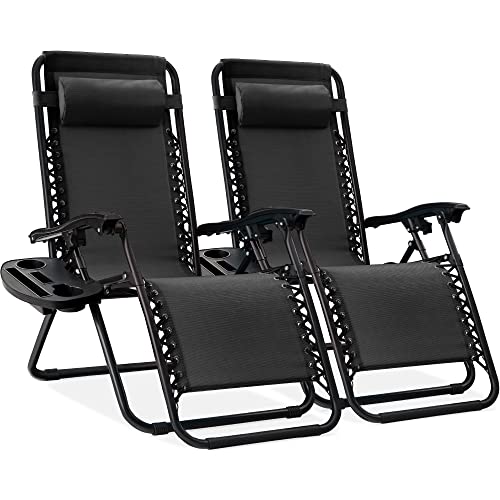
Folding Zero-Gravity Recliners
Lightweight aluminum frames with fabric seats that recline to a near-horizontal, weightless angle. Best for lawns, beaches, and flexible patio layouts. Fold flat for storage and are easy to reposition as the sun moves.
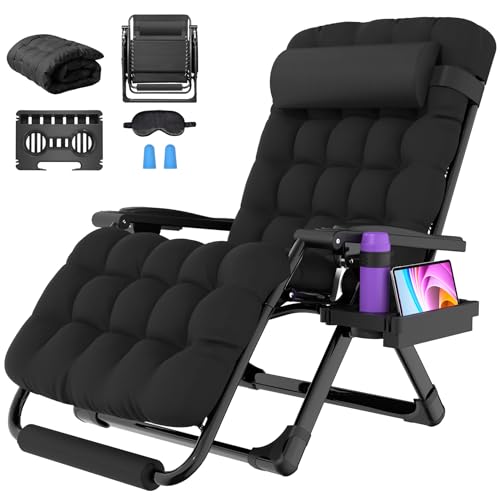
Cushioned Patio Lounge Recliners
Integrated frame-and-cushion designs with multi-position backrests and often built-in footrests. Suited to permanent deck arrangements where comfort and visual cohesion matter more than portability.
Wicker & Rattan Recliners
Weather-resistant synthetic wicker over powder-coated aluminum. Offer a warm, resort-like aesthetic and pair beautifully with matching outdoor seating groups. Heavier and intended for fixed placement.
Commercial-Grade Recliners
Reinforced steel frames and high-density foams built for hospitality use. Feature smoother reclining mechanisms, larger weight capacities, and longer warranties — a long-term investment for heavy daily use.
If your priority is portability, a zero-gravity recliner chair is the most flexible option. If you want coordinated furniture for a fixed lounge area, reclining garden furniture sets combine recliners with companion pieces. For a classic cushioned feel, browse reclining lounge chairs designed for extended lounging.
How the Reclining Mechanism Works
The mechanism determines how smoothly the chair adjusts and how long it will last. There are three main systems used in reclining outdoor chairs.
- Locking lever systems: A lever locks the backrest at preset angles. Simple, durable, and common on folding and zero-gravity chairs. Fewer moving parts means fewer failure points.
- Continuous friction mechanisms: Allow infinite angle adjustment along a track. Smooth operation makes them a favorite for cushioned patio recliners, but the friction pads wear over time and may need periodic tightening.
- Independent foot and back controls: Higher-tier models separate the recline of the backrest from the footrest, enabling a true chaise position. These are ideal for reading or full-body lounging and appear on recliners with separate foot and back controls.
Frame and Fabric Materials That Last
Outdoor recliners face sun, rain, and temperature swings. The best materials combine lightweight strength with rust-proof finishes and UV-stable fabrics.
| Material | Best For | Durability Notes | Tier |
|---|---|---|---|
| Powder-coated aluminum | Portable and folding recliners | Rust-proof finish, lightweight, easy to reposition | Essential to Mid-Tier |
| High-grade steel | Cushioned patio recliners | Heavy-duty and reinforced; needs rust-proof coating | Mid-Tier |
| Weather-resistant synthetic wicker | Rattan-style loungers | UV-stabilized weave over aluminum; long lifespan | High-End Tier |
| Teak and hardwood | Traditional and Adirondack styles | Naturally rot-resistant; requires seasonal sealing | Premium Tier |
Cushion selection is equally important. Choose quick-drying foam wrapped in solution-dyed acrylic or olefin fabric. If you already own wicker seating, replacement cushions can refresh an existing set — see our guide to replacement cushions for wicker furniture for compatibility tips.
Key Buying Criteria Before You Commit
Buyers in the research stage usually know they want a recliner but hesitate over specifications. Work through this checklist in order.
- Seat height and depth: Measure your leg length from floor to knee. The seat front should not press behind the knee when fully reclined. Deep seats suit taller users; shallow seats help shorter users keep feet grounded.
- Weight capacity and frame gauge: Check the stated capacity and look for reinforced joints. Commercial-grade frames handle heavier daily use.
- Recline range: Confirm the maximum angle. Chairs that reach 160–170 degrees support near-flat lounging, while 120–140 degrees suits upright reading and conversation.
- Portability vs. permanence: Folding recliners move easily but offer less integrated cushioning. Fixed cushioned recliners are more comfortable for long sessions but stay put.
- Maintenance routine: Aluminum and synthetic wicker need only occasional cleaning. Wood requires annual sealing and cushions need seasonal washing or storage.
- Space planning: A fully reclined chair needs clearance behind and in front. Measure your deck or lawn area and leave walking space around the lounger.
For poolside arrangements, pair a recliner with a reclining beach chair for guests who prefer lower seating. If you want a recliner that doubles as a reading chair, compare reading lounge chairs with dedicated lumbar support.
Recliner Styles Compared at a Glance
| Style | Best For | Adjustability | Care Level | Tier |
|---|---|---|---|---|
| Zero-gravity folding recliner | Lawn, poolside, sun tracking | Locking lever, preset angles | Low | Essential Tier |
| Cushioned patio recliner | Fixed deck lounge zones | Continuous friction track | Medium | Mid-Tier |
| Wicker rattan recliner | Coordinated furniture sets | Multi-position backrest | Low to Medium | High-End Tier |
| Wooden Adirondack recliner | Rustic and classic decors | Stepped backrest positions | High (annual sealing) | Premium Tier |
| Commercial-grade recliner | Heavy daily use, hospitality | Independent foot and back | Medium | Professional-Grade |
When shopping for a complete lounge arrangement, our guides to reclining garden chairs and reclining lounge chairs break down frame construction and comfort features in greater detail. Buyers who want an all-in-one relaxation setup can explore the reclining Adirondack chair with pull-out ottoman.
Care, Storage, and Long-Term Use
A reclining chair is a mechanical product as much as a piece of furniture. Protecting the moving parts is the single most important maintenance habit.
- Lubricate pivot points annually: A silicone-based lubricant keeps friction mechanisms smooth and prevents seizing after winter storage.
- Clean frames seasonally: Rinse aluminum and steel with mild soap and water, then dry fully before folding or covering.
- Protect cushions: Bring cushions indoors during heavy rain or extended off-season periods. Quick-drying foam still benefits from ventilation.
- Use fitted covers: A breathable cover prevents water pooling in the seat and shields the reclining hardware from debris.
- Store folding models flat: Zero-gravity and folding recliners last longer when stored indoors during freezing months.
- Check hardware each season: Tighten bolts and inspect straps or friction pads before the first use of the year.
Frequently Asked Questions
What is the most comfortable type of reclining outdoor chair?
Zero-gravity recliners and cushioned lounge recliners are widely considered the most comfortable because they distribute body weight evenly and support the spine in a near-weightless position. The best choice depends on whether you prioritize portability, adjustability, or deep cushioning.
How do I choose between a zero-gravity recliner and a classic patio recliner?
Zero-gravity recliners are lightweight, foldable, and ideal for lounging near pools or on lawns. Classic patio recliners use heavier frames, integrated cushions, and often feature smooth reclining mechanisms suited to permanent deck arrangements. Choose zero-gravity for flexibility and patio recliners for integrated comfort.
What materials hold up best in an outdoor recliner?
Powder-coated aluminum, high-grade steel, and weather-resistant synthetic wicker offer the best durability. Look for rust-proof finishes, UV-stabilized fabrics, and quick-drying foam cushions to extend the lifespan of reclining outdoor chairs.
Can reclining outdoor chairs stay outside all year?
Many recliners are designed for year-round outdoor exposure, but using a fitted cover during harsh weather protects the reclining mechanism and cushions. Folding models should be stored during off-season months to preserve the frame and moving parts.
How much clearance does a recliner need on a deck?
Allow at least 18 to 24 inches behind the backrest and roughly 30 inches in front of the footrest for a full recline. Measure your available footprint before ordering, and account for walking paths around the chair.
Final Buying Advice
Reclining outdoor chairs reward careful research. Decide first whether you need portability or permanent comfort, then match the mechanism and materials to your climate. Prioritize a reinforced frame, a smooth and lockable recline, and UV-stable fabrics. Buyers who plan for seasonal care and measure their deck space typically keep their recliner for many seasons. Once your choice is made, the remaining decision is simply where to place it for the best view.