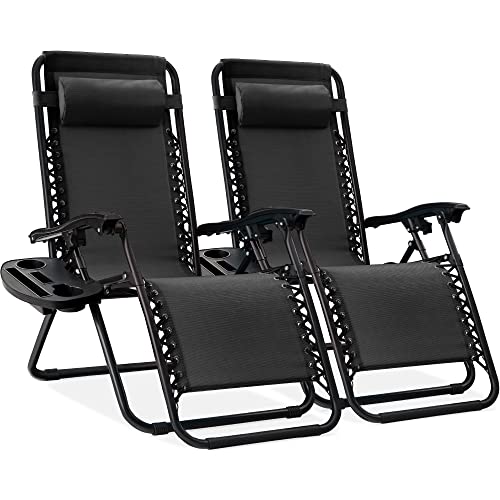
Reclining Beach Chairs: Your Complete Buying Guide
Find the perfect balance of comfort, portability, and durability for your next beach day. We break down everything you need to know before choosing a reclining beach chair.
Start the GuideWhy trust this guide? Reclining beach chairs are more than just a seat—they're your personal relaxation hub at the shore. Whether you're a sunbather, a reader, or someone who loves a good beach picnic, the right chair can make or break your day. This guide covers recline mechanisms, frame materials, fabric durability, portability, and tier-based recommendations so you can make an informed decision before you buy.
What Makes a Great Reclining Beach Chair?
A reclining beach chair is defined by its ability to adjust the backrest angle, letting you shift from upright to fully reclined with ease. The best models combine a sturdy frame, weather-resistant fabric, and a mechanism that locks securely in multiple positions. But not all chairs are created equal—entry-level options often feature basic pin-lock recline systems, while mid-range and premium tiers offer smoother, multi-position adjustments and reinforced joints.
When shopping, pay attention to the recline range. Some chairs offer just two or three positions, while high-end models provide a near-flat lay-flat experience. Also consider the seat height and back height—taller backs offer more head and shoulder support, while lower profiles are easier to carry and store.
Recline Mechanism
Pin-lock systems are common on entry-level chairs, while premium models use smooth lever or ratchet mechanisms for effortless adjustments. Look for a locking system that holds firm under weight.
Frame Material
Aluminum is lightweight and rust-resistant—ideal for beach use. Steel is heavier but more durable. High-grade aluminum or powder-coated steel offer the best balance of strength and portability.
Fabric Quality
Look for solution-dyed fabrics or PVC-coated mesh that resist fading, mildew, and saltwater. Breathable mesh dries quickly and stays cool, while padded fabrics offer more comfort for lounging.
Portability & Weight
Backpack-style chairs with padded straps are easiest to carry. Consider folded dimensions and weight—most portable recliners weigh between 5 and 12 pounds. Check for carry bags and compact folding designs.
Weight Capacity
Standard chairs support 200–250 lbs. Heavy-duty and commercial-grade models handle 300–400 lbs with reinforced frames and wider seats. Always verify the stated limit before use.
Extra Features
Cup holders, side pockets, headrests, and footrests add convenience. Some chairs include a sun shade or towel bar. Think about what you'll need for a full day at the beach.
Reclining Beach Chair Tiers: Which One Fits You?
To make your decision easier, we've categorized reclining beach chairs into three tiers based on build quality, features, and intended use. This system helps you compare options without getting lost in specifications.
| Tier | Best For | Key Characteristics |
|---|---|---|
| Entry-Level | Occasional beachgoers, casual use | Basic pin-lock recline, lightweight steel frame, simple fabric. Good for short trips and light use. |
| Mid-Range | Regular beachgoers, families | Multi-position recline, aluminum frame, solution-dyed fabric, backpack straps, cup holder. Balanced durability and portability. |
| Premium | Frequent users, comfort seekers | Near-flat recline, high-grade aluminum or composite frame, padded fabric, headrest, reinforced joints. Designed for long days and repeated use. |
| Luxury / Commercial-Grade | Heavy users, resorts, large body types | Lay-flat design, commercial-grade materials, higher weight capacity, extra-wide seat, premium hardware. Built for maximum durability and comfort. |
Remember: a mid-range chair often provides the best balance for most users—it offers smoother recline mechanisms and better fabric than entry-level models without the extra bulk of luxury tiers. If you visit the beach weekly, investing in a premium or luxury chair can be a worthwhile long-term investment.
Key Buying Considerations
1. Recline Positions and Range
How far back does the chair recline? Some chairs offer 3–5 positions, while others provide infinite adjustment within a range. For sunbathing, look for a near-flat recline (around 170–180 degrees). For reading or socializing, an upright to mid-recline range is sufficient.
2. Frame Strength and Stability
Check the frame material and joint construction. Aluminum frames are lightweight and resist rust, but thick-walled aluminum or steel offers more stability. Look for reinforced joints and wide feet that prevent sinking into sand. Some models include sand-friendly discs or extra-wide bases for better stability on soft terrain.
3. Fabric Durability and Comfort
Beach environments are tough on fabrics—salt, sun, and sand can degrade low-quality materials quickly. Choose solution-dyed or PVC-coated fabrics that resist UV fading and mildew. Breathable mesh is cooler, while padded fabric provides more comfort for lounging. Consider removable, washable covers if you plan to use the chair often.
4. Portability and Storage
If you walk to the beach, a backpack-style chair with padded straps is a game-changer. Check the folded size—compact chairs fit easily in a car trunk or closet. Weight matters too: lighter chairs are easier to carry but may sacrifice stability. A good rule of thumb: under 8 pounds is highly portable; 8–12 pounds is manageable; above 12 pounds is best for car-based trips.
5. Weight Capacity and Fit
Always check the weight limit. Standard chairs support 200–250 lbs, but heavy-duty models handle 300–400 lbs. If you're taller or larger, look for wider seats (20+ inches) and taller backs. Some chairs offer adjustable lumbar support or extended leg rests for better ergonomics.
6. Additional Features
Cup holders, side pockets, and phone sleeves keep essentials handy. A headrest or pillow adds comfort for extended lounging. Some chairs include a sunshade or umbrella attachment—great for sunny days. Consider a chair with a footrest if you plan to nap or fully stretch out.
How to Maintain Your Reclining Beach Chair
Proper care extends the life of your chair and keeps it looking great season after season:
- Rinse after every beach trip: Salt and sand are abrasive. Rinse the frame and fabric with fresh water to prevent corrosion and wear.
- Dry completely before folding: Moisture trapped in the frame or fabric can lead to mildew and rust. Let the chair air-dry fully in the sun before storing.
- Lubricate moving parts: Apply a silicone-based lubricant to hinges and recline mechanisms every few months to keep them operating smoothly.
- Inspect for wear: Check the fabric for tears, the frame for rust, and the recline mechanism for looseness. Address small issues before they become big problems.
- Store properly: Keep your chair in a cool, dry place—ideally indoors or in a garage. Avoid leaving it outside in direct sun for extended periods, which can fade fabric and weaken materials.
Frequently Asked Questions
Related Outdoor Relaxation Guides
Explore more of our outdoor seating and comfort guides to complete your backyard or beach setup:
- Reclining Outdoor Chairs: Comfort Meets Style — Compare options for patios, decks, and lawns.
- Reclining Lounge Chair Guide — Deep dive into loungers for ultimate relaxation.
- Recommended Low Beach Chairs — For those who prefer a lower seating profile.
- Reclining Garden Chairs — Merge garden aesthetics with adjustable comfort.
- Zero Gravity Recliner Chair — Discover the benefits of zero-gravity seating.
- Reading Lounge Chair — Perfect for book lovers who lounge outdoors.
- Reclining Adirondack Chair with Ottoman — Classic style with modern adjustability.
- Recliner with Separate Foot and Back Controls — For precise positioning.
Ready to Find Your Perfect Reclining Beach Chair?
Browse our curated selection of top-rated reclining beach chairs and compare features side by side. Your next beach day deserves the best seat in the sand.
View Recommended Chairs