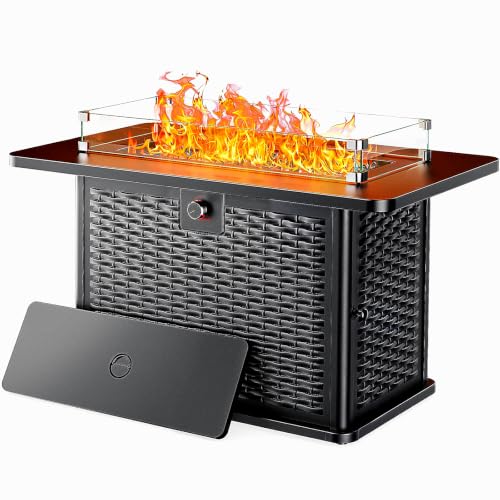
Rectangular Fire Pit Table with Propane Tank Inside: The Complete Buyer's Guide
Everything you need to know about concealed-tank fire tables — how they work, what to look for, safety essentials, and how to choose the right model for your outdoor space.
Why this guide matters: A rectangular fire pit table with a propane tank inside combines the warmth and ambiance of a fire feature with the convenience of a full outdoor table. The integrated tank compartment keeps the cylinder out of sight, eliminates trip hazards, and preserves a clean, furniture-like appearance. This guide walks you through the engineering, practical considerations, and selection criteria so you can make a confident, well-informed decision.
What Is a Rectangular Fire Pit Table with a Propane Tank Inside?
A rectangular fire pit table with propane tank inside is a dual-purpose outdoor furniture piece. The tabletop provides usable surface area for drinks, plates, or decor, while a central or offset burner produces a controlled flame. Beneath the tabletop — or behind an access panel on the side — a compartment houses a standard propane cylinder. A regulator and flexible hose connect the tank to the burner assembly.
This design differs from conventional fire pits that require an external tank. By internalizing the fuel source, the table maintains a streamlined silhouette and removes the need for a separate tank enclosure or nearby hose routing. The result is a cleaner installation that looks intentional and integrated rather than improvised.
Most models are designed for residential use on patios, decks, and porches. They typically accommodate a standard 20-pound propane cylinder, though compact versions may use smaller tanks. The burner is usually rated for a heat output suitable for conversational seating areas, and many tables include a lid that converts the fire feature into a full flat surface when not in use.
For related outdoor heating options, explore our guides on rectangular fire pits with hidden propane tanks and rectangular propane fire pits with internal tank storage.
How the Integrated Propane System Works
Understanding the internal plumbing helps you evaluate quality and plan for maintenance. Here is the typical sequence of components:
- Tank compartment: A ventilated enclosure, often accessible via a hinged door or removable panel, holds the propane cylinder upright.
- Regulator and hose: A pressure regulator attaches to the tank valve and feeds gas through a flexible hose to the burner control valve.
- Control valve: A knob or dial regulates gas flow. Many models include a push-button igniter or a battery-powered electronic ignition.
- Burner: A stainless steel or high-grade metal burner distributes the flame. Some designs use a linear burner to match the rectangular shape, while others use a round burner with decorative media.
- Safety features: Quality units include a thermocouple or flame-sensing device that cuts gas flow if the flame extinguishes. Some include an auto-shutoff timer.
Ventilation is critical. The compartment must allow air exchange to prevent gas accumulation in the event of a leak. Reputable manufacturers engineer vent slots or louvers into the enclosure. Never block these vents, and never modify the compartment to fit a larger tank than the manufacturer specifies.
Key Features to Evaluate Before You Choose
Tank Accessibility
A hinged side door or slide-out tray makes tank swaps far easier than removing the tabletop. Look for a design that lets you disconnect, lift, and replace the cylinder without tools.
Burner Output & Flame Control
Adjustable flame height lets you move from a low ambiance flame to a higher warming flame. A well-machined valve provides smooth, predictable control rather than an on/off experience.
Ignition System
Electronic ignition is more convenient than manual push-button ignition, especially in windy conditions. Battery-powered igniters are common and easy to maintain.
Tabletop Material
Powder-coated steel, aluminum, stainless steel, and concrete composite are common. Each has different maintenance needs and weather resistance characteristics.
Heat Shielding
Quality tables use insulated burner pans and heat shields to protect the tabletop and the tank compartment from excessive heat transfer.
Convertible Lid
A matching lid that covers the burner when not in use turns the fire table into a full flat tabletop, increasing usable surface area for entertaining.
Wind Guard
Glass or metal wind guards help maintain a stable flame in breezy conditions. Some models include them as standard; others offer them as accessories.
Drainage & Weatherproofing
Outdoor tables should handle rain and humidity. Look for drainage channels, sealed seams, and rust-resistant hardware.
Sizing and Placement: Getting the Proportions Right
Rectangular fire tables come in a range of footprints. The right size depends on your seating arrangement, available floor space, and how you plan to use the table.
- Compact tables: Typically around 40 to 48 inches long. Suitable for small patios, balconies, or intimate seating for two to four people.
- Mid-size tables: Roughly 50 to 60 inches long. A versatile choice for most residential patios with four to six seats.
- Large tables: 60 inches and above. Designed for generous outdoor rooms and larger gatherings. These models often accommodate a larger tank or dual-tank setup.
Allow a minimum of 18 to 24 inches of clearance between the table edge and surrounding furniture or walls. This ensures comfortable movement and safe clearance from flammable materials. On a wooden deck, check local regulations and consider a heat-resistant mat beneath the table if recommended by the manufacturer.
For complementary outdoor furniture, consider rectangular patio dining tables with umbrella holes or rectangular glass patio tables with umbrella holes if you need dedicated dining surfaces in addition to a fire feature.
Materials: Durability, Maintenance, and Climate Fit
The material of the table body and tabletop affects longevity, appearance, and maintenance requirements. Here is how the common options compare:
| Material | Durability | Maintenance | Best For |
|---|---|---|---|
| Powder-coated steel | Solid build with good rust resistance when coating is intact | Wipe clean; inspect for chips and touch up as needed | General residential use in most climates |
| Aluminum | Lightweight and naturally corrosion-resistant | Low maintenance; wash with mild soap and water | Coastal areas and humid climates |
| Stainless steel | Premium corrosion protection and heat resistance | Periodic cleaning to maintain appearance; resistant to staining | High-end installations and harsh weather exposure |
| Concrete composite | Heavy-duty and substantial; resistant to wind uplift | Seal periodically; avoid abrasive cleaners | Modern design statements and permanent placements |
| Stone or tile top | Luxury look with excellent heat resistance | Seal porous surfaces; clean grout lines | Premium outdoor rooms and coordinated hardscaping |
Climate note: In coastal environments, aluminum and stainless steel are the most forgiving choices. In freezing climates, ensure the table and tank compartment are drained and covered during winter. Concrete composite tables are heavy and stable but require sealing to prevent moisture absorption.
Safety Essentials for Internal Propane Storage
Propane is a safe fuel when handled correctly. The following practices are non-negotiable for any fire table with an internal tank:
- Keep vents clear: Never place the table against a wall in a way that blocks the compartment vents. Airflow is your primary defense against gas accumulation.
- Check for leaks: Before first use each season, perform a soapy-water test on the regulator, hose, and connections. Bubbles indicate a leak — tighten or replace the component.
- Use the correct tank: Only use the tank size specified by the manufacturer. Do not force a larger tank into the compartment.
- Store upright: Always keep the propane cylinder upright, even when the table is not in use. Never lay it on its side.
- Inspect the hose: Check the hose for cracks, brittleness, or abrasion. Replace it if any damage is visible.
- Never modify the burner or compartment: Altering the gas system voids warranties and creates safety risks.
- Keep flammable materials away: Maintain clearance from curtains, cushions, umbrellas, and other combustible items.
- Turn off when unattended: Always shut off the gas supply at the tank valve when the table is not in use.
For more outdoor safety guidance, see our relaxation and wellness resources, which cover patio comfort and safe outdoor living practices.
Market Tiers: What to Expect at Each Level
Fire tables with internal tank storage are available across a spectrum of quality tiers. This classification is based on materials, engineering, and feature depth — not on numerical figures. Use it to align your expectations with what each tier typically delivers.
| Tier | Typical Characteristics | Best For |
|---|---|---|
| Entry-level | Powder-coated steel body, basic manual ignition, simple tank access panel, limited wind resistance | Occasional use, sheltered patios, first-time fire table buyers |
| Mid-range | Improved burner design, electronic ignition, hinged tank door, convertible lid, better heat shielding | Regular entertaining, most residential patios, balanced feature set |
| Premium | Stainless steel or high-grade aluminum construction, precise flame control, integrated wind guard, refined tabletop materials | Frequent use, exposed locations, design-conscious outdoor rooms |
| Luxury | Cast concrete or stone-composite tops, commercial-grade burner components, advanced safety features, seamless tank integration | High-end installations, permanent outdoor living spaces, statement pieces |
Across tiers, the most noticeable difference is often in the tank compartment design. Entry-level models may require you to lift the tabletop to access the tank, while mid-range and above typically offer a side door or slide-out tray. Burner quality also scales — premium tiers deliver a more consistent flame pattern and smoother valve operation. For related seating and dining options, explore our rectangular patio dining sets and rectangular patio table and chair sets with umbrellas.
Buyer's Checklist: Questions to Answer Before You Decide
Use this checklist to narrow your options
- What are the exact dimensions of my available patio space, and what clearance do I need around the table?
- How many people will typically sit around the table, and does the size accommodate that group comfortably?
- Is the tank compartment accessible without removing the tabletop or using tools?
- Does the table include a convertible lid to maximize usable surface area?
- What ignition system does it use, and how is it powered?
- Are the compartment vents unobstructed and designed for proper airflow?
- What material is the table body, and is it suitable for my climate?
- Does the manufacturer specify a particular tank size, and does that align with my needs?
- Is a wind guard included or available as an accessory?
- What does the warranty cover, and how long does it last?
- Are replacement parts (hose, regulator, igniter) readily available?
- Does the table meet applicable safety standards for outdoor gas appliances?
Maintenance and Seasonal Care
Regular maintenance extends the life of the table and keeps the flame performing at its best. A simple routine covers most needs:
- After each use: Allow the table to cool completely, then wipe the tabletop with a mild soap solution. Cover the table if it will be exposed to rain or debris.
- Monthly during use: Inspect the burner for blockages or debris. Check the hose and regulator connections for wear. Clean the igniter contact points if ignition becomes inconsistent.
- Seasonally: Perform a leak test. Clean the tank compartment vents. Inspect the table body for chips or rust and touch up as needed. Store the propane tank in a well-ventilated area when the table is not in use.
- Winter preparation: Disconnect and remove the tank. Cover the table with a breathable cover. If the table remains outdoors, ensure the burner is dry and the compartment is free of moisture.
For outdoor furniture care beyond the fire table, see our replacement cushions for outdoor furniture and replacement cushion covers for wicker furniture guides, which cover fabric care and seasonal protection.
Frequently Asked Questions
How does a rectangular fire pit table with a propane tank inside work?
These tables feature a concealed compartment beneath the tabletop or behind a side panel that houses a standard propane cylinder. A regulator and hose connect the tank to the burner, allowing you to ignite and control the flame without moving the tank externally.
Is it safe to store a propane tank inside a fire pit table?
Yes, when the table is engineered with proper ventilation and heat shielding. Always follow the manufacturer's instructions, keep vents unobstructed, and never store the tank in an enclosed space without airflow. Quality models include safety features like thermocouples and auto-shutoff valves.
What size propane tank fits inside a rectangular fire pit table?
Most residential models accommodate standard 20-pound propane cylinders. Some larger tables support dual-tank setups or larger tanks, while compact models may require smaller 5-pound or 10-pound tanks. Always check the manufacturer's specifications for tank compatibility.
How long does a propane tank last in a fire pit table?
A standard 20-pound tank typically provides 8 to 12 hours of burn time at a medium flame setting. Runtime varies based on burner output, flame height, and environmental conditions. Keeping a spare tank on hand ensures uninterrupted enjoyment.
Can a rectangular fire pit table be used on a wooden deck?
Propane fire pit tables are generally safe for wooden decks because they produce no embers or sparks. However, always check local regulations, maintain clearance from flammable surfaces, and use a heat-resistant mat if recommended by the manufacturer.
What materials are best for a rectangular fire pit table?
Powder-coated steel and aluminum offer durability and rust resistance. Stainless steel provides premium corrosion protection. Cast concrete and stone-composite tables deliver a high-end look but are heavier. Choose based on climate, maintenance preference, and design style.