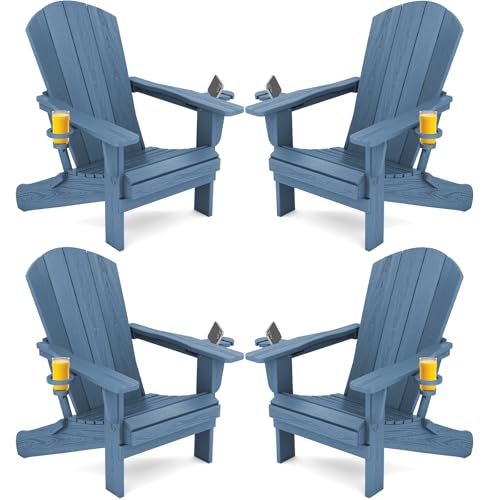
Resin Adirondack Chairs: The Complete Buying Guide
Everything you need to know about choosing weather-resistant resin Adirondack chairs — materials, comfort, durability, color options, and expert buying tips for your outdoor space.
Explore Recommended ChairsWhy resin Adirondack chairs deserve a place on your patio: Resin Adirondack chairs combine the iconic relaxed silhouette of the classic American outdoor chair with modern polymer construction. They resist moisture, UV rays, and seasonal wear far better than traditional wood, making them a practical long-term choice for homeowners who want comfort and low maintenance in equal measure. If you are researching this category before purchasing, this guide covers the materials, comfort factors, durability considerations, and styling options you need to make a confident decision.
What Are Resin Adirondack Chairs?
Resin Adirondack chairs are outdoor seating built from molded polymer materials — commonly high-density polyethylene (HDPE) or a polypropylene blend — shaped into the familiar deep-seat, wide-armrest, slanted-back Adirondack profile. Unlike wood, resin does not absorb water, which eliminates the rotting, warping, and cracking issues that plague untreated timber in wet or humid climates.
These chairs are often described as "poly" or "resin" interchangeably in the market, and many models are colored through the material itself rather than painted on the surface. That construction detail matters: a through-colored resin chair holds its finish far better than a surface-coated one. For a broader look at the material family, see our guide to resin outdoor chairs, which compares resin seating across multiple styles beyond the Adirondack silhouette.
The Adirondack form itself is designed for lounging rather than upright dining. The deep seat, sloping back, and wide flat arms — often wide enough to hold a drink — make these chairs ideal for fire pit circles, lawn seating, porch corners, and poolside relaxation zones. Resin construction brings that comfort into a product that can stay outside year-round with minimal care.
Material and Construction: What to Look For
Not all resin Adirondack chairs are built to the same standard. The material composition and construction details determine how the chair performs across seasons, how much it weighs, and how comfortable it feels over long sitting sessions. Here are the key factors to evaluate:
HDPE vs. Polypropylene
High-density polyethylene (HDPE) is the more durable resin type, resistant to UV fading and temperature extremes. Polypropylene blends are lighter and often found in entry-level models. HDPE chairs generally hold color and structure longer in full-sun exposure.
Through-Colored Material
Chairs with color integrated throughout the polymer resist scratching and fading better than surface-painted models. If a scratch occurs, the color remains consistent rather than revealing a different shade underneath.
Reinforced Frame Sections
Look for thicker material at stress points — armrests, back braces, and leg joints. Reinforced sections reduce flexing and extend the chair's usable life, especially for heavier users or windy locations.
UV-Stabilized Formula
UV stabilizers prevent the chalky, faded look that lower-grade plastics develop after a season or two in direct sun. UV-stabilized resin chairs maintain their color and surface integrity much longer.
Stainless Steel Hardware
Any screws, bolts, or connecting hardware should be stainless steel or coated to resist rust. Hardware is often the first failure point on outdoor furniture, so this detail is worth checking on any model you consider.
Weight and Portability
Resin Adirondack chairs range from lightweight stackable models to heavy-duty designs. Lighter chairs are easier to rearrange and store; heavier chairs feel more stable in wind and require less repositioning during storms.
Comfort and Ergonomics
The Adirondack shape is famously comfortable, but resin construction changes how that comfort feels in practice. Because resin is rigid, the seat angle, back recline, and armrest height become even more important — there is no wood flex to soften the seating position. Most quality resin Adirondack chairs replicate the classic dimensions closely, but slight variations in seat depth and back angle can make a noticeable difference for taller or shorter users.
Many resin models are designed to accept an outdoor cushion, which adds warmth and softness to the hard polymer surface. If you plan to use cushions, check that the chair's seat width accommodates standard Adirondack cushion sizes. Our guide to replacement outdoor lounge chair cushions explains how to match cushion dimensions to frame types and what to consider for long-term comfort and fabric durability.
A well-designed resin Adirondack chair should allow you to sit back with your shoulders supported and your arms resting naturally on the wide flat armrests. If the back feels too upright or the seat too shallow during a brief trial, it will likely feel worse over a long afternoon. Ergonomics matter more than most buyers expect in this category.
Durability and Weather Resistance
Weather resistance is the primary reason homeowners choose resin over wood for Adirondack chairs. Resin does not rot, does not require annual sealing or painting, and will not host termites or wood-boring insects. It handles rain, humidity, and salt air far better than untreated timber, which makes it a strong option for coastal properties and regions with wet seasons.
That said, weather resistance is not absolute. Prolonged exposure to intense UV can cause fading on lower-grade resins, and extreme temperature swings can make some polymer formulations brittle over time. UV-stabilized HDPE is the most reliable choice for full-sun installations. In freezing climates, chairs should ideally be stored or covered during the harshest months to prevent stress cracking at joints.
| Tier | Best For | Typical Characteristics |
|---|---|---|
| Entry-Level | Seasonal use, covered porches, first outdoor setup | Lighter polypropylene blends, basic UV protection, simpler hardware. Good for sheltered locations and occasional use. |
| Mid-Range | Year-round patio use, family seating, mixed climates | UV-stabilized HDPE, through-colored finish, stainless or coated hardware, reinforced stress points. A balanced choice for most homeowners. |
| Premium | Full-sun exposure, coastal properties, long-term investment | High-grade HDPE with advanced UV stabilization, commercial-grade hardware, heavier build, refined ergonomics. Built to hold appearance and structure for many seasons. |
For a wider perspective on how resin furniture performs in different outdoor environments, our overview of resin outdoor furniture covers care routines and climate considerations that apply across seating categories.
Style and Color Options
Resin Adirondack chairs are available in a wide color range, from classic white and coastal pastels to deep navy, forest green, and warm earth tones. Because resin is molded rather than painted, color consistency across a set is typically excellent — a practical advantage when you want matching chairs around a fire pit or along a porch.
Color choice should account for sun exposure and design context. Lighter colors reflect heat and stay cooler to the touch in direct sun, while darker tones absorb heat and can become uncomfortable on hot days. Neutral tones integrate easily with wood decking and stone patios; bold colors can serve as accent pieces in a more curated outdoor palette. If your patio leans toward a specific design direction, our patio styles section covers palettes and material pairings across modern, rustic, coastal, and minimalist themes.
Beyond color, resin Adirondack chairs vary in profile details: some feature traditional slatted backs, others have a more contemporary solid-panel look, and some include cup holders or rocker bases. These variations let you match the chair to the rest of your outdoor furniture rather than treating it as a standalone piece.
Buying Checklist: What to Verify Before You Purchase
Before finalizing any resin Adirondack chair purchase, run through this practical checklist. It covers the details that separate a chair you will enjoy for years from one that disappoints after a single season.
- Confirm the resin type — HDPE is preferable to basic polypropylene for long-term outdoor exposure.
- Check whether the color is through-colored or surface-applied; through-colored resists scratches better.
- Verify UV stabilization claims, especially if the chair will sit in direct sun year-round.
- Inspect hardware material — stainless steel or rust-resistant coating is essential.
- Confirm seat dimensions and weight capacity suit your household and intended users.
- Consider stackability or foldability if you plan to store chairs seasonally.
- Check whether the chair is designed to accept standard Adirondack cushions if you want added softness.
- Review assembly requirements — some models ship fully assembled, others require basic tools and time.
- Confirm warranty coverage on frame and finish, and read the care instructions before purchase.
Care and Maintenance
One of the strongest arguments for resin Adirondack chairs is how little maintenance they require. Routine care typically involves rinsing with a garden hose and wiping with mild soap and water. Avoid abrasive cleaners, solvents, or stiff brushes that can dull the surface finish. For stubborn marks, a soft cloth with diluted dish soap is usually sufficient.
During extended off-seasons or severe weather, storing chairs in a shed or covering them with breathable outdoor furniture covers will extend their appearance and structural life. Covers should allow airflow to prevent condensation buildup. If you are evaluating storage and protection options, our outdoor care section covers furniture covers, cleaning products, and seasonal maintenance schedules.
Cushions used on resin Adirondack chairs should be brought inside or stored in a dry container during heavy rain to prevent mildew. For cushion cleaning and fabric care guidance, see our article on replacement outdoor cushions, which covers fabric types and cleaning methods relevant to outdoor seating.