Resin Wicker Outdoor Sectional: The Complete Buying Guide
Everything you need to know before choosing an all-weather wicker sectional for your patio — from weave quality and frame construction to cushion care and layout planning.
Start the GuideWhat Is a Resin Wicker Outdoor Sectional?
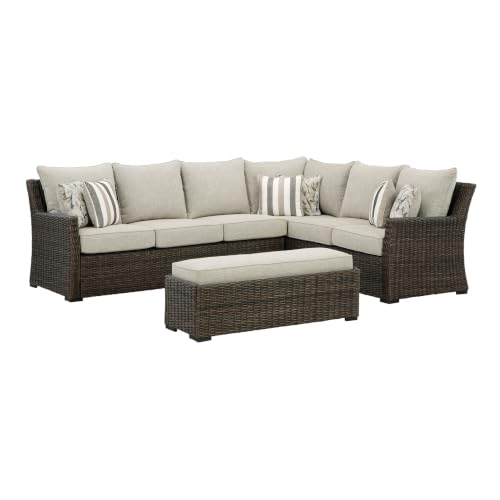
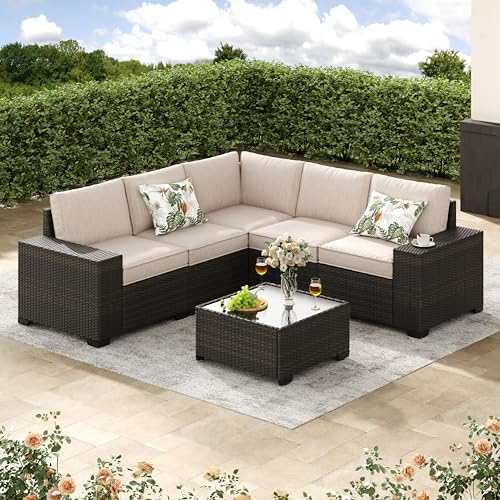
A resin wicker outdoor sectional is a modular seating system made from synthetic resin strands woven over a metal frame. Unlike natural rattan or wicker, resin wicker is engineered for outdoor use — it resists moisture, resists fading, and does not crack or rot the way organic fibers can. The sectional format typically combines a corner piece, armless chairs, and ottomans that can be arranged into an L-shape, U-shape, or a straight sofa depending on your space.
Because the weave is synthetic, resin wicker can mimic the look of traditional rattan, flat wicker, or even tight basket weave while offering far greater durability in sun, rain, and humidity. This makes it a popular choice for homeowners who want the warm, textured look of wicker without the maintenance demands of natural materials. Many buyers pair a resin wicker sectional with a matching coffee table, and some upgrade the table surface with a replacement glass table top for patio furniture if the original surface needs refreshing.
If you are still exploring the broader category, our guide to resin wicker patio furniture covers how this material fits into full outdoor living sets, while this page focuses specifically on the sectional configuration.
Why Choose a Resin Wicker Sectional?
Homeowners searching for outdoor seating that blends comfort, style, and weather tolerance often land on resin wicker for several practical reasons:
- All-weather performance: Resin strands resist rain, humidity, and UV exposure far better than natural wicker, so the weave stays intact through changing seasons.
- Comfortable deep seating: Sectionals typically offer deep seats and thick cushions, making them ideal for lounging rather than upright dining.
- Modular flexibility: Individual pieces can be rearranged to fit an L-shaped corner, a long straight run, or a compact U-shape.
- Visual warmth: The woven texture softens hardscapes such as concrete, stone, and composite decking, adding a natural feel without organic-material upkeep.
- Lightweight frame options: Many sectionals use aluminum frames, which are lighter and easier to reposition than cast metal or solid wood.
If your priority is a classic single-seat look rather than a modular sofa, our overview of resin outdoor chairs may be a better starting point. But for family seating, poolside lounging, or a conversational fire-pit arrangement, a sectional usually delivers more usable seating per square foot.
Key Buying Factors Before You Decide
Before comparing specific models, evaluate your space and habits against the following criteria. These factors will narrow the field quickly and prevent an oversized or undersized purchase.
1. Measure Your Space Accurately
Sectionals are larger than they appear in product photos. Measure the available footprint, then account for walking clearance — ideally at least 24 to 36 inches between the sectional and walls, railings, or other furniture. For a compact balcony or small patio, consider a three-piece configuration rather than a full U-shape.
2. Decide on a Configuration
Common resin wicker sectional layouts include:
- L-shaped corner sectional: Best for patios with one usable corner and open space on two sides.
- U-shaped sectional: Ideal for larger covered terraces and conversation-focused fire-pit layouts.
- Straight modular run: Fits long narrow decks and can be split into separate seating groups.
- Sectional with ottoman: Adds a chaise-style lounge position without committing to a fixed chaise.
3. Confirm the Frame Material
Aluminum frames are the standard for quality resin wicker sectionals because they resist rust and remain lightweight. Steel frames can be durable but are heavier and require a rust-proof finish. Powder-coated finishes are strongly preferred over painted finishes for long-term durability.
4. Evaluate the Cushion Specs
Cushions are often the first component to wear out. Look for quick-dry foam, water-repellent covers, and removable, washable fabric. If your cushions are aging, replacement options such as replacement outdoor cushions for sectional furniture can extend the life of the frame considerably.
5. Check UV and Weather Ratings
UV-stabilized resin is the single most important spec for fade resistance. If the product listing does not mention UV stabilization, treat that as a warning sign — especially for sunny, exposed patios.
Frame Construction: The Hidden Foundation
The frame beneath the weave determines structural integrity, weight, and rust resistance. Three frame types dominate the market:
- Powder-coated aluminum: The top choice for most resin wicker sectionals. Lightweight, rust-resistant, and holds its shape well. Common in mid-range through luxury tiers.
- Powder-coated steel: Heavier and very stable, but any chip in the coating can invite rust. Often found in entry-level and some mid-tier models.
- Untreated or lightly coated metal: Best avoided for exposed outdoor use. These frames tend to corrode quickly in humid or coastal environments.
Welded joints and reinforced corner brackets are signs of solid build quality. A sectional that flexes or creaks when you sit on the corner piece is likely under-braced. If you are comparing a resin wicker sectional against other all-weather options, our guide to resin outdoor furniture explains how frame construction varies across the category.
Also check the weight rating per seat and whether the frame is fully welded or bolted. Fully welded aluminum frames generally offer the best balance of rigidity and longevity.
Weave Quality and UV Resistance
The weave is the visible face of the sectional, but it is also a performance feature. High-grade resin wicker is extruded with UV inhibitors blended into the material, not just applied as a surface coating. That distinction matters: surface-coated strands fade and become brittle, while UV-stabilized strands retain color and flexibility for years.
What to Look For in the Weave
- Tight, even strand spacing: Gaps that are too wide expose the frame and collect debris.
- Consistent color throughout the strand: If the core is a different color, the piece may be surface-dyed rather than fully colored.
- Flexible strands: Resin should bend slightly under pressure without cracking. Brittle strands are a sign of low-grade material.
- Protected feet and base: Look for capped feet or a protective base strip that keeps moisture from wicking into the weave.
White and light-colored weaves are especially prone to visible fading, so UV stabilization is critical if you are considering a resin wicker white wicker patio furniture set. Darker browns and grays tend to hide fading better, but they still benefit from the same UV specification.
Cushions and Comfort: Where Sectionals Win or Lose
A sectional is only as comfortable as its cushions. Resin wicker frames are rigid by design, so the cushion system carries the entire comfort burden. Prioritize the following:
- Quick-dry foam: Open-cell foam allows water to pass through and air to circulate, reducing mildew risk after rain.
- Water-repellent fabric covers: Solution-dyed acrylic and similar outdoor fabrics resist fading and staining.
- Removable, washable covers: Zippered covers make seasonal cleaning far easier.
- Adequate thickness: Seat cushions in the 4- to 6-inch range generally balance comfort and support for lounging.
- Non-slip backing or ties: Prevents cushions from sliding on the wicker weave.
Cushion replacement is one of the most common upkeep tasks for sectional owners. If your covers are worn but the foam is still sound, replacement seat covers for outdoor furniture can refresh the look. For full cushion swaps, replacement waterproof cushions for outdoor furniture are worth considering. And if you later add a lounge chair to match the sectional, replacement outdoor lounge chair cushions can keep the look consistent across the seating group.
For day-to-day care, store cushions in a resin deck box during wet weather. This single habit dramatically extends cushion life and keeps the sectional ready to use.
Layout and Configuration Planning
The right configuration depends on how you plan to use the space. Use this simple decision framework:
Match the Layout to the Activity
- Conversation and entertaining: A U-shaped or L-shaped sectional arranged around a coffee table or fire pit encourages face-to-face interaction.
- Lounging and reading: An L-shape with an ottoman or a chaise extension creates a comfortable recline zone.
- Poolside or open deck: A straight modular run with movable ottomans offers flexibility and easier circulation.
- Compact balcony: A three-piece corner sectional or a two-seat plus corner setup keeps the footprint manageable.
Anchor the Seating Group
Sectionals look best when anchored by a coffee table or fire pit. The table surface should sit roughly 14 to 18 inches from the front edge of the seating for comfortable reach. If your table surface needs replacement, options range from a replacement glass for outdoor coffee table to a full replacement glass for rectangle patio table, depending on the table shape.
If you plan to add a dining element nearby, a round outdoor dining table set for 4 pairs well with a sectional without crowding the layout. Just keep clear walking paths between the two zones.
Quality Tiers Compared
Resin wicker sectionals fall into recognizable quality tiers. The table below uses relative tier descriptors rather than numeric figures, so it remains useful regardless of market fluctuations.
| Tier | Typical Frame | Weave Quality | Cushion System | Best For |
|---|---|---|---|---|
| Entry-level | Powder-coated steel or thin aluminum | Standard resin, limited UV stabilization | Basic foam, removable covers on select pieces | Seasonal use, covered porches, starter patios |
| Mid-range | Powder-coated aluminum with reinforced corners | UV-stabilized resin, tighter weave | Quick-dry foam, water-repellent fabric | Year-round use in moderate climates, family patios |
| Premium | Fully welded aluminum, protective base caps | High-grade HDPE wicker, consistent color core | High-resilience quick-dry foam, solution-dyed covers | Exposed patios, sunny climates, long-term ownership |
| Luxury | Commercial-grade aluminum, precision welding | Premium UV-stabilized weave with multi-year fade resistance | Custom cushions, replaceable covers, tailored fit | Design-led outdoor rooms, coastal and high-sun settings |
As a general rule, moving from entry-level to mid-range buys noticeably better weave consistency and cushion longevity. Moving from mid-range to premium buys frame rigidity, UV performance, and long-term serviceability. Luxury tiers add design refinement and customization rather than dramatic functional leaps.
Care and Maintenance for Long-Term Performance
Resin wicker sectionals are low-maintenance, but "low" is not "none." A simple routine keeps the weave tight, the frame rust-free, and the cushions fresh.
Routine Care Checklist
- Rinse the frame and weave with a garden hose every few weeks during pollen season.
- Wipe the weave with a soft brush and mild soapy water; avoid abrasive cleaners and pressure washers.
- Shake out and air-dry cushions after rain; store them in a dry box during extended wet periods.
- Inspect the frame for chips or scratches and touch up powder coating promptly to prevent rust.
- Use a fitted cover during winter or long periods of disuse.
If the weave develops a small loose strand, trim it carefully rather than pulling it — pulling can unravel a longer section. For frame touch-ups, use a matching enamel or powder-coat repair product. For glass-topped side tables or coffee tables that accompany the sectional, a replacement tempered glass for patio table is a straightforward way to restore the surface if the original glass chips or scratches.
For additional protection during storage season, a resin Adirondack chairs care routine follows similar principles — rinse, dry, cover — and the same habits apply to wicker.
Ready to Compare Resin Wicker Sectionals?
Use the curated product list below to explore current options, then match each listing against the frame, weave, and cushion criteria covered in this guide.
Explore Recommended Sectionals