Rocker Glider Chairs: The Complete Buying Guide
Everything you need to know about choosing the perfect rocker glider chair for your patio, porch, or deck. Compare motion types, materials, comfort features, and find your ideal outdoor relaxation seat.
Explore the GuideWhy rocker glider chairs? They combine the soothing back-and-forth motion of a traditional rocker with the smooth, linear glide of a glider chair. This dual-motion design delivers a uniquely relaxing experience that's perfect for unwinding after a long day, reading a book, or simply enjoying your outdoor space. This guide will help you understand the key differences, evaluate materials, and choose the right model for your needs.
What Exactly Is a Rocker Glider Chair?
A rocker glider chair is a hybrid seating design that integrates two distinct motion mechanisms into a single piece of furniture. The rocking component uses curved runners or an arc-based base to create a gentle back-and-forth sway, while the gliding component uses a fixed track or suspension system to produce a smooth forward-and-back horizontal movement.
When combined, these two motions create a fluid, multi-directional experience that many users find more soothing than either motion alone. The result is a chair that responds to subtle shifts in body weight, making it ideal for relaxation, nursing, reading, and conversation. Outdoor versions are built with weather-resistant materials to withstand sun, rain, and temperature fluctuations.
Dual Motion
Combines the classic rocker sway with a smooth horizontal glide for a uniquely relaxing experience.
Self-Soothing
The gentle, rhythmic motion is naturally calming and ideal for reading, resting, or lulling children.
Space Efficient
Most glider mechanisms require less clearance than traditional rockers, making them suitable for smaller porches.
Outdoor Ready
Weather-resistant frames and UV-treated fabrics ensure durability in patios, decks, and sunrooms.
Rocker vs. Glider vs. Rocker Glider: Key Differences
Understanding the distinction between these three motion types is the first step toward choosing the right chair. Each has a unique feel and set of practical considerations.
| Feature | Traditional Rocker | Glider | Rocker Glider |
|---|---|---|---|
| Motion Type | Arc-based back-and-forth sway | Horizontal forward-and-back glide on a track | Combined sway and glide |
| Clearance Needed | Moderate to high (arc footprint) | Low (fixed base) | Low to moderate |
| Feel | Classic, rhythmic rocking | Smooth, linear gliding | Fluid, multi-directional relaxation |
| Best For | Traditional porches and classic decor | Nurseries, sunrooms, tight spaces | Versatile outdoor relaxation |
| Stability | Good on level surfaces | Excellent (fixed base) | Very good to excellent |
| Typical Tier | Entry-level to premium | Mid-range to luxury | Mid-range to luxury |
If you're specifically interested in traditional wooden rockers, you may also want to explore our guide to wooden rocker chairs or our broader rocking chairs collection. For portable options, see portable rocking chairs and rocker camping chairs.
Types of Rocker Glider Chairs
Rocker gliders come in several configurations, each suited to different settings and user preferences. Understanding these categories will help you narrow down your options.
1. Single-Seat Rocker Gliders
The most common configuration, designed for one person. These are ideal for porches, balconies, and patio corners where space is limited. Many models feature a high back, padded armrests, and a smooth gliding mechanism that can be locked in place when not in use.
2. Rocker Glider with Ottoman
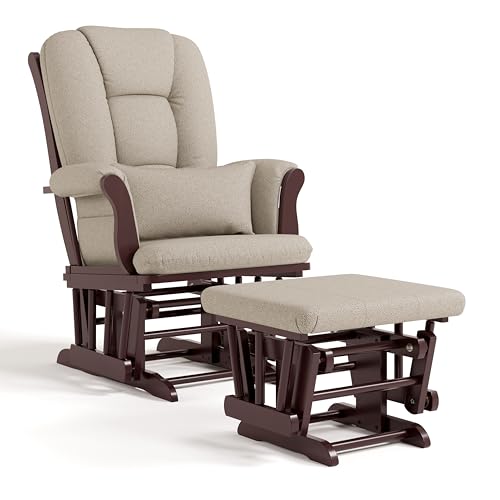
Pairing a rocker glider with a matching ottoman extends the relaxation experience by providing leg support and encouraging a deeper recline. These sets are particularly popular for reading nooks and sunrooms. See our dedicated guide to the rocker glider with ottoman for a deeper comparison.
3. Two-Seat and Loveseat Gliders
Designed for couples or shared seating, two-seat gliders offer the same dual-motion experience in a wider frame. They're ideal for patios, decks, and garden seating areas where social relaxation is a priority.
4. Swivel Rocker Gliders
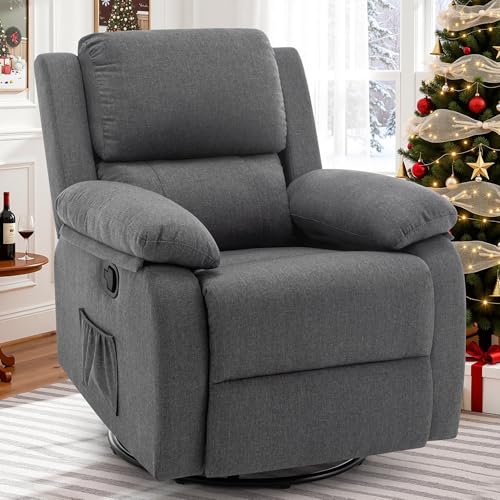
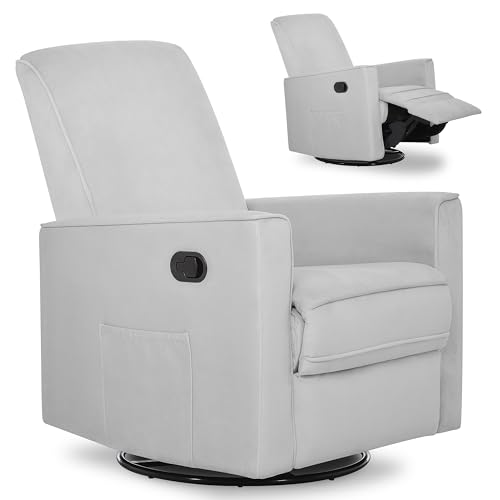
Adding a swivel base allows the chair to rotate 360 degrees in addition to rocking and gliding. This is particularly useful for open patios where you want to change your view without moving the chair.
5. Reclining Rocker Gliders
Reclining models combine the glider motion with an adjustable backrest, allowing users to shift from an upright seated position to a relaxed recline. These are often the highest-tier option in the category and are best suited to covered patios or sunrooms.
Materials: What to Look For
The material of your rocker glider chair directly affects its durability, comfort, maintenance requirements, and overall aesthetic. Outdoor models must withstand sun exposure, moisture, and temperature swings, so material selection is critical.
| Material | Durability | Maintenance | Best For | Typical Tier |
|---|---|---|---|---|
| Powder-Coated Steel | High | Low (occasional touch-up) | High-traffic patios, windy areas | Mid-range to premium |
| Aluminum | High (rust-proof) | Very low | Coastal and humid climates | Premium to luxury |
| Treated Wood | Moderate to high | Moderate (annual sealing) | Traditional and rustic settings | Entry-level to premium |
| Resin Wicker | Moderate to high | Low | Style-focused outdoor spaces | Mid-range to luxury |
| Teak | Very high | Low (natural weathering) | Premium outdoor environments | Luxury tier |
For resin-based options, our guides to resin outdoor chairs and resin wicker patio furniture provide additional context on durability and care. If you're considering metal construction, replacement seats for metal outdoor chairs may be useful for long-term maintenance.
Understanding the Motion Mechanism
The quality of the gliding mechanism is the single most important factor in the long-term comfort and reliability of a rocker glider chair. Entry-level models often use simple friction-based tracks, while mid-range and premium models feature ball-bearing glides, sealed suspension systems, or precision-machined tracks that deliver a smoother, quieter motion.
Bearing and Track Systems
High-quality gliders use sealed ball bearings or nylon rollers on a reinforced track. These systems provide consistent motion over thousands of cycles and are less prone to wobbling or squeaking. Look for stainless steel or sealed bearing assemblies for outdoor use, as these resist moisture and debris.
Locking Mechanisms
Many gliders include a lock-out feature that secures the chair in a fixed position, which is useful when the chair is used for dining or when children are present. Locking mechanisms range from simple friction locks to lever-actuated systems.
Weight Distribution
The base of the glider should distribute weight evenly across a wide footprint. A well-designed base reduces the risk of tipping and ensures smooth motion on slightly uneven surfaces. Heavy-duty bases are especially important for larger users or high-traffic households.
Noise and Vibration
Premium gliders are engineered to be whisper-quiet. If noise is a concern—particularly for indoor-outdoor use or shared living spaces—prioritize models with sealed bearings, rubberized track stops, and reinforced frame joints.
Comfort Features That Matter
Beyond the motion mechanism, several design elements contribute to the overall comfort of a rocker glider chair. Evaluate these features against your intended use and personal preferences.
Seat Depth and Height
A seat depth of 20–24 inches suits most adults. Deeper seats accommodate taller users, while a seat height of 17–19 inches makes getting in and out easier.
Backrest Angle
A slight recline (100–110 degrees) is most comfortable for extended sitting. Reclining models offer adjustable angles for reading or napping.
Armrest Design
Padded or contoured armrests reduce shoulder strain. Some models include cup holders or side pockets for added convenience.
Cushion Quality
High-density foam retains shape over time. Quick-dry and UV-resistant fabrics are essential for outdoor use.
Weight Capacity
Standard models support 250–300 pounds; heavy-duty and commercial-grade models support 350–400+ pounds.
Portability
Lightweight frames (under 30 pounds) are easier to reposition. Some models fold for seasonal storage.
If you plan to replace or upgrade cushions, our guide to replacement outdoor lounge chair cushions and waterproof cushions for outdoor furniture can help you find compatible options.
Sizing and Placement Considerations
Before purchasing, measure your intended space carefully. A rocker glider requires clearance for its motion, plus room to get in and out comfortably.
- Clearance: Allow at least 12–18 inches behind the chair for the gliding motion and 24 inches in front for legroom.
- Surface: Place on a level, stable surface. Concrete, composite decking, and stone patios are ideal. Gravel and soft turf may require a stabilizing mat.
- Sun Exposure: Consider UV-resistant materials if the chair will be in direct sunlight for extended periods.
- Wind: Heavy frames (steel or teak) are more stable in windy locations. Lightweight aluminum models may need to be secured or stored during high winds.
- Storage: If you live in a region with harsh winters, choose a model that folds or can be covered with a protective patio furniture cover.
For related sizing guidance, see our round lounger chair overview and the rocking lawn chair guide, both of which cover clearance and placement in different outdoor contexts.
How to Choose the Right Rocker Glider Chair
Use this step-by-step framework to narrow your options and make a confident decision.
Step 1: Define Your Primary Use
Will the chair be used for solitary relaxation, reading, nursing, social seating, or dining? Each use case favors different features. For reading and napping, prioritize recline and cushion quality. For social seating, consider two-seat models or swivel bases.
Step 2: Assess Your Climate
Coastal and humid climates favor aluminum and resin wicker. Dry, sunny climates suit powder-coated steel and treated wood. Cold climates benefit from heavy frames and storage-friendly designs.
Step 3: Measure Your Space
Confirm clearance for motion, legroom, and access. If space is tight, consider a glider with a compact track or a model that locks in place.
Step 4: Set Your Tier
Entry-level models offer basic motion and materials. Mid-range models improve mechanism smoothness and cushion quality. Premium and luxury tiers add precision bearings, premium fabrics, and refined aesthetics. Choose the tier that aligns with your expected frequency of use and longevity requirements.
Step 5: Evaluate the Mechanism
Test the glide if possible. Look for smooth, quiet motion with no wobble. Sealed bearings and reinforced tracks are hallmarks of higher-tier construction.
Step 6: Check Maintenance Requirements
Wood requires annual sealing; metal requires occasional touch-up; resin wicker needs only occasional cleaning. Choose a material that matches your willingness to maintain.
Step 7: Confirm Warranty and Support
A solid warranty (typically 1–5 years for residential use) indicates manufacturer confidence. Check the availability of replacement parts, especially for cushions and glider components.
Caring for Your Rocker Glider Chair
Proper maintenance extends the life of your chair and preserves its motion quality. Follow these practices for each material type.
- Metal frames: Wipe with mild soap and water monthly. Touch up scratches with matching paint to prevent corrosion. Lubricate moving parts annually with a silicone-based lubricant.
- Wood frames: Clean with a damp cloth. Apply a weather sealant annually, especially before winter. Sand and re-oil teak as needed to maintain its finish.
- Resin wicker: Rinse with a garden hose and mild detergent. Avoid abrasive brushes. Check for loose strands and trim as needed.
- Cushions: Remove and store during off-season or harsh weather. Spot-clean with a mild detergent and allow to air dry fully before replacing.
- Glider mechanism: Keep tracks free of debris. Lubricate bearings annually. Inspect for wear and replace worn components promptly.
For related care topics, see our guides to replacement seats for wrought iron patio chairs and replacement sling for patio chaise lounges, which cover similar maintenance principles.
Top Rocker Glider Chairs by Tier
Below is a tier-based overview of what to expect at each level of the market. Use this as a starting point for your research.
| Tier | Typical Features | Motion Quality | Best For |
|---|---|---|---|
| Entry-Level | Basic steel or wood frame, standard cushions, friction glide | Functional, may develop noise over time | Occasional use, seasonal porches |
| Mid-Range | Powder-coated steel or resin wicker, upgraded cushions, sealed bearings | Smooth and quiet, good durability | Regular use, family patios |
| Premium | Aluminum or teak frame, high-density foam, precision glider track | Very smooth, whisper-quiet, long-lasting | Frequent use, exposed patios |
| Luxury | Premium materials, custom fabrics, swivel/recline options, extended warranty | Exceptional, commercial-grade components | Year-round use, high-end outdoor spaces |
For related product categories, explore our wooden rocker chairs, rocking chairs, and rocking egg chairs guides.
Frequently Asked Questions
What is the difference between a rocker and a glider chair?
A rocker moves back and forth on curved runners, while a glider moves horizontally on a fixed track. A rocker glider combines both motions for a unique, fluid relaxation experience.
Are rocker glider chairs suitable for outdoor use?
Yes. Many models are specifically designed for outdoor use with weather-resistant frames, UV-treated fabrics, and rust-proof finishes. Check the manufacturer's outdoor rating before purchasing.
How much weight can a rocker glider chair support?
Entry-level models typically support around 250 pounds. Mid-range and premium models often support 300–350 pounds. Heavy-duty and commercial-grade gliders can support 400 pounds or more.
Do rocker glider chairs require assembly?
Most require some assembly, typically 30–60 minutes. Many models include all necessary hardware and clear instructions. Some higher-tier models come partially pre-assembled.
How do I maintain and clean my rocker glider chair?
Clean metal frames with mild soap and water; apply touch-up paint to scratches. Wood requires annual sealing. Resin wicker can be rinsed with a hose. Lubricate moving parts annually and store cushions during harsh weather.
Can I use a rocker glider chair indoors?
Yes, many rocker gliders are versatile enough for indoor use in nurseries, living rooms, and sunrooms. However, outdoor-specific models may have materials that are overbuilt for indoor aesthetics. Choose based on your primary placement.
Ready to find your perfect rocker glider chair? Browse our curated selection of top-rated outdoor rocker gliders, compare features, and read verified customer reviews.
View Recommended Models