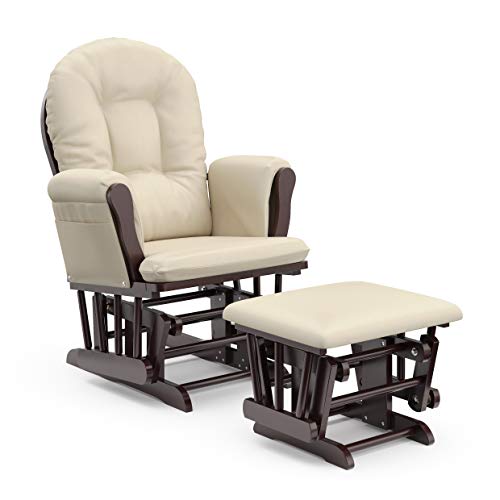
Rocker Glider with Ottoman: Your Ultimate Comfort Companion
Everything you need to know before choosing a rocker glider with ottoman for your patio, porch, or sunroom — comfort, materials, motion, and design explained.
Start Your ResearchWhy a rocker glider with ottoman? Few outdoor seating pieces combine relaxation and functionality as well as a rocker glider with ottoman. The gentle gliding motion soothes, the rocking arc adds a nostalgic touch, and the matching ottoman transforms the chair into a full lounging station. Whether you are outfitting a quiet reading corner or a family-friendly patio, this guide walks you through the key decisions so you can choose with confidence.
What Is a Rocker Glider with Ottoman?
A rocker glider with ottoman is a hybrid seating piece that blends two classic motions: the smooth, horizontal glide of a glider and the comforting back-and-forth arc of a rocker. The included ottoman typically matches the chair in style and material, providing a footrest that completes the experience. These chairs are popular on porches, patios, decks, and sunrooms because they offer a gentle, soothing motion without the tipping risk sometimes associated with traditional rocking chairs.
The combination is especially appealing for people who spend long stretches outdoors — reading, sipping coffee, or simply unwinding. The ottoman adds ergonomic support for the legs and makes the chair feel more like a lounge seat than a simple perch.
Key Features to Evaluate Before You Decide
Understanding the core components helps you compare models fairly and avoid surprises after delivery. Below are the features that matter most.
1. Motion Mechanism
The gliding mechanism is the heart of the chair. High-quality models use sealed ball bearings or smooth nylon bushings that deliver a quiet, even glide. Entry-level models may use simpler friction-based tracks that can become noisy over time. A well-engineered rocker glider with ottoman should move smoothly without wobbling or catching.
2. Frame Material and Build
Outdoor frames are typically made from powder-coated steel, aluminum, or solid wood. Aluminum resists rust and stays lightweight, making it a strong choice for humid climates. Powder-coated steel offers a solid build and is common in mid-range and premium models. Wood frames, such as teak or acacia, bring warmth and a classic look but require more maintenance. Heavy-duty construction with reinforced joints is a hallmark of top-tier pieces.
3. Fabric and Cushioning
Outdoor cushions should use solution-dyed acrylic or olefin fabrics that resist fading, mildew, and moisture. Quick-dry foam is preferable because it prevents waterlogging after rain. If you plan to leave the chair outside year-round, look for cushions with removable, washable covers. For replacement options, browse our guide to replacement outdoor lounge chair cushions.
4. Ottoman Design
The ottoman should match the chair's height and style. Some ottomans are stationary, while others glide or rock in sync with the chair. A synchronized ottoman creates a seamless motion that feels more natural. Check whether the ottoman has a non-slip base or locking mechanism to keep it in place.
5. Weight Capacity and Dimensions
Always check the manufacturer's weight capacity and seat dimensions. A roomy seat with a high back provides better support for taller users. Measure your patio or porch space in advance — a rocker glider with ottoman needs clearance for the gliding motion, typically 12–18 inches behind the chair.
Market Tiers: Finding Your Fit
Outdoor furniture is often grouped into broad quality tiers. Understanding these tiers helps you set realistic expectations without focusing on numbers.
Entry-Level Tier
Basic gliding mechanism, lighter frames, and standard polyester cushions. A solid starting point for occasional use and covered porches.
Mid-Range Tier
Smoothed gliding action, powder-coated steel or aluminum frames, and solution-dyed fabrics. Well-specified for regular outdoor use.
Premium Tier
Sealed bearing mechanisms, heavy-duty frames, quick-dry foam, and refined stitching. A long-term investment for daily relaxation.
Mid-range models usually offer a noticeably smoother glide than entry-level versions, while premium tiers add durability and finish quality that hold up through years of exposure. If you plan to use the chair daily, the premium tier is the most efficient choice over the long run.
Styles and Placement Ideas
A rocker glider with ottoman works in several outdoor settings. On a covered porch, it becomes a morning coffee spot. On a patio, pair it with a side table and an outdoor rug for a cozy reading nook. In a sunroom, it bridges indoor comfort and outdoor views.
For a cohesive look, match the chair's frame finish to other metal pieces on your patio. If you prefer a classic feel, consider a wood-framed wood rocker chair and coordinate it with natural-toned cushions. For a more modern vibe, a rocker glider chair with a sleek aluminum frame and neutral fabric works well in contemporary settings.
If space is tight, a rocking chair without an ottoman may fit more easily, but the ottoman version remains the better choice for extended lounging.
Care and Maintenance Tips
Keeping your rocker glider with ottoman in good shape is straightforward when you follow a simple routine.
- Clean the frame regularly: Wipe metal frames with a damp cloth and mild soap. Avoid abrasive cleaners that can scratch powder coatings.
- Brush off debris: Dirt and pollen can accumulate in the gliding tracks. A soft brush or vacuum with a brush attachment keeps the mechanism smooth.
- Store cushions when not in use: Even weather-resistant fabrics last longer when kept dry. Use a storage box or bring cushions indoors during heavy rain.
- Check hardware seasonally: Tighten bolts and inspect joints at the start of each season to maintain stability.
- Use a cover during off-season: A fitted cover protects the chair and ottoman from leaves, dust, and prolonged moisture.
If your cushions begin to show wear, our guide to replacement seat covers for outdoor furniture can help you refresh the look without replacing the entire chair.
Frequently Asked Questions
Is a rocker glider with ottoman suitable for year-round outdoor use?
It depends on the materials. Aluminum frames with solution-dyed cushions handle year-round exposure well in mild climates. In regions with heavy snow or freezing temperatures, bringing cushions indoors and covering the frame extends its lifespan significantly.
What is the difference between a glider and a rocker?
A glider moves horizontally along a track, creating a smooth, even motion. A rocker pivots on curved runners, producing a back-and-forth arc. A rocker glider combines elements of both, and the ottoman adds a footrest for full-body relaxation.
How much space do I need for the gliding motion?
Plan for at least 12–18 inches of clearance behind the chair so the gliding mechanism can move freely. The ottoman extends forward, so account for that footprint as well.
Can I replace the cushions on a rocker glider with ottoman?
Yes, most models use standard cushion sizes. Look for replacement cushions with matching dimensions and quick-dry foam for outdoor use. Our guide to replacement waterproof cushions for outdoor furniture offers helpful pointers.
What weight capacity should I look for?
Most quality rocker gliders support at least 250–300 pounds, with premium models rated higher. Always check the manufacturer's stated capacity and choose a model that comfortably exceeds the intended user's weight.
Final Thoughts
A rocker glider with ottoman is more than a piece of furniture — it is an invitation to slow down. By evaluating the gliding mechanism, frame material, cushion quality, and ottoman design, you can choose a model that delivers comfort for years. Whether you lean toward an entry-level tier for a covered porch or a premium tier for daily use, the right chair transforms your outdoor space into a genuine retreat.
Quick Decision Checklist:
- Measure your space and clearance for gliding motion.
- Choose a frame material suited to your climate.
- Confirm cushion fabric is fade- and moisture-resistant.
- Check weight capacity and seat dimensions.
- Decide whether a synchronized or stationary ottoman suits you better.