Rocking Lawn Chair Buying Guide: Comfort Meets Outdoor Style
Everything you need to know before choosing a rocking lawn chair — from frame materials and fabric durability to portability and the right tier for your patio, deck, or campsite.
Start the GuideWhy a rocking lawn chair? The gentle back-and-forth motion of a rocking lawn chair turns any patch of grass, deck, or campsite into a place to unwind. Unlike a standard folding chair, a rocking lawn chair adds motion, comfort, and a relaxed rhythm that suits reading, conversation, or simply watching the sunset. This guide walks you through the features that matter most so you can choose with confidence.
What Exactly Is a Rocking Lawn Chair?
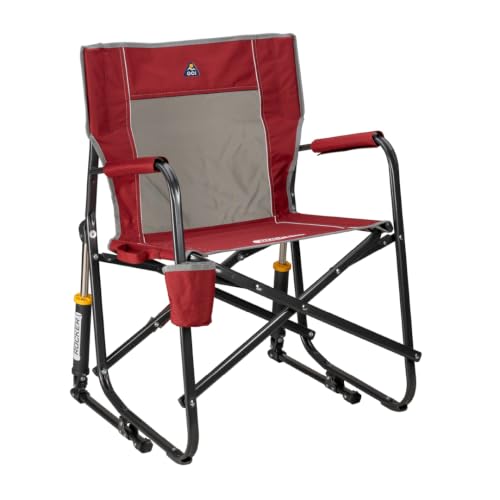
A rocking lawn chair is a portable outdoor seat built with curved rocker rails or a spring-based rocking mechanism at the base. The design lets the chair glide gently forward and backward without tipping over. Most models fold flat for transport, making them a favorite for camping, tailgating, RV travel, and backyard lounging.
Compared with traditional rocking chairs, lawn versions prioritize light weight and weather resistance over heavy timber frames. They are typically made with powder-coated steel or aluminum tubing and a durable synthetic fabric seat. The result is a chair that is easy to carry, simple to store, and comfortable enough to sit in for hours.
If you also enjoy classic garden seating, it helps to compare a rocking lawn chair with a fixed-frame wooden rocking chair. The wooden version offers a traditional look and a solid feel, while the lawn chair version wins on portability and outdoor resilience.
Types of Rocking Lawn Chairs
Not all rocking lawn chairs are built the same. The category splits into a few distinct styles, each suited to a different setting and user.
Folding Rocking Lawn Chairs
The most common style. A folding frame with built-in rocker rails collapses into a compact bundle for storage in a closet, car trunk, or camper. Look for a locking mechanism that keeps the chair open while in use and a carry handle or strap for easy transport.
Camping and Portable Rockers
These chairs are engineered around light weight and packability. Many rocker camping chairs use aluminum frames and fold into a carry bag. They are ideal for campsites, festivals, and beach trips where you need to walk your gear in.
Patio and Deck Rockers
Designed to live outdoors permanently, these chairs use heavier frames and more robust fabrics. They may not fold, but they offer a sturdier feel and a more polished look for a porch or rocking lawn chair setup that stays in place all season.
Glider Rockers
A glider uses a horizontal sliding mechanism instead of curved rails. The motion is smoother and quieter, which makes rocker glider chairs a good pick for covered porches and homes with shared walls.
Key Features to Evaluate Before Buying
When you are researching a rocking lawn chair, focus on the features that affect comfort, safety, and longevity. These are the areas where product tiers differ most noticeably.
Frame Material and Build Quality
Steel frames are strong and stable but heavier. Aluminum frames are lighter and resist rust, which makes them a strong choice for humid climates and coastal areas. Powder-coated finishes protect against corrosion and scratches. Entry-level chairs often use thinner tubing, while mid-range and premium models use reinforced joints and thicker-gauge metal.
Fabric and Seat Durability
The seat fabric takes the most wear. Look for tightly woven synthetic fabrics such as polyester or nylon blends with UV treatment. Breathable mesh panels help in hot weather. If the fabric on an older chair has worn out, replacement options exist for many styles — for example, replacement mesh for outdoor lounge chairs and replacement seat fabric for outdoor furniture can extend the life of a favorite chair.
Weight Capacity and Stability
Check the stated weight capacity and the width of the rocker base. A wider base reduces the chance of tipping on uneven ground. Anti-tip bars at the rear are a useful safety feature, especially on sloped lawns.
Portability and Storage
If the chair will travel, weigh the trade-off between a lighter frame and a sturdier feel. A chair that folds into a carry bag is convenient, but a slightly heavier model may be more comfortable for long sitting sessions. Consider whether you need a locking mechanism, a cup holder, or a side pocket.
Comfort Details
Armrests, a padded headrest, and a seat height that lets your feet rest flat on the ground all matter. Some models include a built-in lumbar curve or padded arm pads. A rocking motion feels best when the seat depth matches your leg length, so measure your space and consider the chair's open dimensions.
Product Tiers at a Glance
Rocking lawn chairs fall into a few broad market tiers. The table below uses universal quality descriptors rather than numeric values, so it stays useful as the market changes.
| Tier | Best For | Typical Construction | Trade-offs |
|---|---|---|---|
| Entry-level | Occasional use, light travel | Thinner steel tubing, basic polyester seat | Lighter and simpler, but less durable under heavy use |
| Mid-range | Regular backyard and camping use | Reinforced steel or aluminum, UV-treated fabric | Balanced weight and stability, better joints |
| Premium | Frequent use, harsh weather | Thick-gauge aluminum, rust-proof finish, padded seat | Heavier and more substantial, but longer lasting |
| Luxury / top-tier | Permanent patio placement, design-focused spaces | High-grade steel or aluminum, premium woven fabric, refined details | Best comfort and finish, least portable |
As a rule, entry-level models are fine for occasional use, while mid-range chairs offer the best balance for most households. Premium and top-tier models are worthwhile when the chair will sit outside year-round or when comfort is the top priority.
Frame and Fabric Materials Compared
Steel vs Aluminum
Steel is rigid and stable, which gives a planted feel. It is also heavier. Aluminum is lighter and naturally resists rust, making it the better pick for coastal or rainy climates. Both benefit from a powder-coated finish. Inspect the welds and joints — reinforced construction is the clearest sign of a well-built chair.
Fabric Choices
Polyester and nylon are the most common seat fabrics because they resist fading and dry quickly. Mesh panels improve airflow in summer. For a chair that stays outside, look for UV-treated fabric and mildew-resistant coatings. If you are caring for other outdoor seating, the same principles apply to replacement seat material for patio chairs and replacement seat covers for outdoor furniture.
Rocker Rails and Mechanisms
Curved rails are the classic design. They should be wide, smooth, and fitted with protective caps to prevent scratching on decks. Spring-based rockers and glider tracks offer smoother motion, but they have more moving parts and require occasional inspection.
Buying Checklist: How to Choose
Use this checklist to narrow your options quickly:
- Set your primary use: camping, patio, porch, or travel. This determines whether portability or stability leads the decision.
- Measure your space: confirm the open footprint and the folded dimensions fit your deck, balcony, or vehicle.
- Match the frame to the climate: aluminum for humid or coastal areas; steel for maximum rigidity in dry climates.
- Check the weight capacity and base width: a wider base and anti-tip bars are safer on lawns and uneven ground.
- Prioritize the seat: UV-treated, breathable fabric with reinforced stitching lasts longer.
- Look for practical extras: cup holder, side pocket, padded armrests, and a carry bag.
- Consider the tier: entry-level for occasional use, mid-range for most homes, premium or top-tier for permanent outdoor placement.
If you are also outfitting the rest of your outdoor seating, related guides on rocking chairs, rocker gliders with an ottoman, and resin outdoor chairs can help you build a consistent look.
Care and Maintenance Tips
A rocking lawn chair will last longer with a little routine care. Rinse the frame and fabric with mild soap and water, then let everything air-dry fully before folding. Store the chair under cover or indoors during long stretches of bad weather. Lubricate moving parts on glider and spring mechanisms lightly once a season. Inspect joints, rivets, and rail caps for looseness, and touch up any chipped powder coating to prevent corrosion.
If a seat fabric eventually wears through, check whether a compatible replacement exists. Many owners extend the life of a chair using replacement seat covers or replacement mesh seats for patio furniture rather than replacing the whole piece.
Frequently Asked Questions
Is a rocking lawn chair safe on grass and uneven ground?
Yes, with care. Choose a model with a wide rocker base and anti-tip bars, and set it on the flattest area available. Avoid placing the chair on steep slopes or soft, loose soil where the rails can sink.
Can a rocking lawn chair stay outside all year?
Premium and top-tier models with rust-proof finishes and UV-treated fabric can handle extended outdoor exposure. Entry-level and mid-range chairs last longer when stored under cover or brought inside during harsh weather.
What is the difference between a rocker and a glider?
A rocker uses curved rails or springs to move forward and backward in an arc. A glider slides horizontally on a track, which feels smoother and quieter. Gliders suit covered porches; rockers suit lawns and campsites.
How do I know which tier to choose?
Choose entry-level for occasional use, mid-range for regular backyard and camping use, and premium or top-tier for permanent patio placement or when long-term comfort and finish quality matter most.
Can I replace worn seat fabric instead of buying a new chair?
Often, yes. Many popular styles have compatible replacement seats and covers. Check the chair model and measurements before ordering, and confirm the replacement fits your frame.
Ready to Find Your Rocking Lawn Chair?
Compare features, explore options, and check availability for the models recommended for your outdoor space.